Dealing with Cold Spots in Glass Annealing
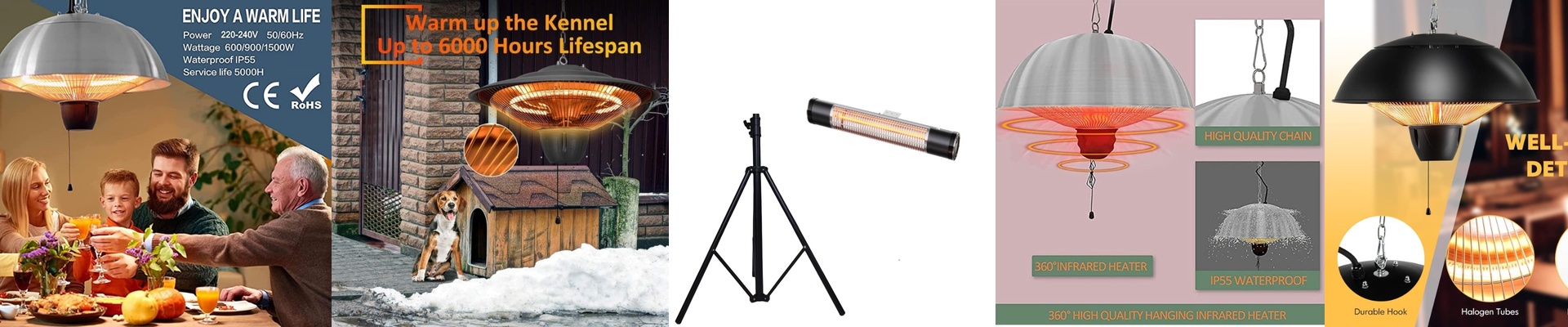
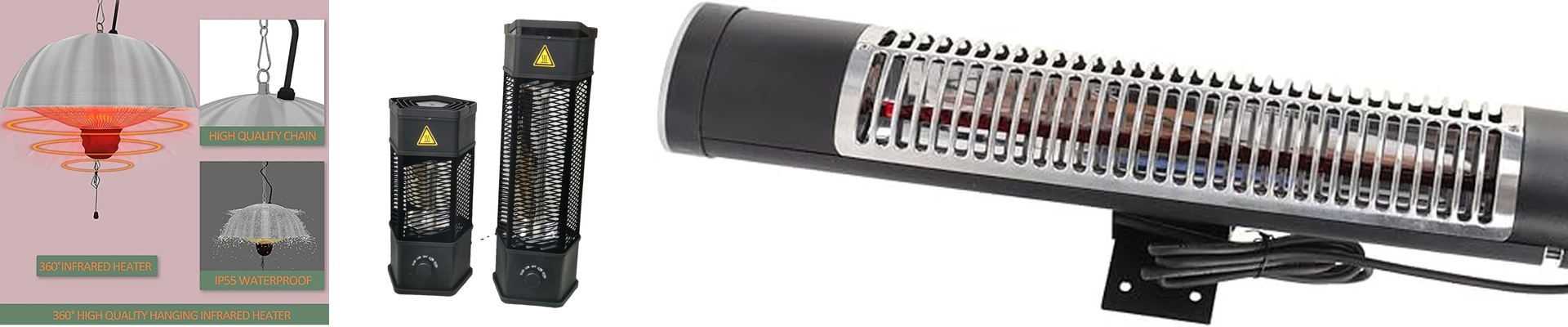
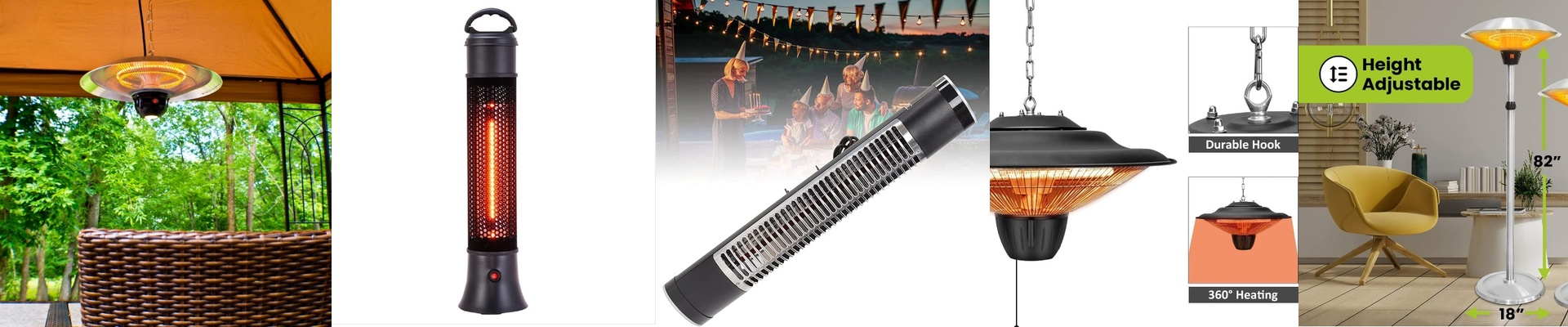
Ever had a piece of glassware just… snap? You did everything right, but a flask or a custom vessel still cracked during annealing. It’s frustrating. Usually, it happens because the glass didn’t cool down evenly, leaving internal stresses that eventually rip the piece apart. The real culprit is often “dead zones.” If you’re using a standard convection oven, the hot air has to actually touch the glass to work. But with complex shapes, the geometry of the piece blocks the airflow. You end up with cold spots in the nooks and crannies where the air can’t reach. Enter IR lamps. Instead of relying on air, we use shortwave infrared radiation. Think of it like sunlight hitting your skin—it doesn’t need a breeze to feel warm. IR travels in a straight line and sinks right into the glass. By setting up a multi-angle array of lamps, we can basically “shoot” heat into those hidden curves that air just ignores. It keeps the whole piece above its strain point, no matter how weird the shape is. Now, you can’t just throw any bulb in there. We usually go with quartz halogen tubes. Quartz is the way to go because it doesn’t warp under extreme heat, and the halogen cycle keeps the filament from burning out too quickly. But here is the tricky part: you have to match the wattage to the mass of the glass. If you go too high, you’ll ramp up the heat fast—which sounds great—but you risk creating “hot spots.” If one area gets too toasted while another is still cool, you’ve just created the exact same stress you were trying to fix. It’s a balancing act. The reality check. IR heating is fast. It’s precise. But it isn’t magic. Since it’s line-of-sight, your placement has to be spot on. If a lamp is off by just a few degrees, you’re back to square one with a cold spot. Then there’s the power side of things. If you’re stuffing a bunch of high-wattage lamps into one kiln, your electrical panel is going to feel it. You’ve got to make sure your wiring can handle the load, or you’ll be tripping breakers right in the middle of a cycle. And please, don’t forget the shielding. Nobody wants an outer kiln shell that’s hot enough to burn an operator’s hand.