

Why Fast-Response IR Lamps are the Secret to Continuous Glass Annealing
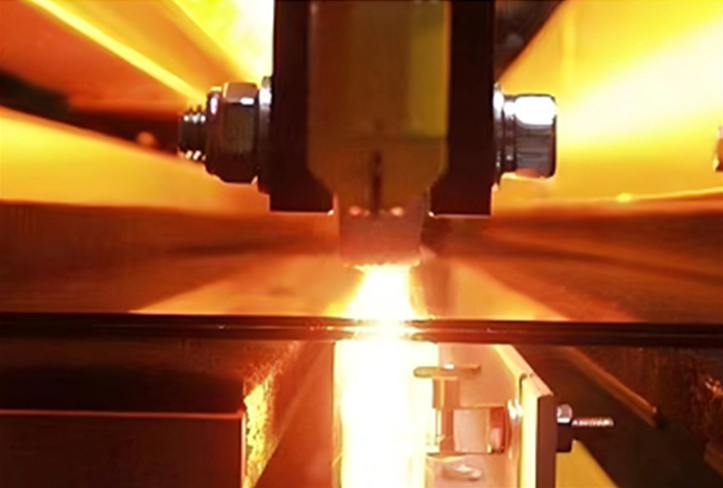
If you’ve ever worked with bent glass, you know the nightmare of a piece spontaneously shattering. It usually happens because the glass cooled too fast or unevenly, leaving internal stresses trapped inside. To stop that from happening, you need a way to anneal the glass on the fly. That’s where shortwave infrared (IR) lamps come in. The magic of a fast response Here is the thing about old-school convection ovens: they heat the air. It’s slow. But IR lamps? They shoot energy directly into the glass surface. We use halogen-filled quartz tubes because they hit their peak temperature in a matter of seconds. It’s almost instant. This means you can keep a tight grip on your thermal profile even while the glass is sliding right through the line. You aren’t stuck waiting for a giant, heavy chamber to warm up. Packing a punch in a small space To get annealing to work in a continuous flow, you need a lot of heat in a very small area. High-wattage IR lamps do exactly that. They concentrate a massive amount of energy into a tiny footprint. This is great because you can actually shrink your annealing tunnel without messing up the temperature gradient. Plus, you can tweak the power supply on the fly. If you’re switching to a thicker piece of glass or a tighter bend, you just dial it in. Simple. The reality check Now, this isn’t some “set it and forget it” miracle. High-intensity heat is brutal on equipment. The sheer amount of energy coming off these lamps can wreck your reflectors and housing if you aren’t careful. If your cooling fans aren’t up to the task, your sockets will just fry. And you have to be precise. If a lamp is off by just a few millimeters, you’ll get cold spots. Those spots lead to uneven stress, and we’re right back to the breaking problem. But once you get it dialed in? You stop thinking in “batches” and start thinking in “flow.” The cooling phase stops being a bottleneck, and the whole line just keeps moving.