Getting Your Glass Annealing Right (Without the Heartbreak)
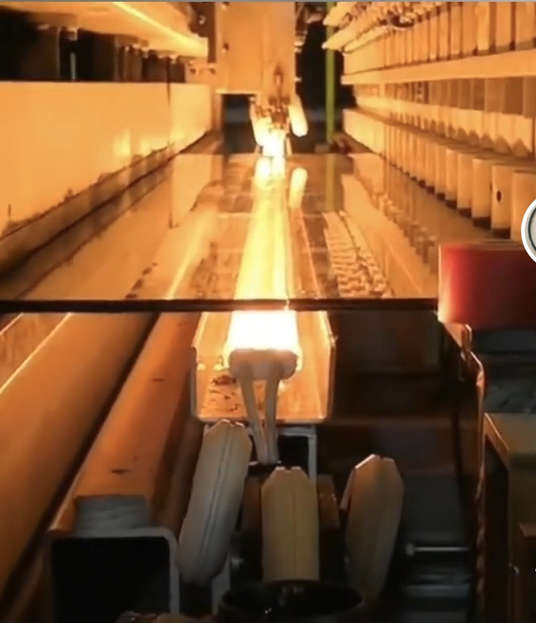
If you’ve ever spent hours blowing a piece of lab glassware only to have it shatter during a vacuum test, you know that sinking feeling. It’s gut-wrenching. Usually, the culprit isn’t the glass itself—it’s the annealing cycle. When glass cools unevenly, internal stress builds up. It’s like a hidden tension living inside the walls of your vessel. To fix this, we use short-wave infrared elements, but the gear has to be incredibly precise.
Why we obsess over 0.1°C
There’s a very specific window—the annealing point—where the glass can relax its stress without losing its shape. If your heater swings by even a few degrees, you’re playing with fire. You risk thermal shock or, worse, a piece that looks fine but is structurally compromised. That’s why we aim for 0.1°C stability. It keeps the glass from hitting the strain point too fast. Think about it: if the temperature spikes, the outer skin freezes while the core is still molten. That gap creates a permanent tension. Using a precision IR source means the heat actually gets through the wall thickness evenly, rather than just scorching the surface.
The gear and the trade-offs
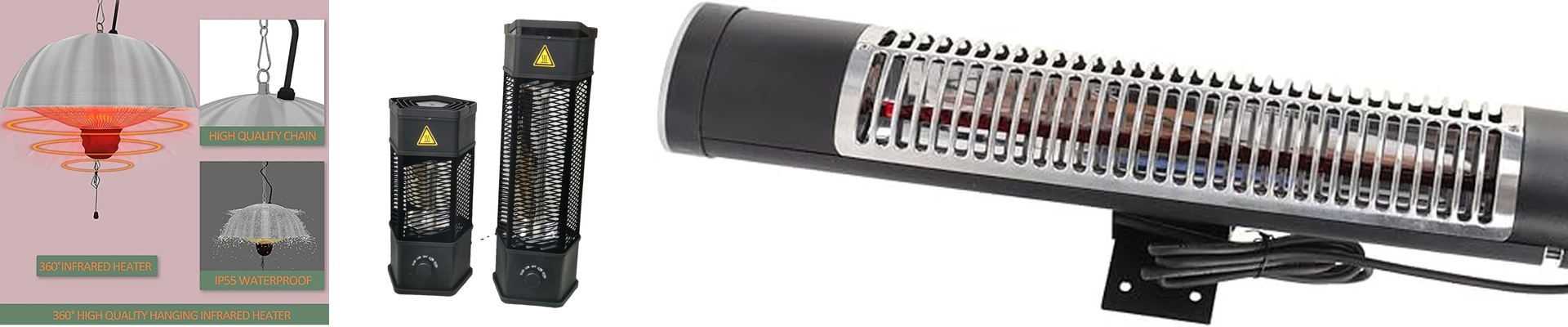
You can’t just toss a basic heater into a kiln and hope for the best. We use high-density quartz IR lamps, PID controllers, and thermocouples that react instantly. The best part? The IR radiation hits the glass directly. You aren’t wasting time heating up all the air in the oven, which makes your cycles move a lot faster. But here’s the catch: you have to manage the heat. A high-wattage IR array puts out an insane amount of energy. If your housing isn’t vented properly, the heat soak will mess with your sensors. Suddenly, that 0.1°C precision vanishes. You need a cooling system that can keep up with the lamps, or your electronics are going to fry.
Stopping the “Invisible” Cracks
The goal is to kill those invisible cracks—the ones that don’t show up until the glass is actually in use. By holding the temperature steady at that sweet spot and ramping down slowly, the molecular structure finally settles. It takes patience. It’s a slow process. But it’s the only way to be sure your glass won’t just pop when the pressure hits.