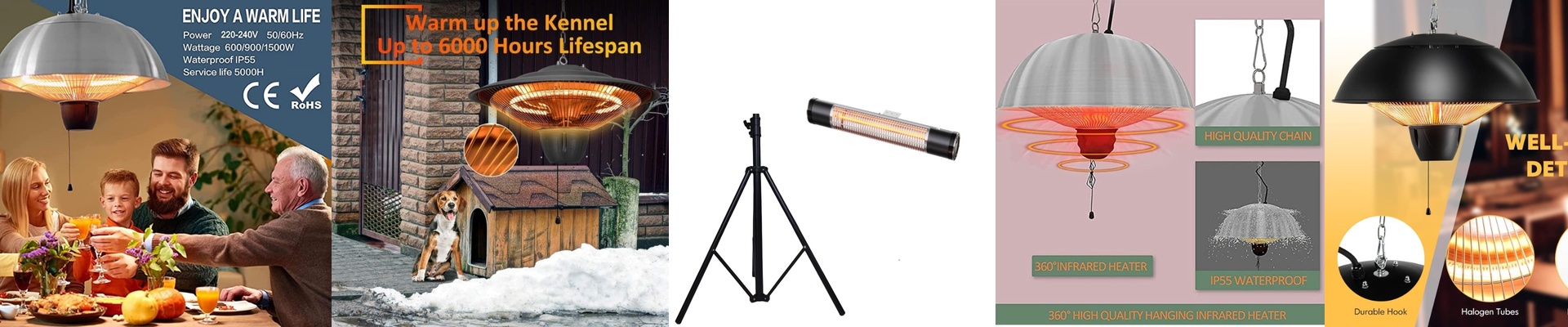
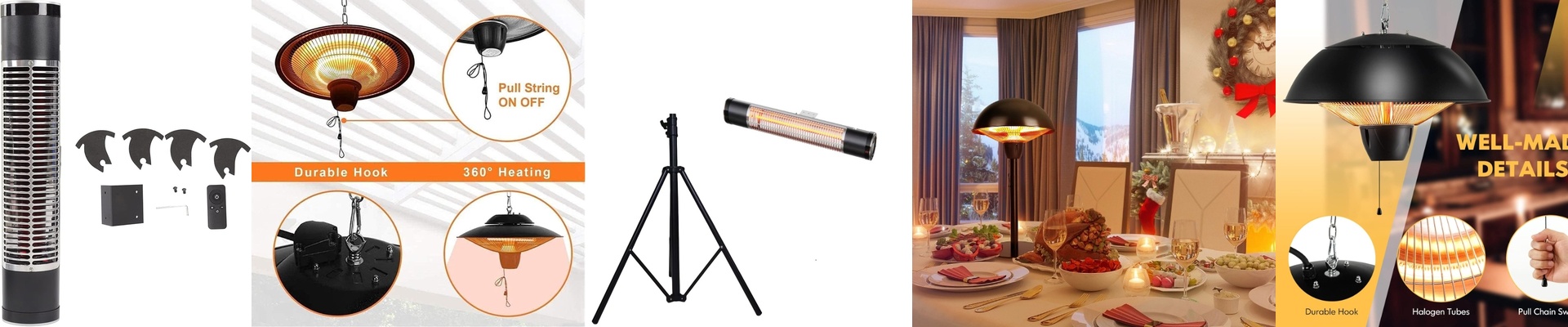
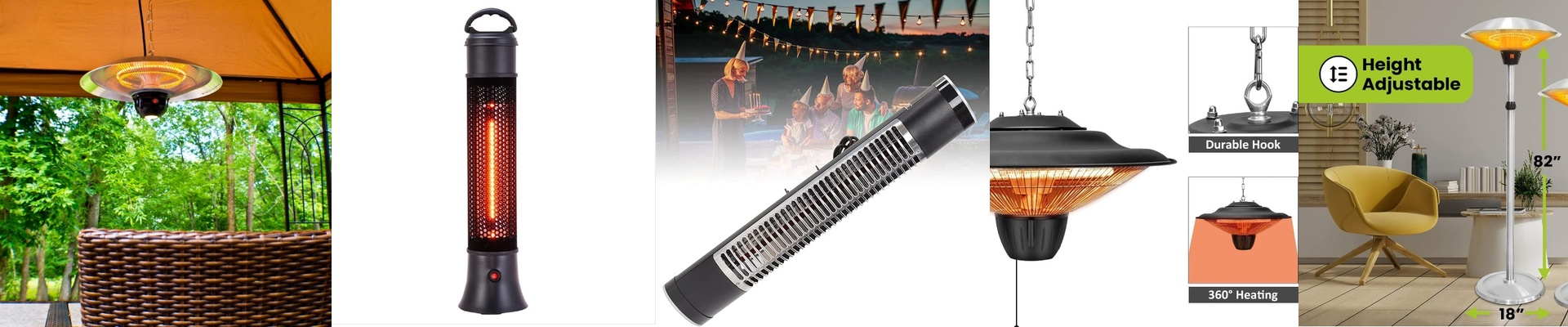
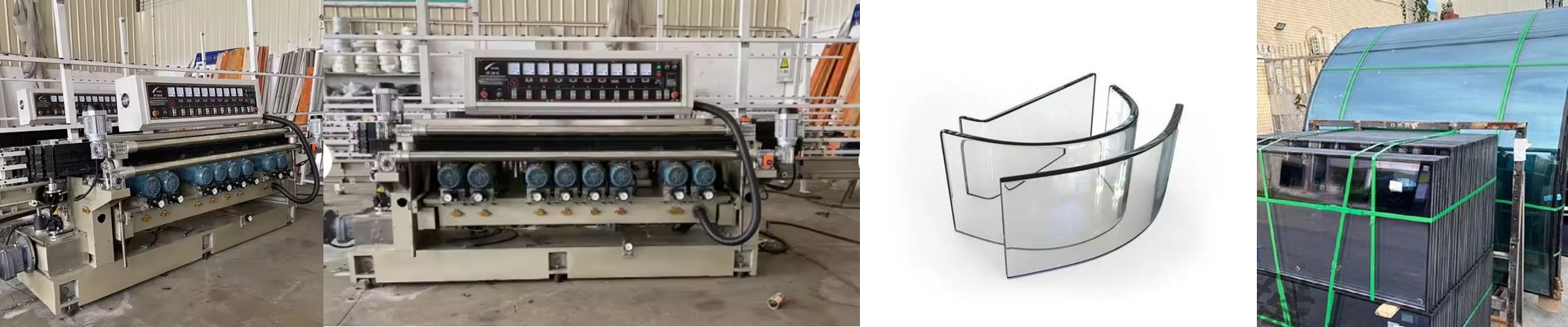
On the annealing line, the lehr lamp isn’t just there to raise temperature. It sets the gradient that either strips out thermal stress or leaves it locked in. If the heat isn’t even across the width, you’ll see optical distortion, edge warp, and fractures that show up after cutting or handling. That’s why uniform heat distribution is the first spec we anchor the design to.
What matters under the hood
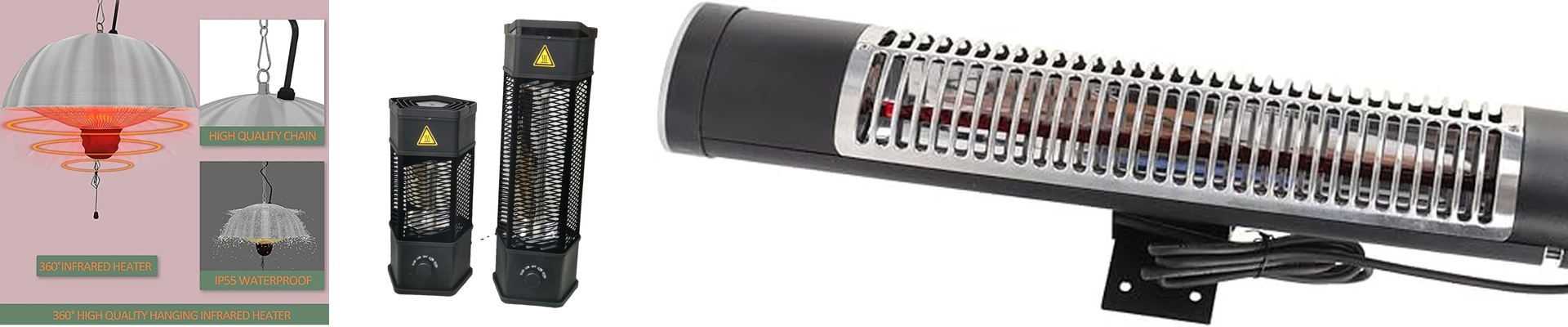
We spec the lehr lamp with a short-wave quartz infrared emitter—quick response, tight control over the thermal profile. The emitters are laid out on a mapped pattern so the heat flux across the glass stays flat, keeping edge-to-center variance within a narrow band. The payoff is predictable annealing, no hot bands or cold spots that mess with viscosity and stress relief. The lamp body is low-thermal-mass, so setpoint changes happen fast. Reflector geometry keeps the energy on the glass, not bleeding onto the fixtures. Output stays stable over long runs, and it plays clean with standard lehr control interfaces.
Why it holds up in real work
Whether you’re annealing after forming, pre-heating for bending, or conditioning before lamination, the lehr lamp delivers consistent soak profiles at line speed. You cut rejects from stress fractures and optical defects, and you stop chasing dimensional drift in rework. Energy use drops because the emitters heat on demand and the reflector system keeps waste down. Fast response shortens changeover when you switch thicknesses or glass types. And the uniform thermal field prevents scrap that only shows up later, after downstream handling.
What to keep in mind
Installation is straightforward, but give the lamp proper clearance to the glass and keep the voltage stable—otherwise output drifts. Reflections off nearby metal can create localized hot spots, so align the reflector and shield adjacent components. Plan on routine emitter inspection and replacement. Even with long service life, the unit performs best when you track emitter condition. Match lamp power and spectral output to your glass emissivity and line speed, and the annealing curve stays repeatable shift after shift.