
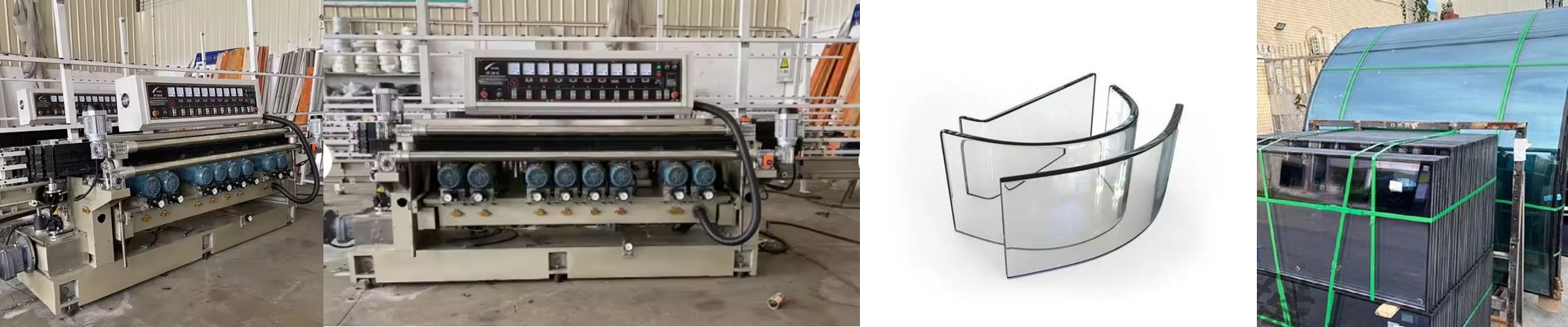
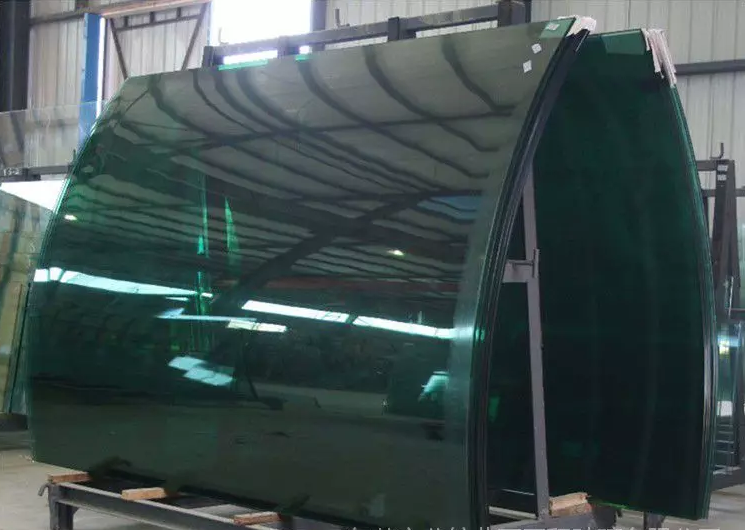
Cutting glass without it shattering into a million pieces is all about a delicate dance between heat and cold. But here is the problem: we see way too many shops just swap out heating lamps because a part number matches, without ever looking at how the heat is actually hitting the glass. That’s why we aren’t interested in just shipping you a box of parts. We’d rather get on your floor and figure out what’s actually happening. The struggle with thermal stress Glass is picky. It hates uneven heat. To get that perfect, clean break, you need the temperature to shift just right. If your IR lamps are old or just sitting in the wrong spot, you get “cold spots.” Those spots create a kind of internal tension. Instead of a clean cut, the glass just decides to crack wherever it wants. We use thermal imaging to map this out so you can actually see where the heat is missing. Getting the heat load right This is where most people trip up. They try to match wattage to glass thickness, but it’s not that simple. Sure, a high-wattage quartz lamp has the muscle to handle thick plates. But if the focal point is off? You’ll scorch the surface before the core even gets warm. We dig into your voltage drop and lamp alignment to make sure the energy is actually landing where it needs to. Speed vs. Stability It’s tempting to crank up the power to get more parts out the door. But there’s a catch. Higher heat density means a much higher risk of thermal shock. If you want faster cycles, your cooling system has to be ready to rip that heat away instantly. We don’t just sell you a more powerful lamp and wish you luck; we check if your cooling setup can actually handle the extra load. Why we insist on site visits A datasheet doesn’t tell the whole story. It won’t tell us if your reflectors are pitted or if your wiring is causing a voltage sag. We come to the floor, measure the real surface temps, and tell you the truth. Maybe you need a different wavelength. Maybe you just need a better mounting bracket. Either way, it keeps you from wasting money on parts that won’t actually fix the problem.