Mastering Digital Print Curing on Glass: How Partitioned IR Control Handles the Cure Curve on Long Lines
Ever run a glass coating line that stretches on and on? The truth is, the cure isn’t one single setting. It’s more like a well-choreographed dance—ramp up, hold steady, then cool down. That’s exactly why we built our infrared heating systems with zoned, temperature-controlled power. It gives you precise command over the whole sequence, one section at a time.
A closer look: power, voltage, and the shape of things
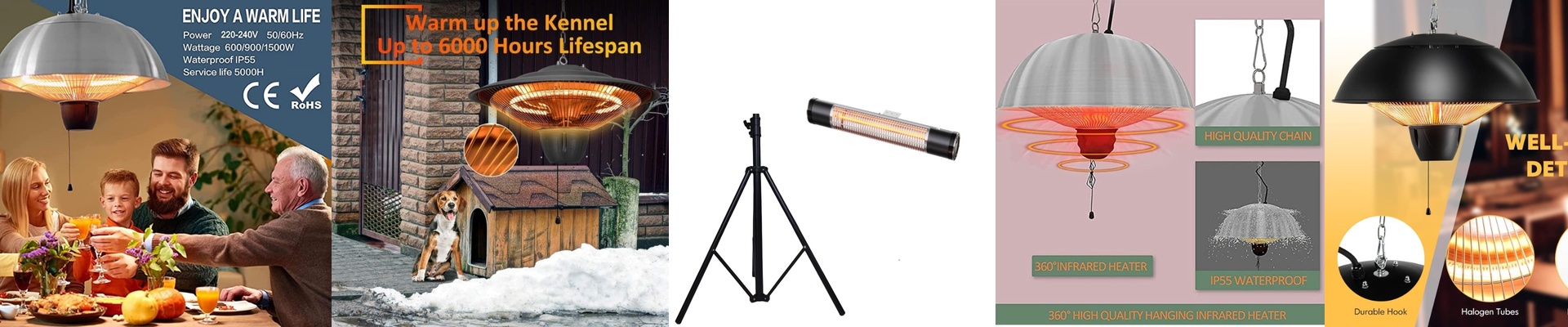
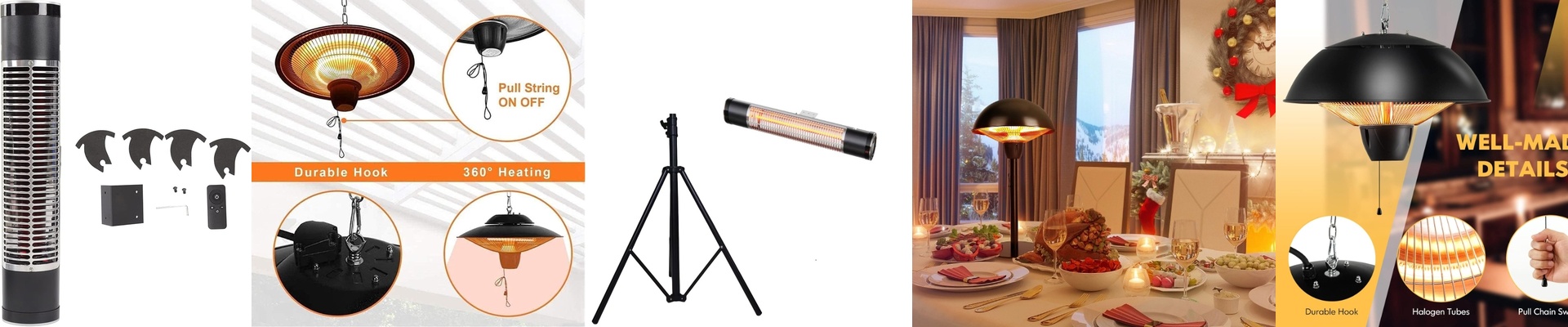
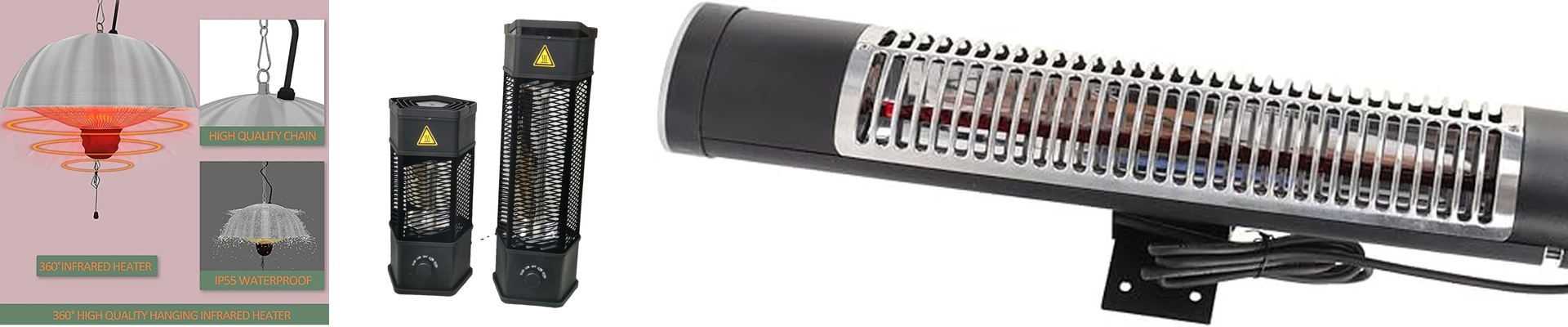
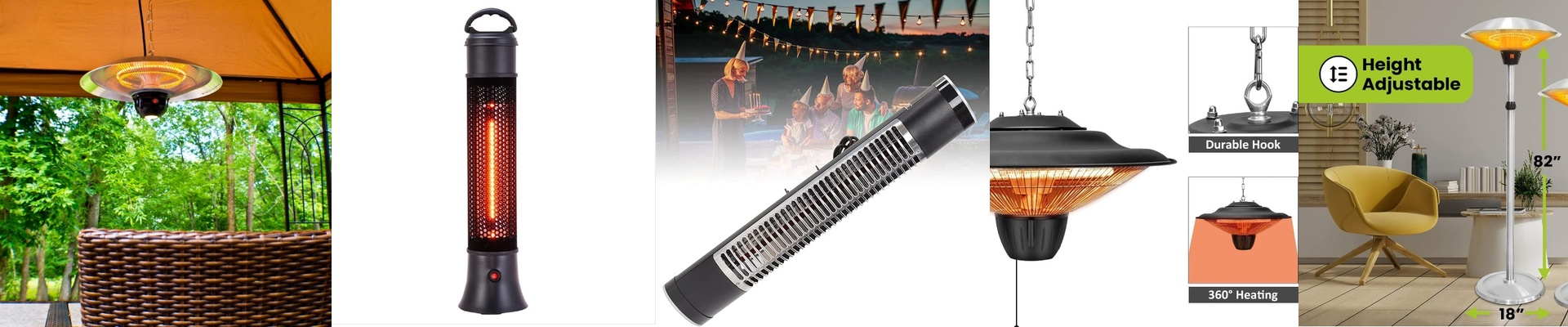
On a long line, heat has to show up exactly where you need it, right when you need it. Our infrared lamps are built to deliver consistent heat across the entire path the glass travels. You tell us how long your line is, and we match the lamp array length and number of zones to that curing distance. We lean on high-voltage, high-wattage lamps—think 400V and 2500W—because the goal is concentrated energy, fast. That kind of punch gets you to the peak temperature needed for quick-curing inks without heating up the whole line. But here’s the catch: that much power density means you need a solid cooling plan. Make sure your control cabinet airflow and heat extraction are built for the long haul.
Materials and design: keeping it tough and practical
We run halogen infrared inside quartz tubes because speed matters. Quartz moves IR efficiently and can take the shock of zones cycling on and off. The halogen element keeps output stable and holds up over time, even with frequent power cycles. And the connectors? We chose what works in the real world. R7s and SK15 terminals are made for industrial heat and vibration. They give you solid contact, keep wiring clean, and make lamp swaps quick during a changeover. In a busy shop, that translates to less downtime and fewer headaches.
Why it matters: precise curing that feels effortless
Digital printing on glass demands tight temperature control. If things get off, you can end up with ink bleeding, poor adhesion, or stress in the glass. With partitioned control, you can shape the cure curve to match the chemistry: a fast ramp in Zone 1, a hold in Zone 2, and a controlled cool-down in Zone 3. You get results you can count on across the full length of the line, even when your line speed changes. The system slips right into existing setups, and it scales from short prototype runs to full production. The payoff is curing that stays steady, fewer rejects, and a footprint that fits your conveyor without a fight.