The Tug-of-War Between Sharp Prints and Strong Glass
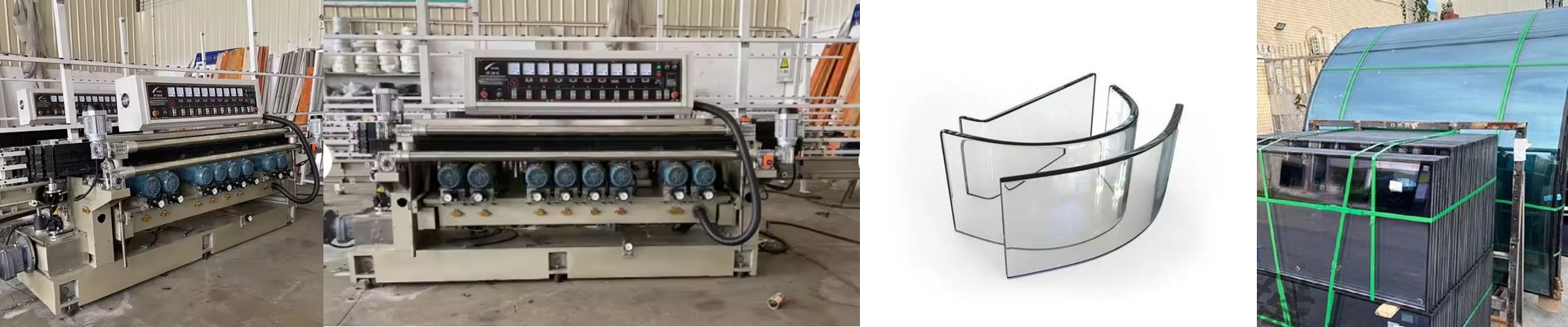
If you’ve ever run an integrated process for screen-printed glass, you know the headache. You’re basically fighting a war between two different needs. You need enough heat to temper the glass so it doesn’t shatter, but if you go too far, you’ll fry your ink. It’s a tightrope walk. To keep things from going south, we rely on quartz glass sleeves for our IR lamps. They’re the secret to managing that heat without ruining the art.
Getting the heat right
The goal is simple: hit the glass with enough energy to reach the softening point, but stop before the ink starts to panic. If the lamp is too close or the wattage is cranked too high, the ink literally boils. You end up with bubbles or that annoying “ghosting” effect where the pattern looks blurry. Not a great look. That’s why we use quartz sleeves. They protect the heating element and make sure the IR radiation spreads out evenly. Plus, quartz can take the heat and doesn’t warp or crack when you’re clicking the power up and down to find that sweet spot.
Dealing with the stress
Tempering is all about the shock—rapid heat followed by a fast quench. Your IR lamps have to ramp up fast. But here’s the catch: if the heat hits the glass unevenly, you get internal stress. We spend a lot of time making sure the “footprints” of the lamps overlap. If you leave a cold spot, you’re asking for trouble. And keep a close eye on the gap between the quartz sleeve and the glass. Seriously. A tiny shift—maybe 10mm—can swing the surface temperature by dozens of degrees. It’s a delicate balance. Too much heat kills the print. Too little? The glass stays fragile and won’t temper.
The real-world trade-offs
Now, you might think, “Why not just use high-wattage lamps to speed up production?” You can, but it puts a massive load on your electrical panels. And you can’t forget the cooling. If your fans aren’t up to the task, heat builds up around the lamp housings. When those housings overheat, your quartz sleeves will burn out way faster than they should. It’s all about the balance. Get the airflow and the distance right, and everything just clicks.