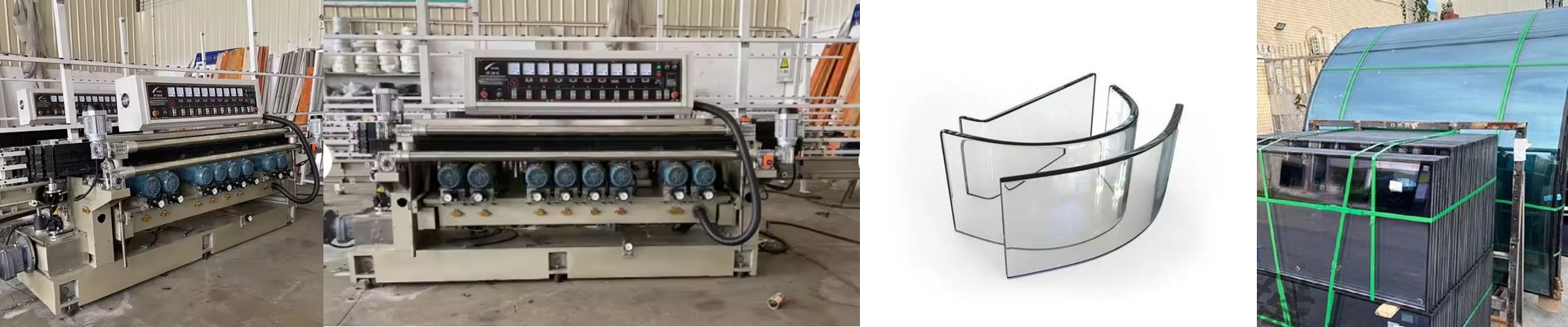

On the line, glass doesn’t wait for anything. If the heating profile starts to drift during bending, tempering, coating drying, lamination, or insulating glass sealing, you pay for it in scrap and restarts. A high-temperature glass molding lamp isn’t just a heat source—it’s the control knob on the whole thermal cycle. What matters, technically We build these lamps around short-wave quartz emitters because they respond fast and keep thermal control tight. Output density is matched to the workpiece and the process—typically 3–8 kW/m², configurable by zone—so you hit setpoint quickly without overshoot. The quartz envelope runs hot and clean, which cuts down convection and keeps the heat where it needs to be: on the glass surface. Better temperature uniformity across the target area reduces thermal stress, and the narrow spectral band couples efficiently into glass and coatings, so you get more useful energy per cycle. Why it works where it matters In glass bending, the lamp puts repeatable heat right where the mold contacts the glass. That cuts the time to reach flow temperature and stabilizes shape repeatability. For tempering, the ramp-up has to be fast and even. These lamps deliver the rapid, controlled heating that supports consistent quenching and the compressive stress you’re after. Coating drying and EVA/SGP/PVB lamination are all about the profile. Too slow, and you trap solvents or bubbles. Too fast, and you skin over. With stable zone control, you can shorten dwell time while still protecting optical clarity and adhesion. On insulating glass lines, the lamp speeds primary seal curing without overheating the desiccant—so you don’t compromise long-term seal integrity. What you need to know on the install and in daily use These are designed as drop-in modules for standard frames, but alignment and clearance are not optional. The emitter face has to be parallel to the glass, and it has to stay at the designed working distance—even a small misalignment can give you a hot streak. Expect shorter lamp life when you run sustained temperatures above 900°C. Plan replacement windows around your maintenance downtime so it doesn’t bite you mid-run. When you’re laying out the install, double-check power, coolant, and connector specs against your machine interface. Get that wrong, and the best lamp in the world still won’t behave.