


Why Most Infrared Heaters Die (And How We Fixed It)
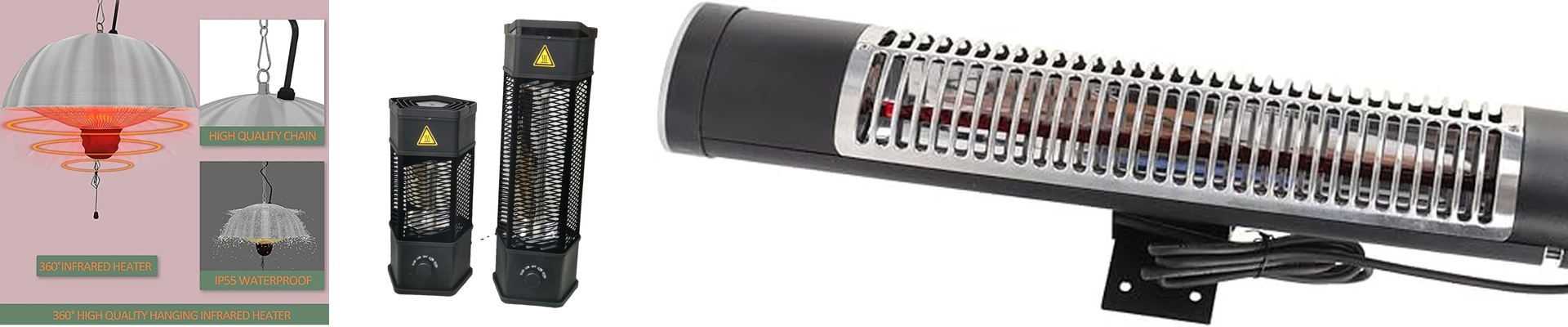
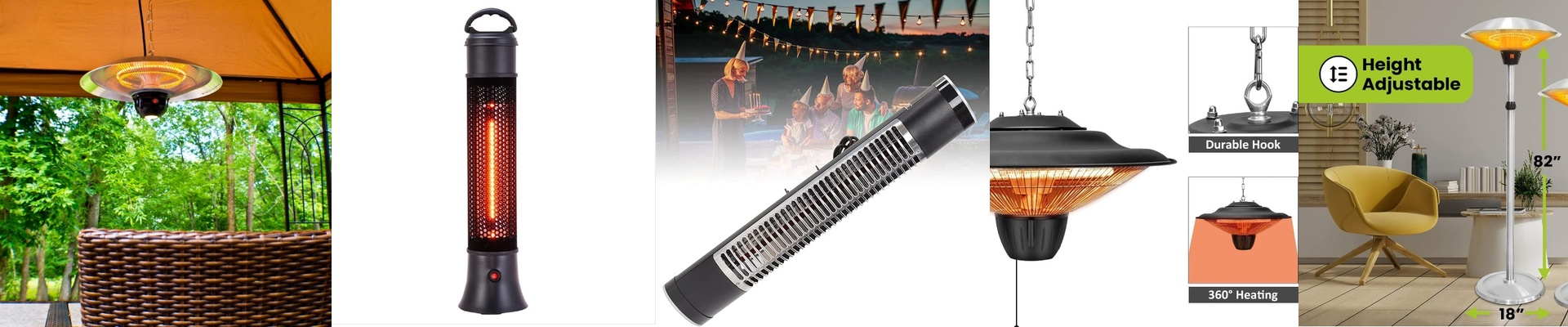
Here is a little secret about infrared heaters: it’s rarely the filament that gives out first. Usually, it’s the world around the heater that kills it. In a busy shop, you’ve got moisture and dust floating everywhere. That stuff finds its way inside the housing, causes a short, or just eats away at the metal. It’s frustrating. You buy a piece of gear, and it dies because of a little mist. That’s exactly why we went with an IPX4 rating for our latest line.
The Deal with IPX4
If you aren’t familiar with the jargon, IPX4 basically means the unit can handle water splashes from any angle without breaking a sweat. We didn’t just throw a cover on it. We sealed the electrical junctions and used gaskets that keep the liquid out but still let the unit breathe. If you’re working on a floor with coolant mist or doing regular wash-downs, this is a lifesaver. Think about it: water hits a standard heater, creates a bridge across the terminals, andboom. Tripped breaker. Dead heater. Total headache.
Dealing with the Fog
Then there’s the condensation problem. You know how your bathroom mirror fogs up after a shower? Same thing happens here. When the heater clicks off and the temperature drops, moisture beads up on the lens or the reflector. This “fog” is a nightmare because it acts like a wall. Instead of the heat hitting your workpiece, it bounces right back into the lamp. To compensate, the lamp has to work overtime—running at 110% just to do its basic job. We solved this with anti-fog coatings and better venting. It keeps the optics crystal clear, so the heat goes exactly where you want it without forcing the hardware to redline.
A Few Things to Keep in Mind
Now, there’s a trade-off. When you seal something up to keep water out, you lose some of that natural airflow. You can’t just cram an IPX4 heater into a tiny, tight box and expect it to stay cool. You’ve got to give it some breathing room. Just check your mounting clearances so the electronics don’t bake themselves. These units are built to take a beating in wet environments. They’ll slide right into place where your old heaters were, as long as you double-check your power draw and the physical footprint. One last tip:**Watch your gaskets during install.**If a gasket is loose or pinched, that fancy IPX4 rating doesn’t mean a thing. Get the seal tight, and you’re good to go.