Getting Silk-Screened Glass Right: The Tug-of-War Between Looks and Strength
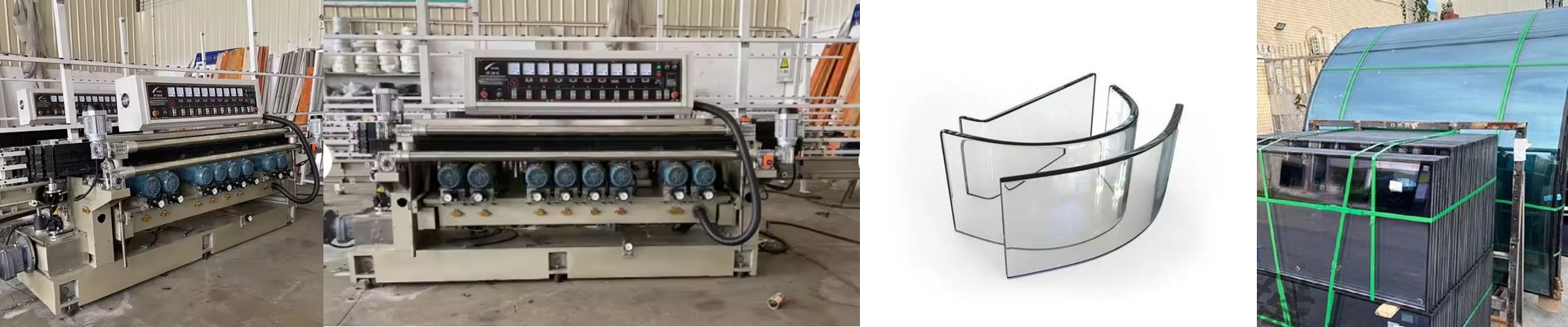
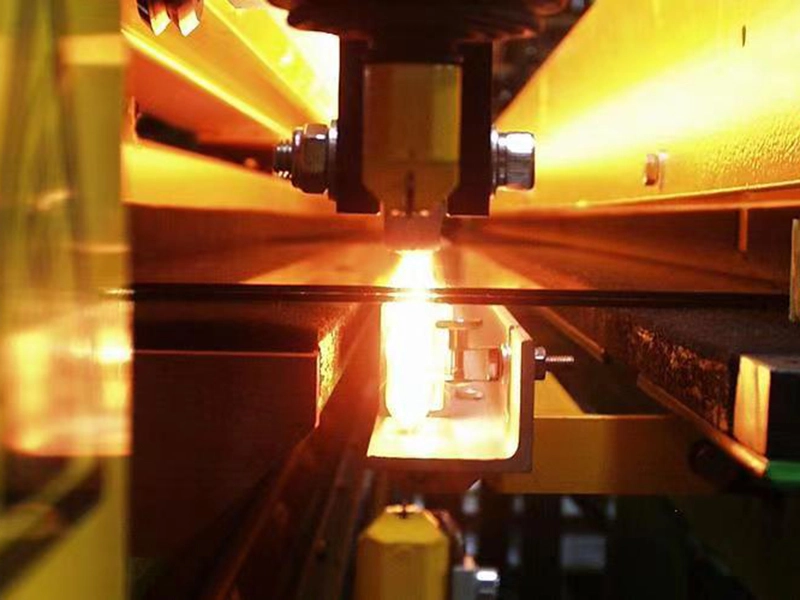
If you’ve ever run silk-screened glass through a tempering line, you know the headache. It’s a constant balancing act. You need enough heat to make the ink stick, but if you push too hard, you scorch the design or—even worse—crack the glass. To stop that from happening, we lean on integrated infrared (IR) heating lamps. They’re basically the bridge that gets you from “ruined print” to “perfect finish.” The trick with the ink The goal is simple: get the ink to cure before the glass itself starts to soften. We use shortwave IR lamps because they hit the surface fast and hard. It lets us target the ink specifically. Timing is everything here. If you ramp up the heat too slowly, the ink smears. Too fast? You get those annoying “fish-eyes” or tiny bubbles. We spend a lot of time tweaking the wattage and where the lamps sit to make sure the heat is the same across the whole sheet. No hot spots, no cold zones. Dealing with the stress Here’s the thing about glass: it’s terrible at conducting heat. When you only heat up the printed parts, those areas expand while the rest of the glass stays put. That temperature gap is a recipe for disaster, often leading to the glass just snapping during the quench cycle. We get around this by heating in stages. First, a bank of lamps warms the glass up gently to close that gap. Then, a second bank hits it with a high-intensity burst to lock in the ink. It’s a much smoother ride for the material. The trade-offs you can’t ignore High-wattage arrays are great for speed, especially when you’ve got a massive backlog. But there’s a catch. The more heat you throw at the glass, the more you risk burning the organic pigments in your ink. You have to be obsessive about your conveyor speed and how high the lamps are set. And don’t forget the hardware. If your cooling fans aren’t up to the task, that IR heat will bake your machine frame. It’s a quick way to fry your components and end up with a costly repair bill. The secret sauce? Wire those lamps into a PID controller. Keeping the temperature within a tight $\pm 5^\circ\text{C}$ window is the only way to keep your patterns crisp without compromising the strength of the glass.