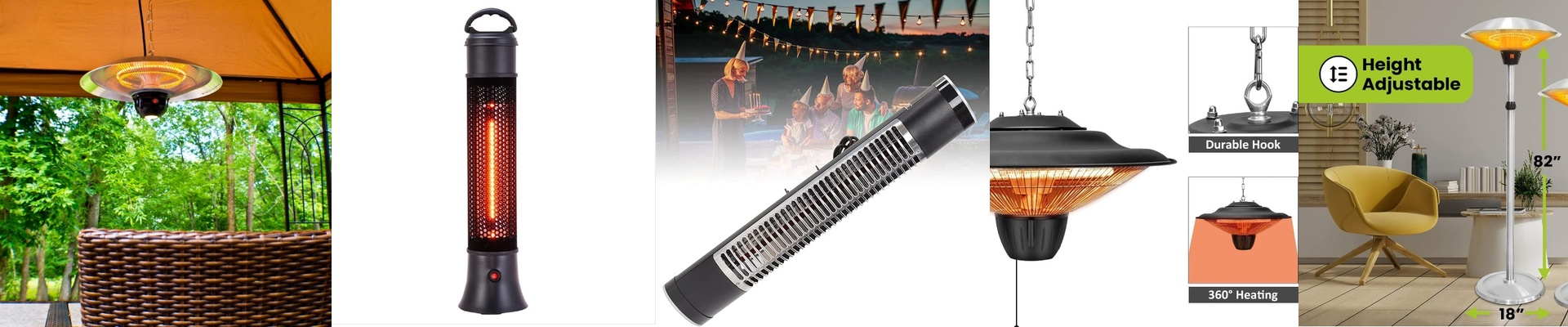

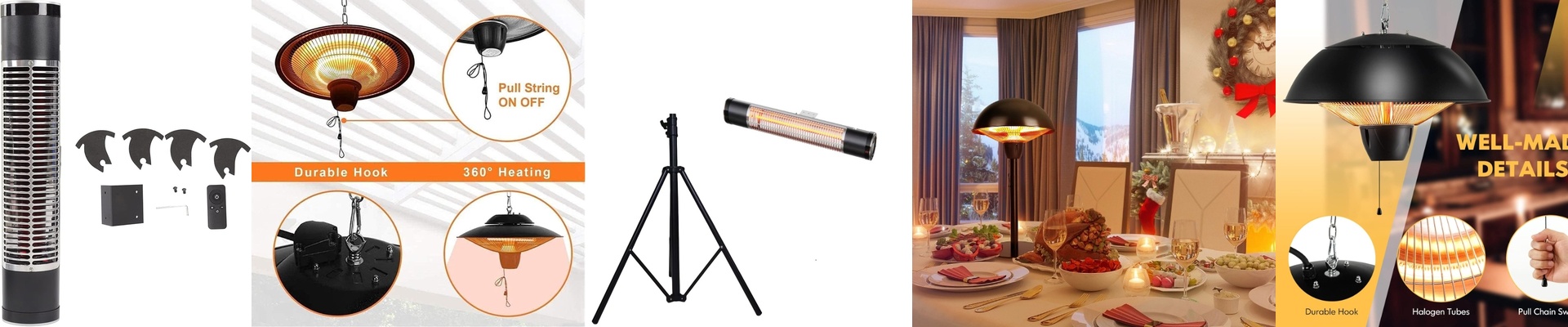
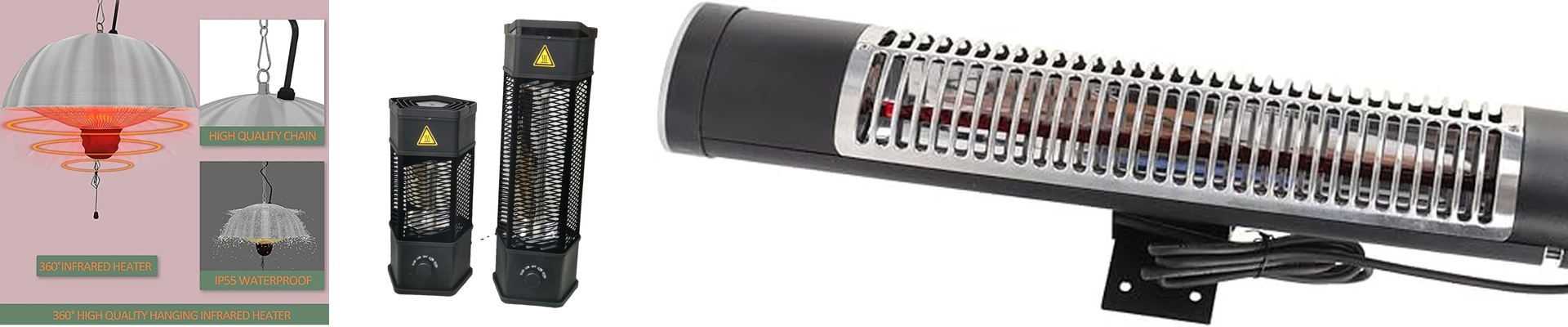
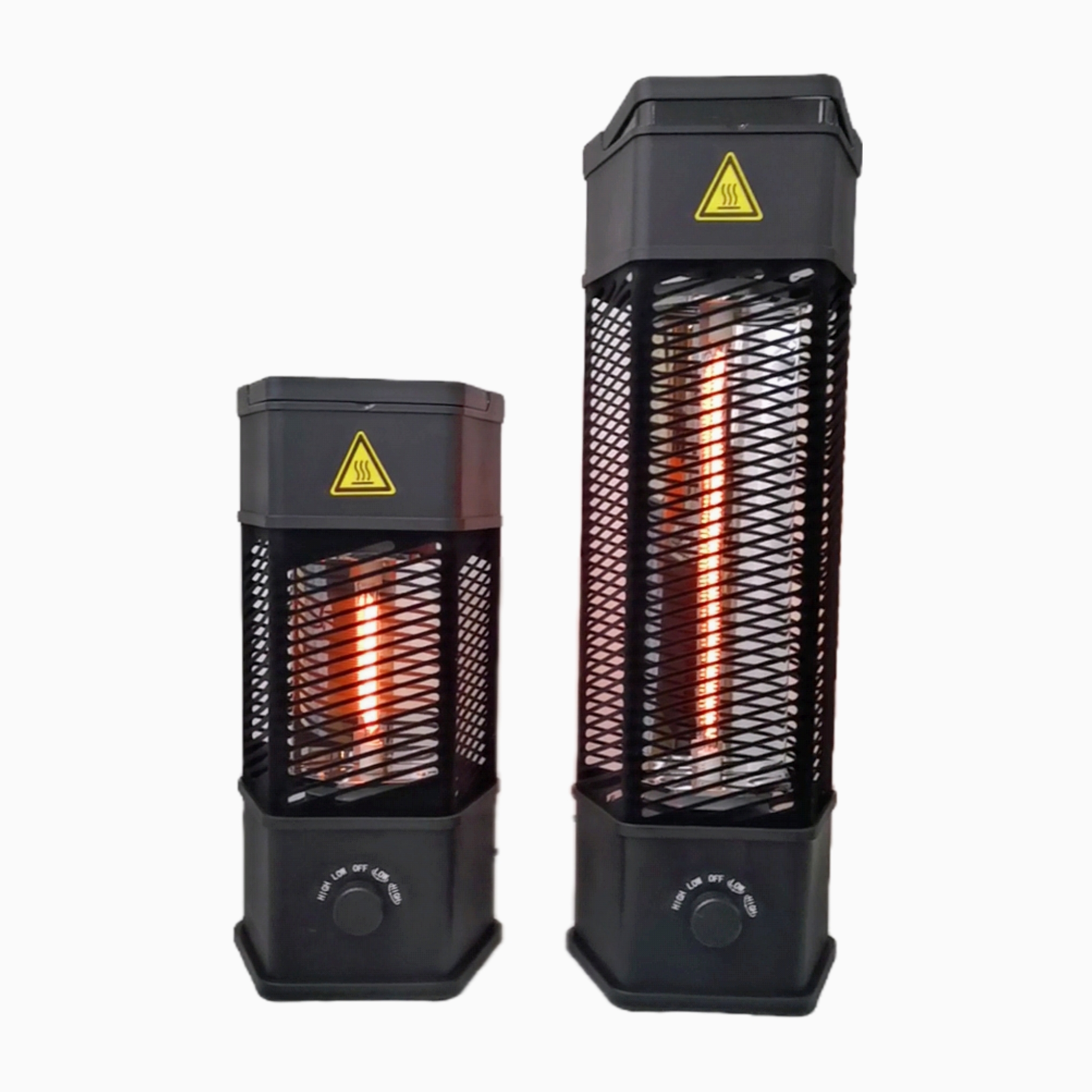
Why we put our bathroom heaters through a “steam torture test”
Let’s be honest: bathrooms are a nightmare for electronics. You’ve got thick steam, wild temperature swings, and water spraying everywhere. If you’re looking at an IP66-rated infrared heater, you might think a waterproof seal is enough. But here’s the thing—it isn’t. That’s why we put our units through “damp-heat aging tests.” Basically, we try to break them in the lab so they don’t break in your house.
The sneaky side of steam
An IP66 rating is great for stopping dust and high-pressure water jets. But water vapor? That’s a different story. Vapor is tiny. It slips through seals that liquid water can’t touch. Once that mist gets inside, it settles on the electrical terminals and the glass mounts. Then, something called “tracking” happens—basically, tiny electric paths form where they shouldn’t. And that’s how you end up with a short circuit or a blown fuse on a Tuesday morning when you’re just trying to wake up. We don’t just test these for a day and call it a win. We cycle them through brutal heat and humidity until something gives. We want to find the breaking point.
The push and pull of heat
Materials breathe. They expand when it’s hot and shrink when it’s cold. In a bathroom, this happens every single time you take a shower. We keep a close eye on the gaskets. If a seal shrinks by even a fraction of a millimeter, that IP66 protection is gone. Then there’s the wiring. Damp heat loves to rust and oxidize connections. When that happens, resistance goes up. More resistance means more heat at the terminal, which is a recipe for melted plastic or burnt-out wires. Not a great look.
The honest trade-off
Testing like this is a pain. It means we scrap more units during quality control. It slows down our production line. But it beats the alternative. I’d rather lose a few units in the factory than have you call me six months from now because your heater tripped the breaker. You get a heater that actually handles the steam. Just do me a favor: make sure your installation wiring is rated for the load. We’ve sealed the heater tight, but your junction box still needs to be built for a wet zone.