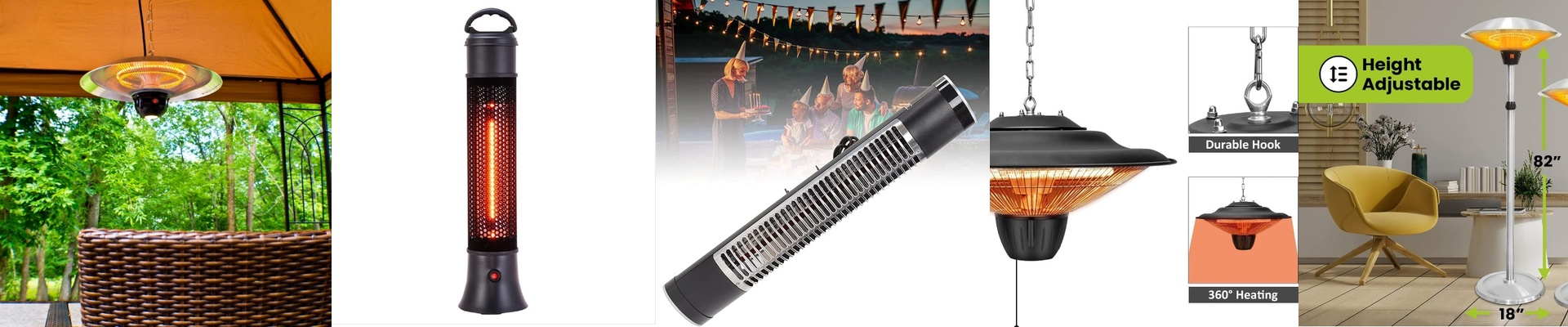
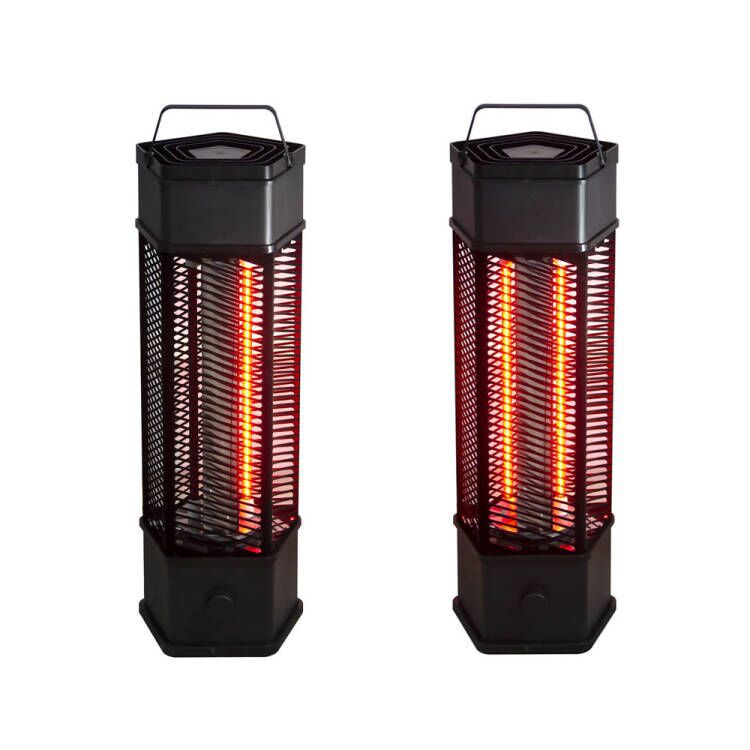
Keeping Your Shower Warm (Without the Danger)
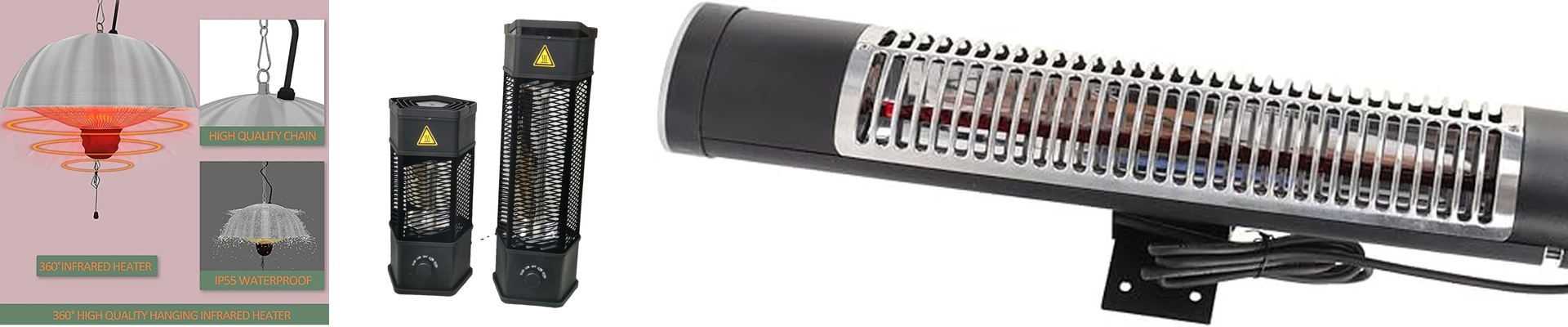
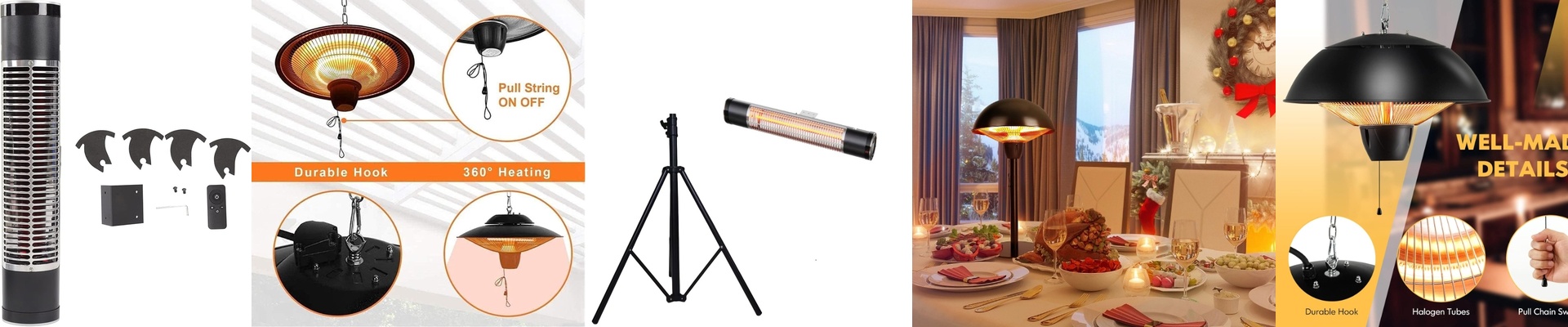
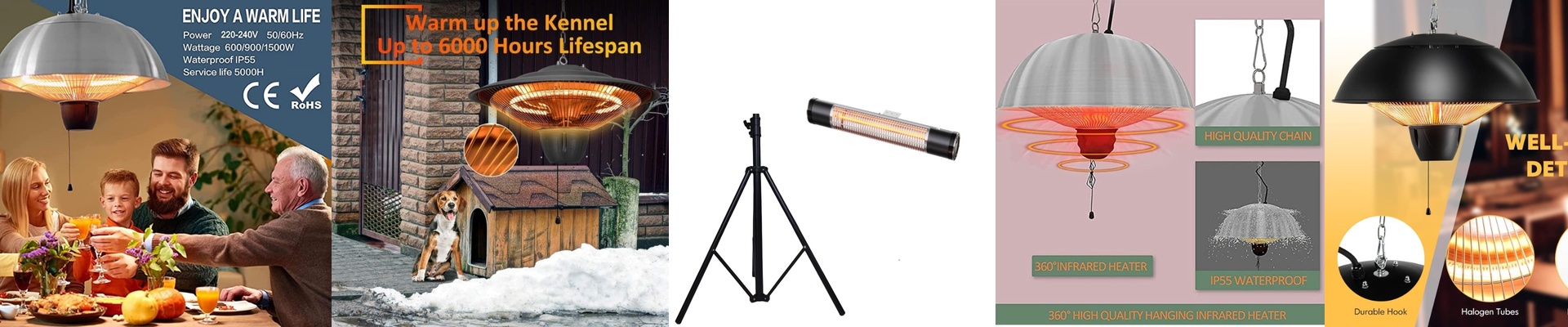
Putting infrared heat in a shower or a steamy bathroom isn’t just about getting rid of that morning chill. It’s actually a bit of a balancing act. You’re dealing with high heat and lots of water, which is usually a recipe for disaster. Standard heating elements just can’t handle it. That’s why we stick with IP65-rated housings and explosion-proof quartz.
Why the “Explosion-Proof” Part Matters
Think about this: you’ve got a lamp running at peak temperature, and suddenly, a cold drop of water hits the glass. In a normal quartz tube, that’s a one-way ticket to a crack. We call it thermal shock. We use explosion-proof quartz because it doesn’t panic when the temperature swings wildly. And if the worst happens and the tube does break? It’s designed to fragment safely or stay trapped inside a reinforced shell. You won’t have glass shards flying around while you’re trying to relax in the bath.
Keeping the Water Out
Then there’s the IP65 rating. In plain English? It means the unit is sealed tight against dust and water jets. We make sure the wiring and sockets are completely locked down. Water and high-wattage electricity are a terrible mix. If moisture sneaks in, your contacts corrode, things start arcing, and the whole thing burns out way faster than it should.
The Trade-Offs
Here is the honest part. These units are great because they give you instant, concentrated heat exactly where you want it. But, because we’ve wrapped the lamp in protective shielding and a heavy-duty housing, some of that infrared radiation gets blocked. You might notice it doesn’t feel quite as “sharp” as an open-air lamp. To fix that, you might just need to bump up the wattage or move the unit a little closer. One last thing—please, for the love of everything, wire these into a dedicated circuit with a GFCI breaker. The hardware is built for the moisture, but you still want that electrical fail-safe just in case.