


Stop Guessing with Your Glass Annealing
Annealing glass is all about the details. If your IR lamps are off by even 5%, you’re dealing with cold spots. And cold spots are a nightmare—they leave internal stress in the glass, which is just a fancy way of saying your bottles are going to shatter. It’s frustrating. You’ll have one pallet that sails through QC, and the next one is a total disaster.
Getting the Heat Right
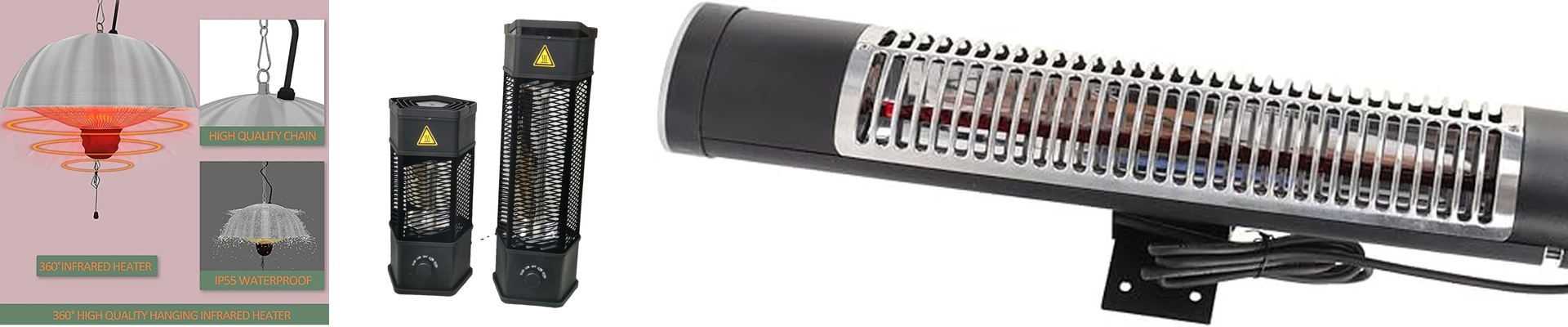
The trick is to stop settling for “close enough” with your infrared emitters. Most of the lamps you buy off the shelf have power swings all over the place. We do things differently. We spec our heaters to hit a very tight output range across the whole tube. That way, the glass actually hits the annealing point evenly. To keep your line moving fast, you need serious heat density. We use quartz envelopes and halogen-filled filaments to crank up the wattage without blowing out the ends of the lamp. When every single lamp in the furnace is putting out the same amount of power, the thermal profile stays flat. Your bottles stop acting differently just because of where they sat on the conveyor.
The Hardware Side of Things
We usually stick with R7s or SK15 connectors. Why? Because when a tube eventually pops—and they will—you want to be able to swap it out in seconds. They’re simple drop-in replacements. Now, if you’re working with thick-walled glass, you’ll probably want high-wattage lamps (2000W+). They get the job done, but there’s a catch. Pushing that much energy into a small space creates a ton of ambient heat. If your cooling fans aren’t up to the task, you’re looking at warped lamp holders or fried wiring.
Life on the Shop Floor
When your heat is consistent, you can finally stop chasing your tail with the temperature controllers. You know the drill: spending half your shift tweaking PID settings to make up for one “weak” lamp in the middle of the zone. With the right gear, you just set it once. You get a stable soak temperature, a cooling curve you can actually predict, and a lot less stress during batch production.