


Why 0.1°C Actually Matters in Glass Annealing
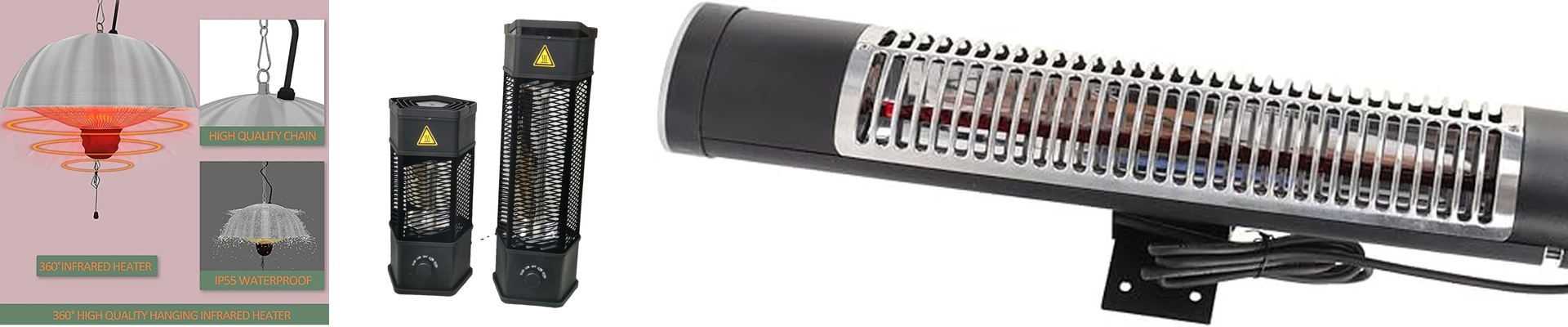
If you’ve ever had a piece of lab glassware shatter for no apparent reason, you know the frustration. Most of the time, it’s because of internal stress that never got sorted out. Here’s the deal: if your heater swings by just a few degrees, you’re playing a dangerous game. You risk stress fractures the moment that glass starts to cool. That’s why we use high-precision infrared quartz tubes. We keep things within a tight 0.1°C tolerance. It ensures the glass hits that sweet spot for annealing without accidentally melting or warping.
The struggle with “close enough”
Most heaters overshoot. They get too hot, then they overcorrect. In this world, a 2°C spike isn’t just a glitch—it creates a new thermal gradient that basically ruins the whole point of the process. To stop that from happening, we paired low-mass quartz envelopes with high-frequency PID controllers. It kills the thermal lag. Instead of waiting for slow air currents to move the heat around, the infrared radiation just punches right through the glass wall. It heats the material from the inside out.It’s fast. Precise. And it just works.
The trade-offs (because nothing is free)
We’re very picky about these tubes. They have to be incredibly clear. If the quartz isn’t pure, it absorbs the energy instead of letting the short-wave IR pass through. We use a high-watt density filament to keep the response times snappy, which is the only way we can actually hit that 0.1°C mark. But there is a catch. This kind of precision puts a massive load on your power supply. If your voltage jumps around, your precision vanishes. You’ll need a stabilized power source to keep that filament steady, or you’re just guessing.
Stop the cracking
Stress fractures happen when the outside of the glass freezes while the core is still molten. We call it the “skin effect,” and it’s a nightmare. By dialing in the ramp-down rate in tiny 0.1°C increments, we keep the entire vessel at the same temperature. It’s a slow burn. You’re essentially trading speed for a higher yield. Sure, you could rush the cooling process, but that’s a great way to end up with a pile of broken shards.