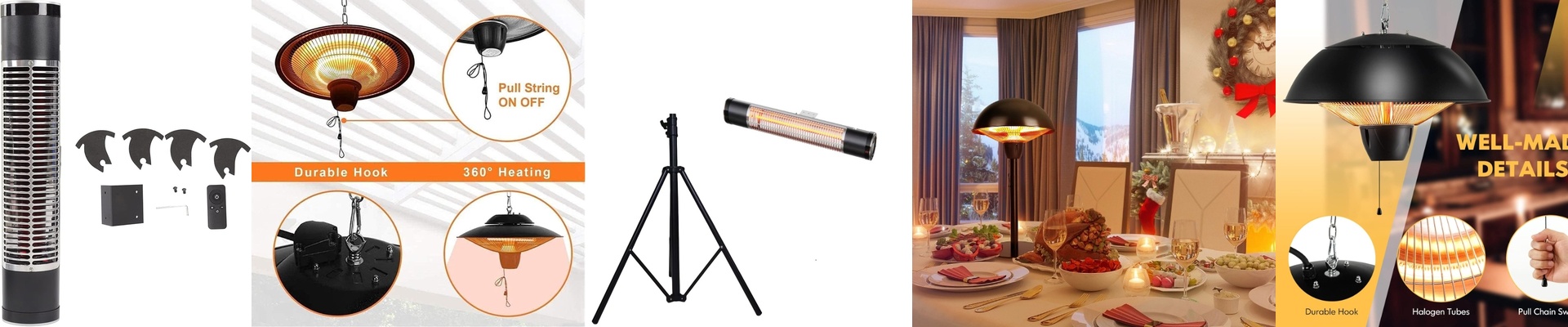
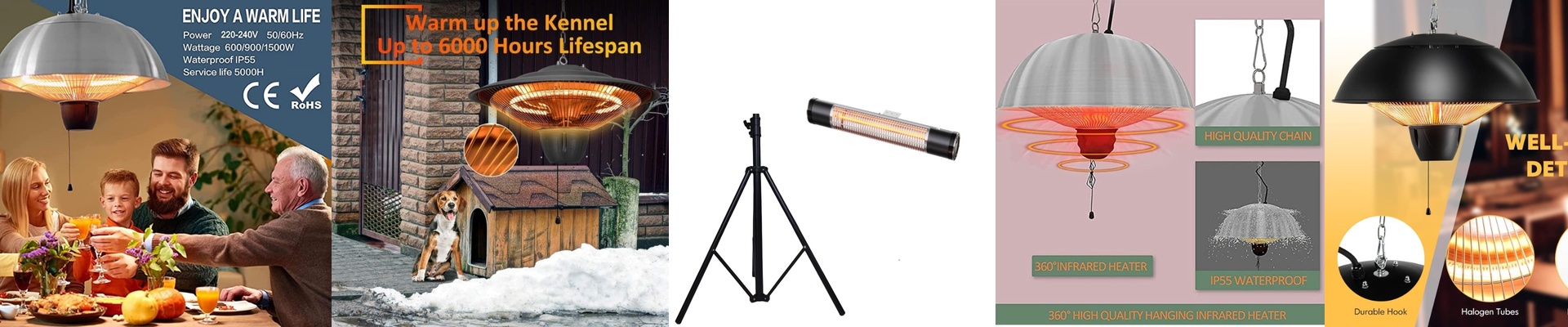
Why we’re ditching old bathroom heat lamps for IP55 Infrared
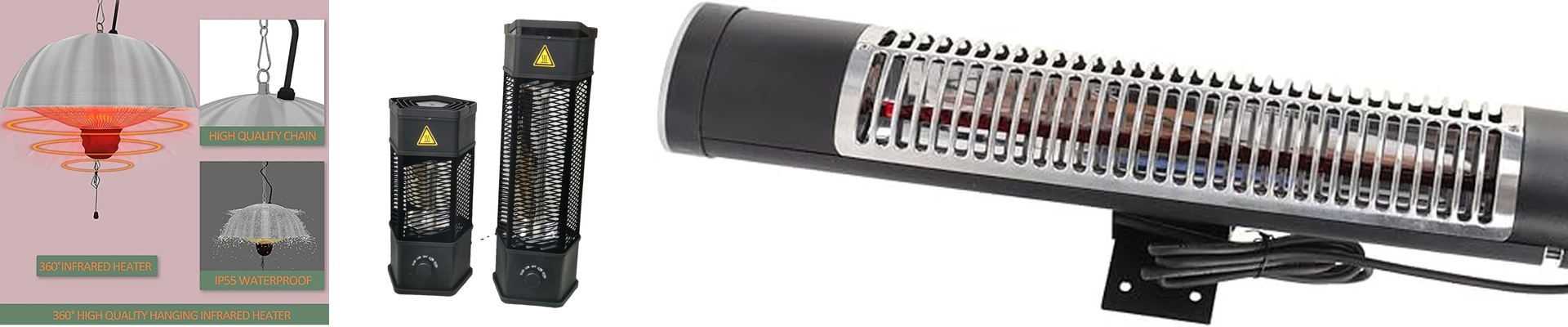
Let’s be honest: there’s nothing worse than stepping out of a hot shower into a bathroom that feels like a walk-in freezer. For years, we’ve relied on those basic heat lamps. But here’s the problem. Bathrooms are wet. Steam gets everywhere. Those old lamps aren’t really built for that, and eventually, the moisture creeps in. You get a short circuit, the filament pops, and suddenly you’re shivering in a towel again. That’s why we’ve moved toward IP55-rated infrared heaters. They’re just built for the reality of a wet room. What’s the deal with “IP55”? If you aren’t a tech nerd, that sounds like a random code. But basically, it means the unit is sealed tight. It keeps out dust and handles water splashes from any angle. We use reinforced housing and heavy-duty gaskets to make sure the electrical guts stay bone-dry. Without that protection, humidity eats away at the contacts. You’ll start seeing the light flicker or the heat drop off. It’s a headache you don’t need. Heat you actually feel Most heaters try to warm up the air. The problem? Air moves. If there’s a draft in your bathroom, that warmth is gone before it even hits you. Infrared is different. It doesn’t mess with the air; it warms you. It’s like stepping into a beam of sunlight. You feel it instantly. No waiting around for the room to warm up while you’re freezing. We keep these units compact so they can tuck right into the ceiling. You get all that heat without having a bulky eyesore taking up your space. A few things to keep in mind These aren’t just “plug and play” gadgets. Because they generate so much heat so quickly, they pull a lot of power. You’ll need a dedicated circuit and the right breakers, or you’ll be tripping your power every time you want a warm morning. And a pro tip on the install: watch your height. If you mount it too low, it feels like a heat lamp at a buffet—too intense. Too high, and you lose that direct, cozy beam. Finding that sweet spot is key. It’s a simple swap for those old lamps, but checking that IP rating is the most important part. Otherwise, you’re just buying another heater that’ll burn out by next January.