
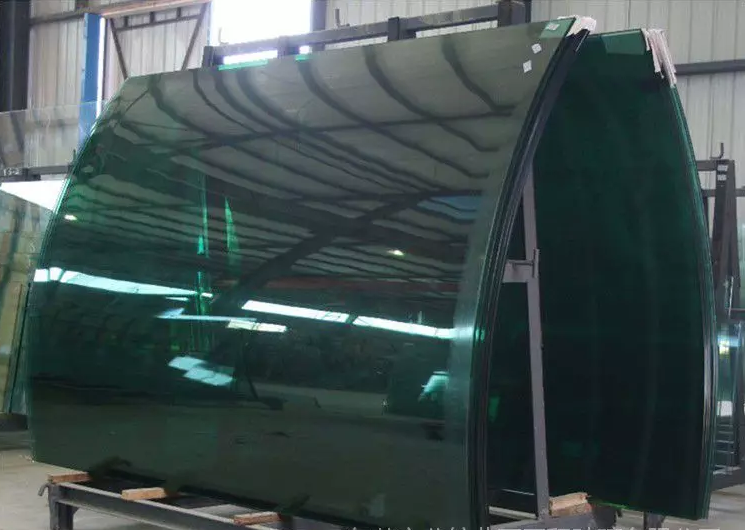
On the glass line, heat isn’t just heat. It’s the difference between a tempered pane that clears impact and one that cracks in the lehr. It’s the difference between a lamination cycle that keeps pace and one that stalls while the oven chases setpoint. When the heating system drags, you pay for it in scrap, rework, and missed schedules. What matters, technically Our industrial quartz heaters put heat where you need it, when you need it. Short-wave infrared elements with high emissivity radiate straight into the glass, so you waste less heat on convection. From a cold start, you get a 2–4 second ramp to setpoint, and the curve stays tight. Power density runs 30–60 W/cm², sized to the load and line speed. Temperature uniformity across the active face holds within ±1.5% (measured on a calibrated surface), so you don’t fight hot spots that drive thermal stress and optical distortion. Element life is rated to 5,000+ hours with under 5% output drop, and the quartz envelope takes repeated thermal shock without cracking. Why this works in glass Tempering, bending, lamination (EVA/SGP/PVB), coating drying, and insulating glass sealing all run on repeatable thermal profiles. Fast response cuts cycle time and keeps the oven in sync with the stations upstream and downstream. Tight uniformity improves yield by limiting warp and stress marks, especially on thin glass and coated products. Because radiation heats the glass directly instead of the air, energy use drops. The modular design also helps—replace only the affected zone when maintenance hits, not the whole bank. On high-throughput lines, that means fewer stoppages, fewer rejects, and uptime you can count on. A few practical notes You need line-voltage compatibility and proper clearances; crowd the reflector and you’ll cook it, and you’ll invite local hot spots. Match the heater to the glass thickness, emissivity, and line speed—mismatch those, and you’ll see uneven heating or overshoot. After installation, give it a short warm-up to stabilize control and confirm setpoint matches the measured surface temperature. Set the parameters right, and the heater becomes part of the process—not the bottleneck.