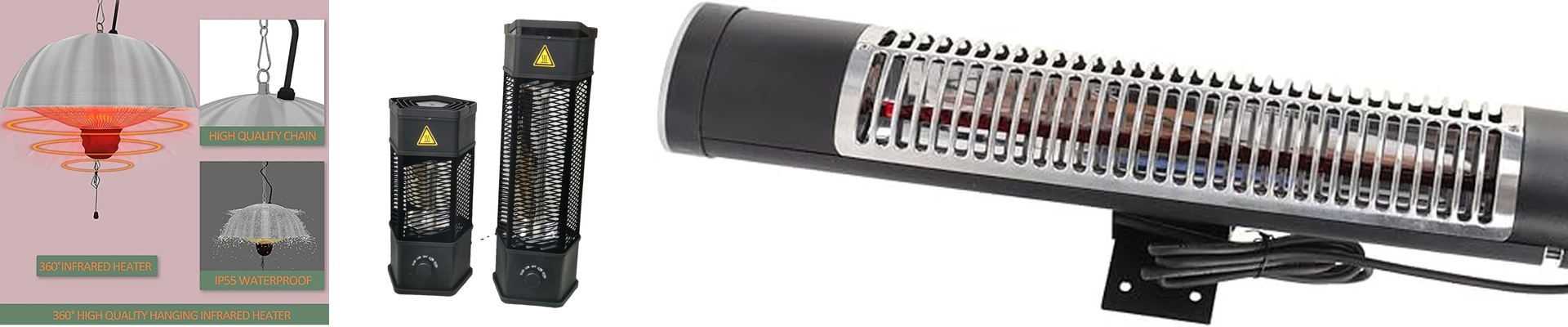
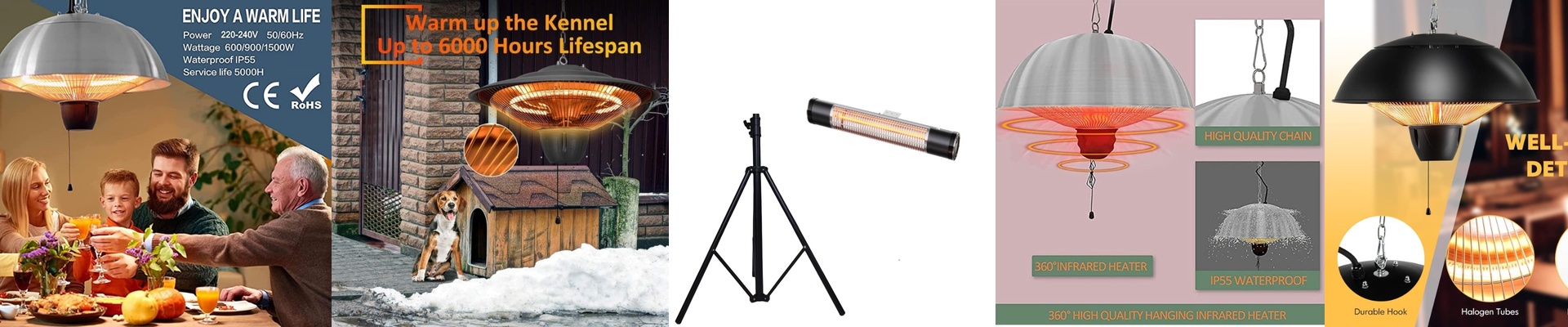
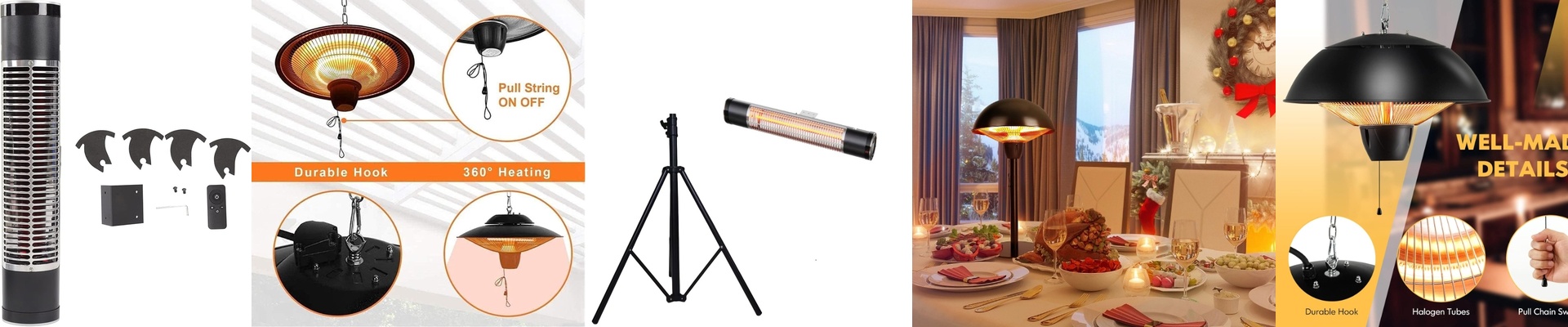
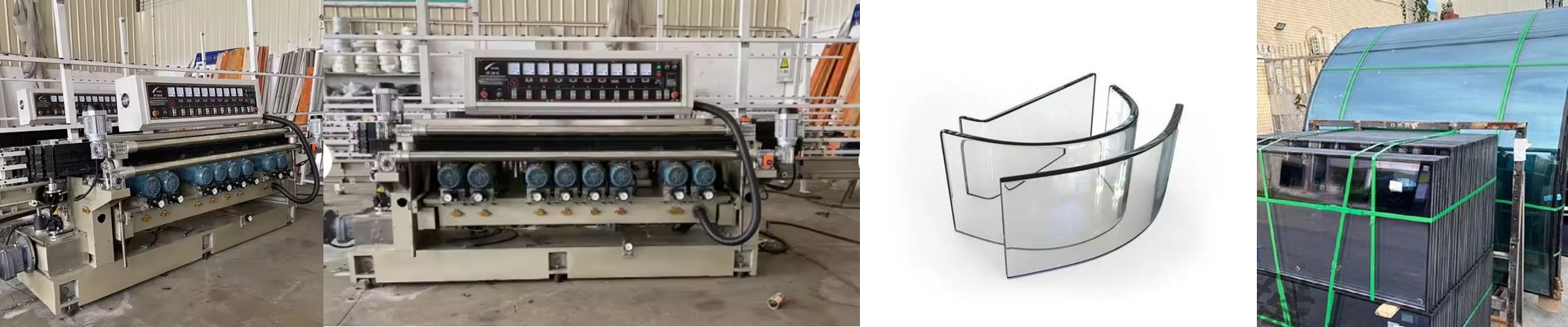
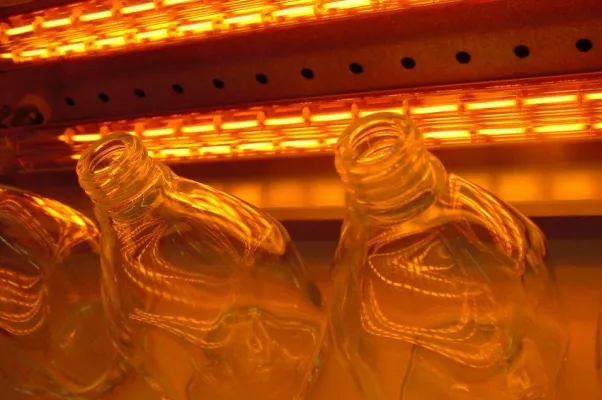
On the line, heat isn’t a background variable—it is the process. In tempering, bending, lamination, and coating drying, a shaky thermal profile shows up fast: optical distortion, thermal stress cracks, and good glass that should have passed ending up as scrap. Quartz heaters give you the most direct way to keep the glass moving at speed without flying by feel.
What matters, under the hood
We build quartz heaters for glass machinery around two things: fast response and stable output. The quartz element delivers high-intensity infrared with low thermal mass, so you can adjust surface temperature quickly when line speed changes. Typical voltages cover 230V and 400V configurations, and power density is matched to the application—higher in rapid heating zones, moderate in holding and annealing legs. Element geometry is shaped to create a uniform thermal field across the glass width, which cuts down edge-to-center differences that drive bow and stress. The quartz tube handles thermal shock, and the internal filament geometry helps keep emissivity consistent shift after shift.
Why this plays well in glass processing
In this work, the scoreboard is yield and uptime. Quartz heaters cut heat-up time, so you spend less time waiting and more time running. The fast response helps when you switch thicknesses or colors. In coating drying and lamination, you can hold setpoint without overshoot that can damage sensitive layers. In tempering and bending, more uniform heating reduces localized hot spots and sharp thermal gradients—so you see fewer fractures and less rework. Energy use drops, too, because the heater idles less and recovers quickly after each cycle.
What you need to keep straight
Quartz heaters are sensitive to surface condition and mounting. Keep the heater face clean—coatings, dust, and residues change emissivity and throw off the temperature profile. Confirm mounting clearances and airflow around the element. Restricted cooling will shorten service life. Expect a shorter warm-up than convection systems, but plan for proper thermal insulation and guarding—protect operators and nearby components. Match the heater to the machine footprint and electrical interface so swapping it in is straightforward.