Stop the Bathroom Mold Battle with a Little Physics
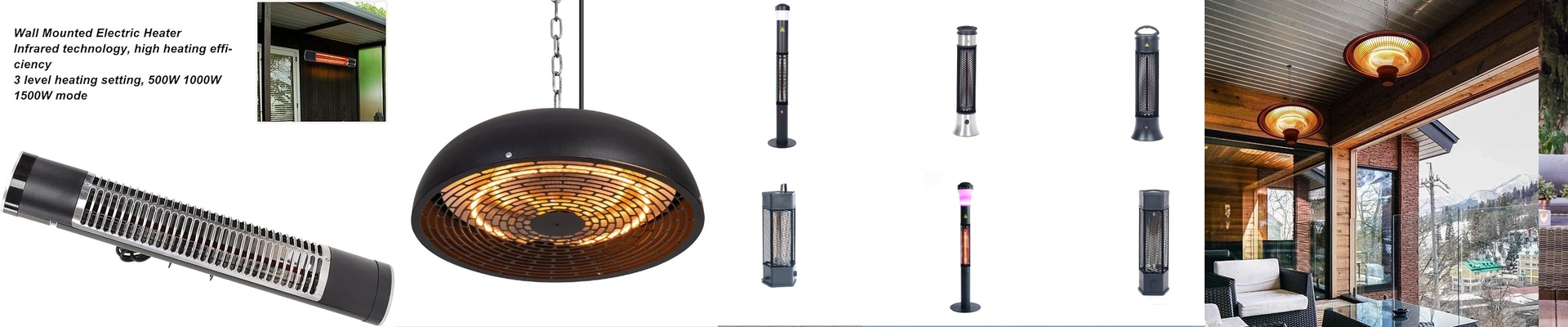
Most of us think of those bathroom heat lamps as just a way to keep from shivering while we get dressed. But there’s actually some pretty cool science happening behind the glass. We use specific infrared (IR) spectrums to basically “manage” the room. By focusing on shortwave IR, we can target moisture right where it sits and stop mold from moving in.
How the heat actually works
Here’s the thing: most heaters just warm up the air. That’s fine, but it doesn’t do much for your walls. These lamps are different. They send energy straight into your tiles and walls. It bumps the surface temperature up just enough so that water can’t condense. No condensation means no damp patches, and without those wet spots, mold spores have nowhere to land and grow. It’s a simple fix that saves you from scrubbing grout with a toothbrush.
The nitty-gritty stuff
To make this work in a steamy bathroom, we use quartz envelopes with special coatings. This lets us pack a lot of heat into a small space. You really want a high wattage-to-length ratio. Why? Because you want those surfaces to flash-dry the second you step out of the shower. We also use heavy-duty R7s connectors. Steam is brutal on electronics, and these keep the wiring from rusting or oxidizing.
A few things to keep in mind
You can’t just pop these into any old light fixture. These lamps pull a lot of power. If you don’t check your wiring and breakers first, you’re probably going to trip them. Also, these things gethot. Really hot. Your fixture housing needs to be rated for that kind of thermal stress, or you’re asking for trouble. And just a heads-up: don’t throw away your exhaust fan. If your vents are blocked, the lamp is just fighting a losing battle against a room full of steam. They work best as a team. I usually suggest setting them on a timer—that way your walls stay dry, but you aren’t accidentally turning your bathroom into a sauna.