
Keeping Your Chicks Warm (Without Hurting Their Eyes)
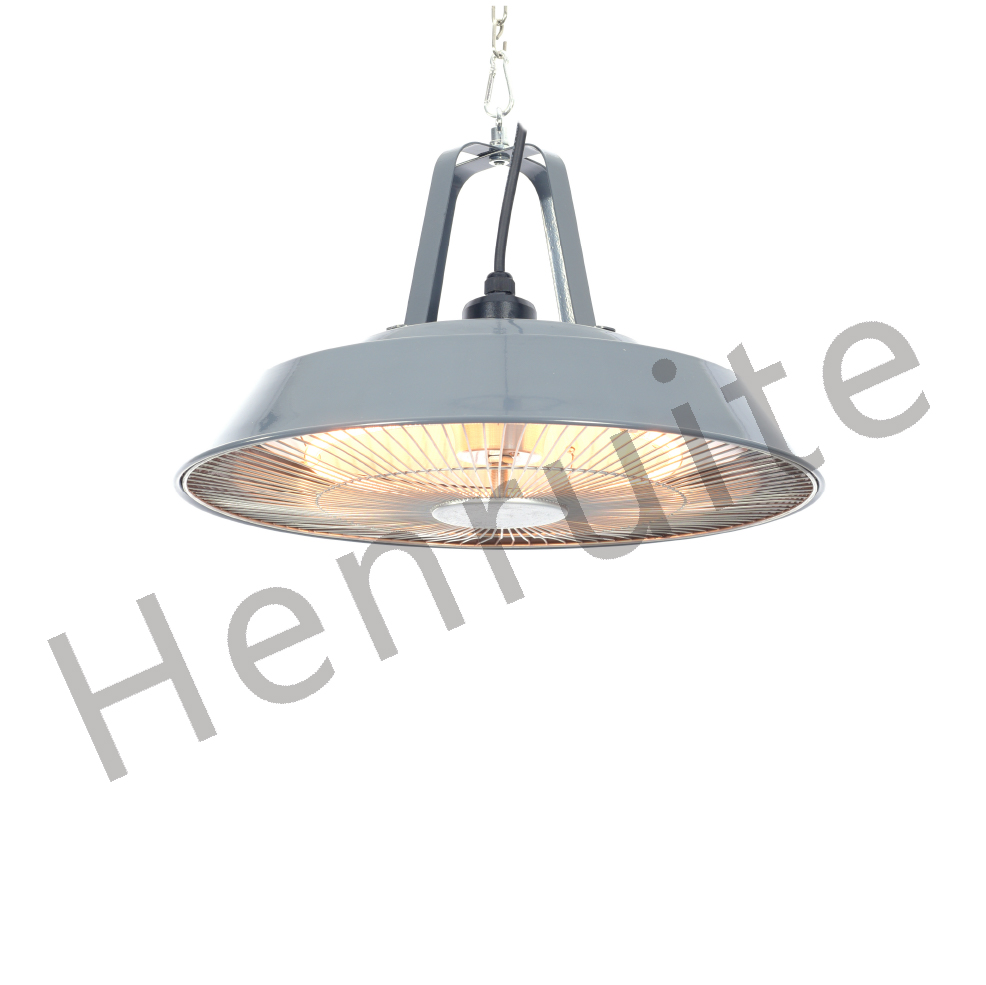
When you’re setting up a chicken coop or a brooding area, you’re fighting a constant battle against dust and moisture. But there’s something else people often forget about: the light. Here’s the thing. Young chicks have incredibly sensitive eyes. Most standard infrared lamps just blast a wide spectrum of light that can actually stress out their retinas. It’s too harsh. We figured out a way to filter that output so the heat gets to the birds, but the light stays gentle. Making the light a bit “softer” We apply special coatings to the quartz glass to shift how the light comes out. By blocking the harshest UV and blue light, we get a soft glow instead of a blinding glare. It’s not about making the coop look pretty. It’s about preventing retinal fatigue. You still get all the warmth the babies need to thrive, but without the ocular stress. Dealing with the mess Let’s be honest—coops are gross. You’ve got ammonia, water splashing everywhere, and bedding dust getting into everything. To stop things from shorting out, we seal the electrical connections tight. We also wrap the heating element in high-grade quartz. This keeps the filament from burning out early when it hits that damp, salty air. One quick tip: watch your height. A high-wattage lamp puts out a lot of heat, but it creates a very intense “hot zone” right underneath it. If you hang them too low, you’re going to scorch your birds. I always suggest pairing these with a solid thermostat so the power cycles on and off automatically. The trade-off Now, because these lamps are filtered for safety, they don’t hit quite as hard as those raw industrial heaters. They’re a bit milder. You might find you need to add one extra unit to your setup to keep the room at the right temperature. To me, that’s a small price to pay to keep the livestock safe. And please, for your own peace of mind, wire everything into a GFCI circuit. It’s just safer when you’re working in a damp environment.