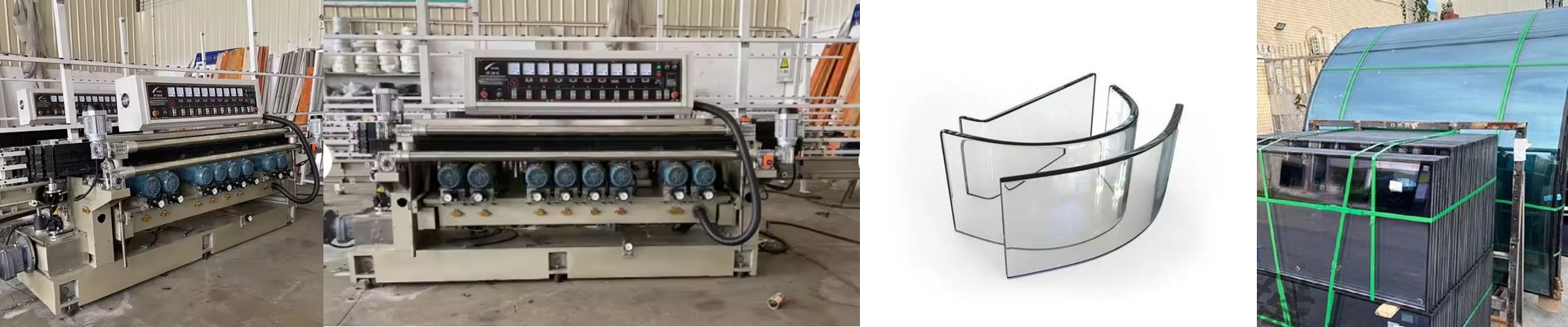
Ever notice how some pieces in a batch come out perfect, but others still have those annoying stress points? You check the timer, everything looks right, but you’ve still got “cold spots” at the edges of the load. It’s frustrating. And honestly? It’s usually not the timer’s fault. It’s the lamps. Here is the thing about standard IR lamps: they aren’t all identical. Some put out a little more heat, some a little less. It sounds like a tiny difference, but in a big furnace, those gaps add up. You end up with a thermal gradient—basically, a heat map that looks like a patchwork quilt. That’s why we stick to high-consistency lamps. When every square inch of glass gets the exact same wattage, you don’t have to “over-cook” the whole batch just to make sure the coldest corner is actually annealed. But the lamps are only half the story. Think about it: a lamp throws heat in every direction. If you don’t catch that energy and push it back toward the glass, you’re just heating up the room. We use gold-coated reflectors for this. Why gold? Because it bounces back over 98% of that infrared heat. Compare that to aluminum or polished steel. Aluminum is fine for a while, but it takes a beating. The heat and moisture in the air make it dull over time. Once that mirror finish goes, your heat density drops and your cycle times start to crawl. Gold doesn’t oxidize. It stays shiny. It keeps the heat where it belongs. Now, there is a catch. When you combine precision lamps with gold reflectors, you’re shoving a lot more energy into the workpiece. This means the outside of your furnace is going to get hotter. You’ll need to make sure your cooling fans and housing can handle the extra load, otherwise, you might actually warp the furnace frame. It’s a trade-off, but a worth-while one. Once you get these dialed in, you can stop chasing ghosts in your quality reports. Everything hits the same annealing point, and you finally get a uniform result across the whole batch.