
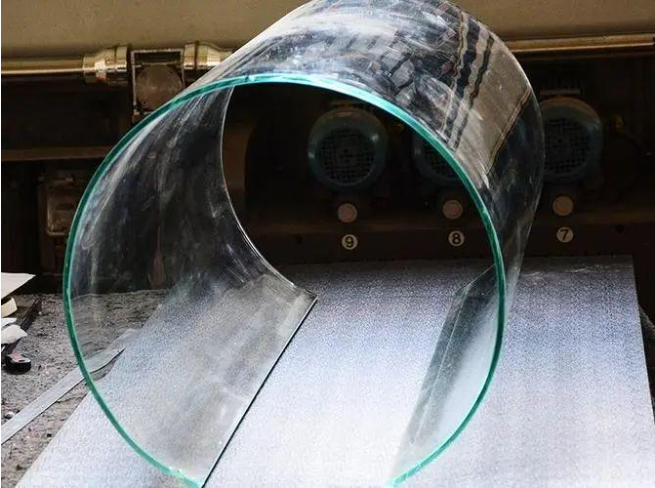
On the line, temperature stability isn’t a wish—it sets the pace. If the thermal profile in the drawing tower drifts, viscosity goes off-spec, and preforms crack, bend, or hit diameters that are out of tolerance. You end up chasing yield while the furnace sits idle. What matters under the hood We build fiber optic drawing heaters around high-purity quartz elements and reflectors held to tight tolerances. That gives you a clean, directional heat front. The thermal field stays even across the preform neck, so softening is repeatable—no hot spots. Units are calibrated for 240 V and 380 V plant power, with dense heating zones that fit standard drawing furnaces. Ramp-up is fast, so changeovers don’t drag. The quartz body handles repeated heat-cool cycles without cracking under thermal shock. Run it hard, and output drift stays within a narrow band, hour after hour. Why this matters in glass processing In tempering, bending, lamination, insulating glass lines, and automotive glass work, heat controls throughput and scrap. This heater delivers rapid, repeatable heat that keeps the drawing process steady—even when you switch grades or diameters. Fewer breaks. Tighter diameter control. Less downtime spent chasing temperature. Energy use drops because heat comes on demand, idle losses stay low, and you’re not over-relying on convection heating. For automotive and architectural glass makers, that translates into more parts per hour and fewer rejects tied to thermal stress. The field notes that keep it honest Installation comes down to clean, aligned mounting surfaces and proper clearances. Keep the thermal path consistent. Match electrical connections and the control interface to your furnace; mismatched wiring or sensors will push the setpoint off and drive drift. Treat the quartz elements carefully—surface contamination changes emissivity and skews the profile. Plan for routine inspection and controlled cool-downs. That’s how you protect the heater and keep the thermal map intact.