
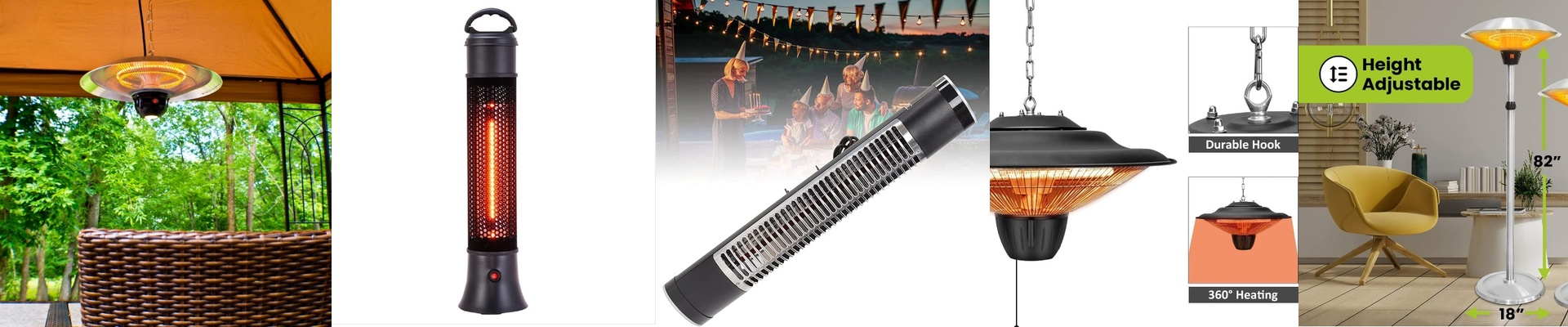

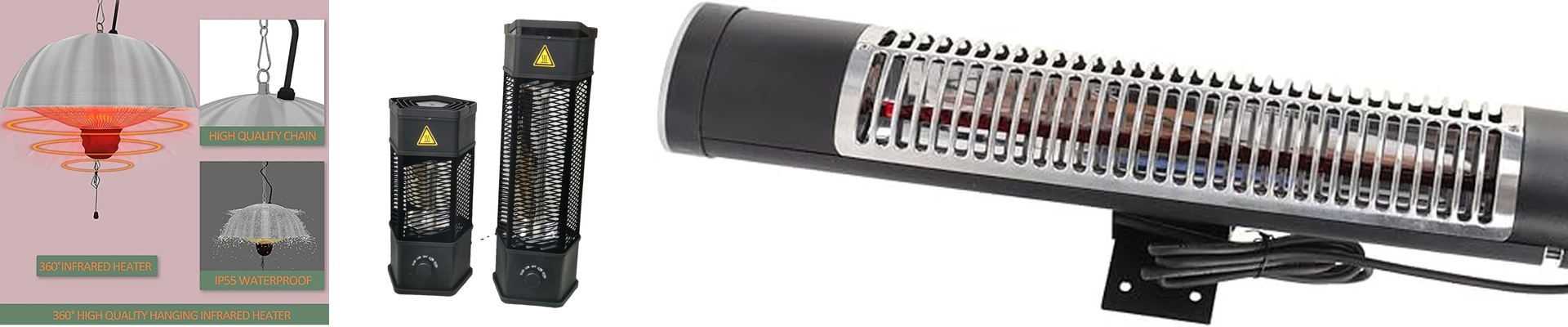

In a greenhouse, a few degrees can separate a solid harvest from a season of headaches. When night drops and the air turns sharp, a heater that just “warms” isn’t enough. You need control—heat that stays steady, aimed where the plants need it, not at the mercy of the weather. That’s exactly why a greenhouse electric heater earns its keep. What matters, under the hood We build these greenhouse electric heaters around radiant warmth, the same principle as sunlight: it sends heat directly to plants, soil, and benches instead of chasing air temperature first. That keeps leaf surfaces drier and smooths out the day-to-night swing. Inside, a carbon fiber heating element responds quickly and holds an even output, paired with a quartz envelope that handles moisture and the constant cycling of on/off. The unit runs on standard electric circuits, draws power efficiently, and pairs cleanly with a thermostat so you can set the environment you want and keep it there. Why this approach fits greenhouses Greenhouses thrive on stability, and radiant electric heat delivers that by keeping the root zone warmer when the air outside is cold. Seedlings push through more consistently, and you cut the risk of damp-related trouble. Because the heat arrives immediately, you don’t wait around for equipment to spin up, and you don’t overshoot the setpoint. The payoff is fewer temperature swings, less stress on plants, and a more predictable daily rhythm. For you, that translates to fewer guesses, fewer losses, and a more comfortable place to work through the cold months. Installation and real-world use Radiant electric heaters do their best work when aimed straight at the growing area, with clear sight lines to plants and benches. They’re a strong fit in well-sealed greenhouses, but they won’t make up for poor insulation—if the structure is drafty, you’ll watch the heat walk right out the cracks. Plan for dedicated circuits and follow local electrical codes, especially for outdoor-rated connections. In humid greenhouses, pick a model with the right moisture protection, and keep the heater positioned where routine service is straightforward.