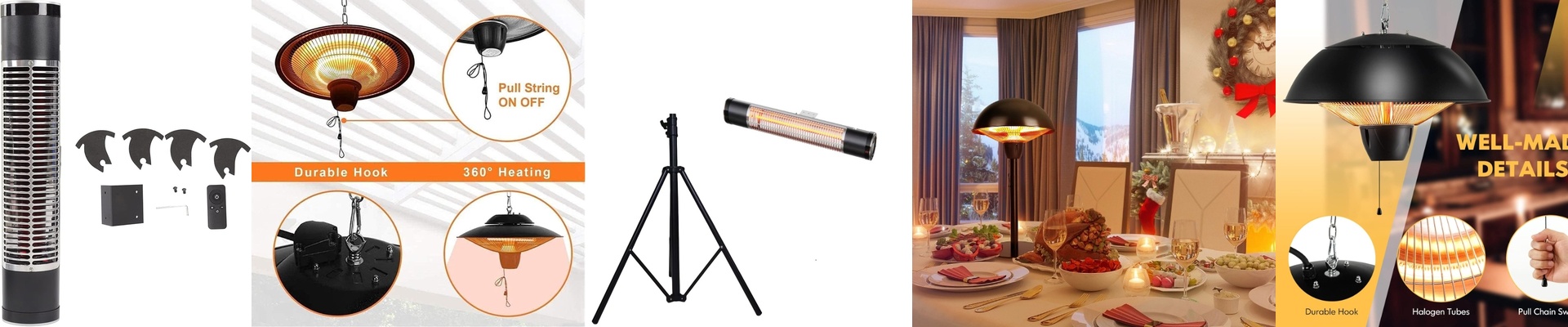

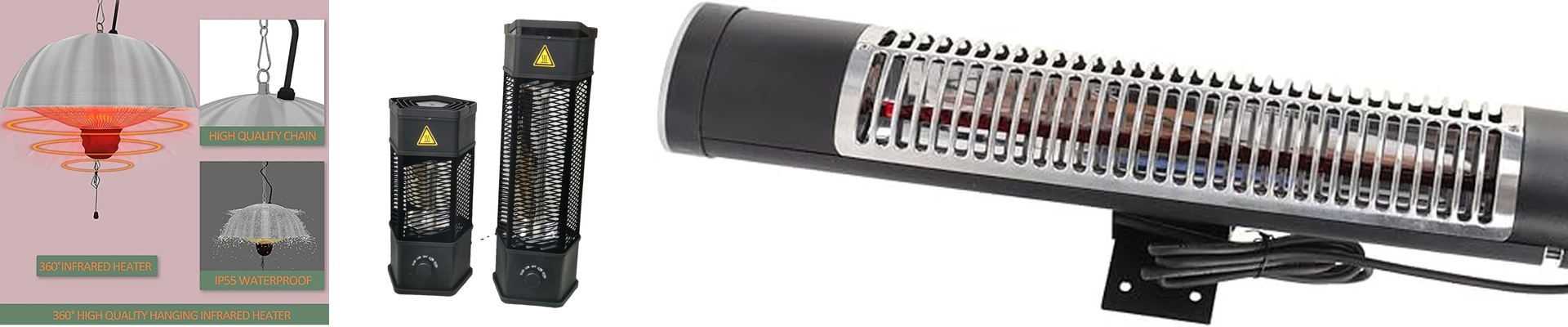
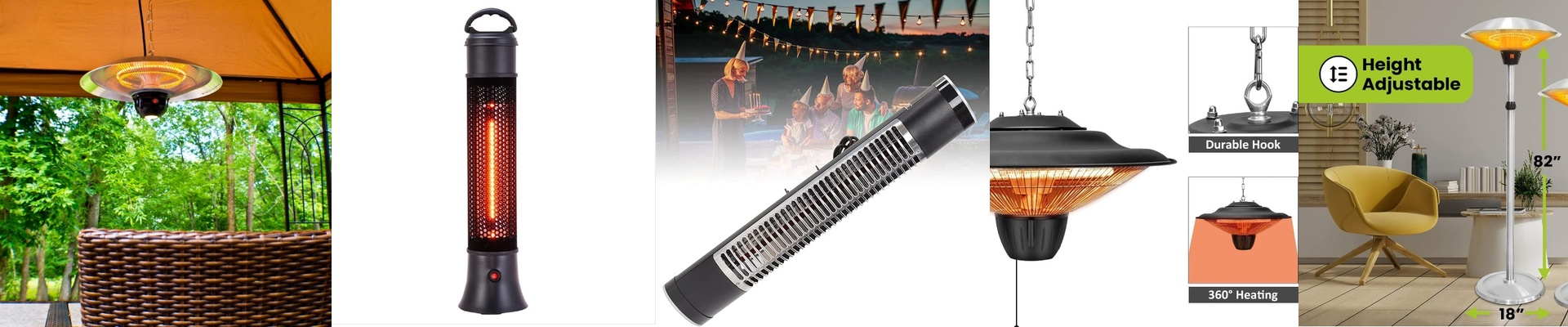
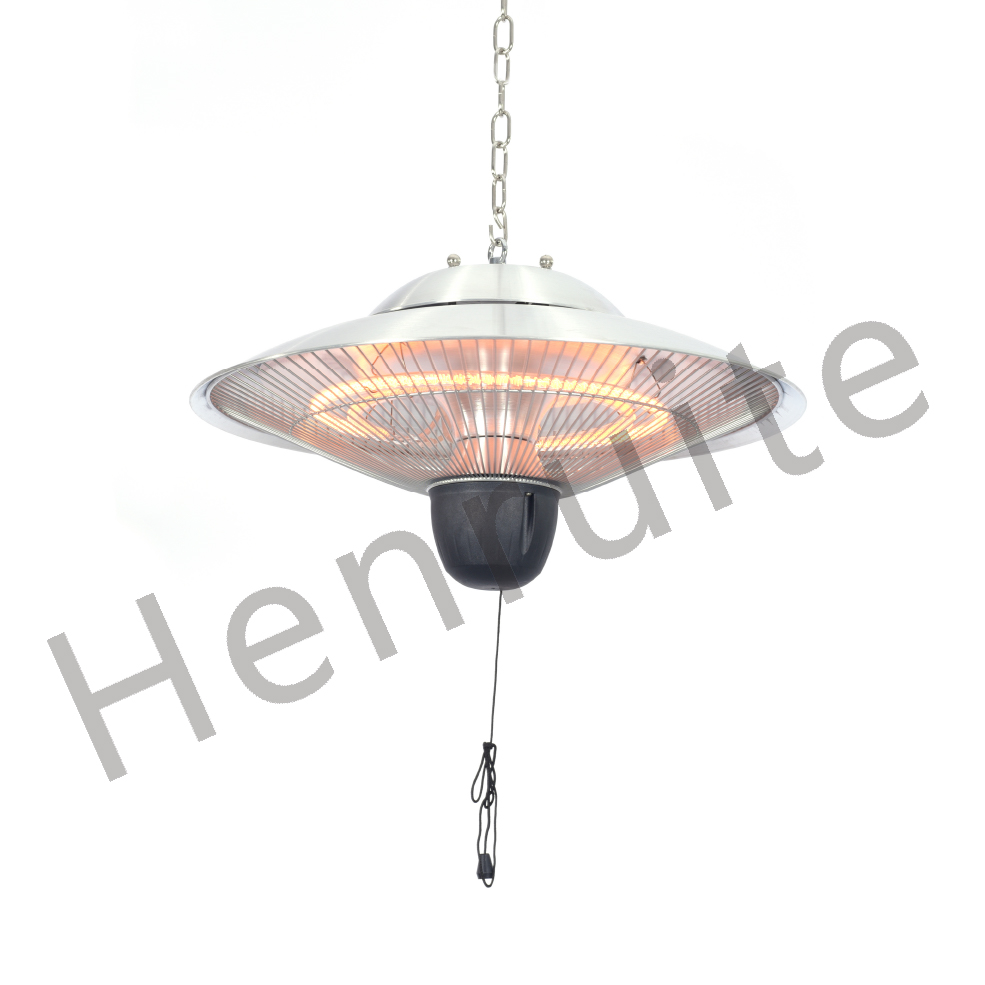
In a high-end display window, the details have to stay put. In a lab, the air needs to stay clean, not churned up. Conventional heaters blow air, which lifts dust and shifts humidity. That can fog a showcase or knock a sensitive instrument off calibration. We built our industrial electric infrared heater to warm without moving air, so the space stays stable, quiet, and free of particulates.
What matters under the hood
We run short-wave infrared quartz elements, so the heat is radiant. It travels through space and warms people and objects directly. You get fast response—full output in seconds—with no fan to stir debris. The heater runs on standard industrial electric supply, with solid terminals and a clean, sealed housing. Output is controlled in clear steps, and you can add an external thermostat to hold the setpoint tight. That means you can keep a narrow temperature band without overshoot.
Why this makes sense in practice
In a display window, the heater keeps merchandise and glass at a steady comfort level. Condensation and glare drop, and the visual experience stays intact. In a lab, the no-fan design means no air movement to disturb samples, optical paths, or sensitive equipment. The heat is aimed where you need it, so you can protect specific zones without heating the whole room. Energy use falls because you’re not fighting air exchange—just warming what needs warmth.
The realities you need to plan for
Infrared is directional, so placement matters. Aim the beam to cover the target area, and avoid direct line-of-sight for prolonged viewing. Surfaces can get warm, so keep clearances to combustibles and nearby materials per the clearance chart. For best performance in sensitive settings, pair the unit with a shield or filter option to manage reflected glare and fine-tune the spread.