


Winter nights have a way of turning bedrooms into echo chambers of cold. Switch off the light, and the air turns sharp. The quiet just underlines how cold the floor feels underfoot. And a noisy heater makes it worse. The hum, the click, the on-off cycling—any of it can yank you out of the first stage of sleep.
What matters, technically
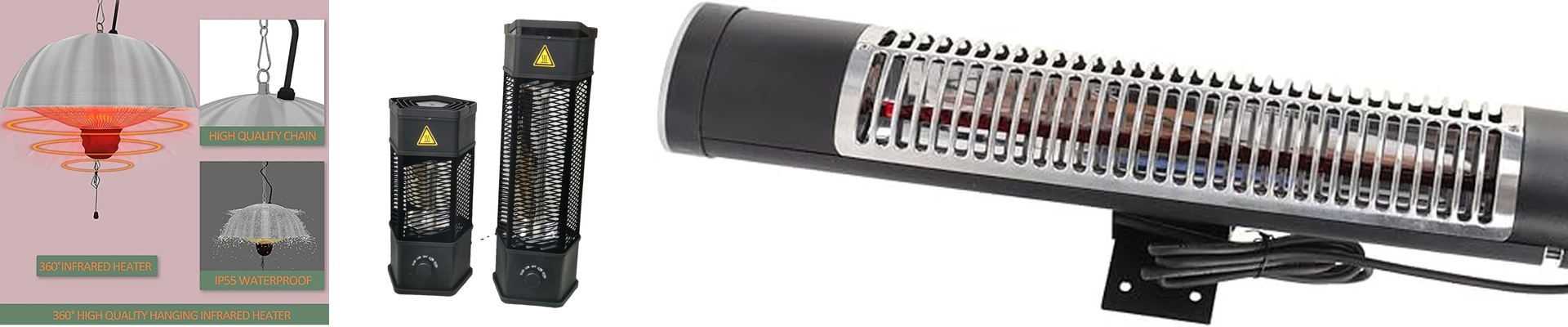
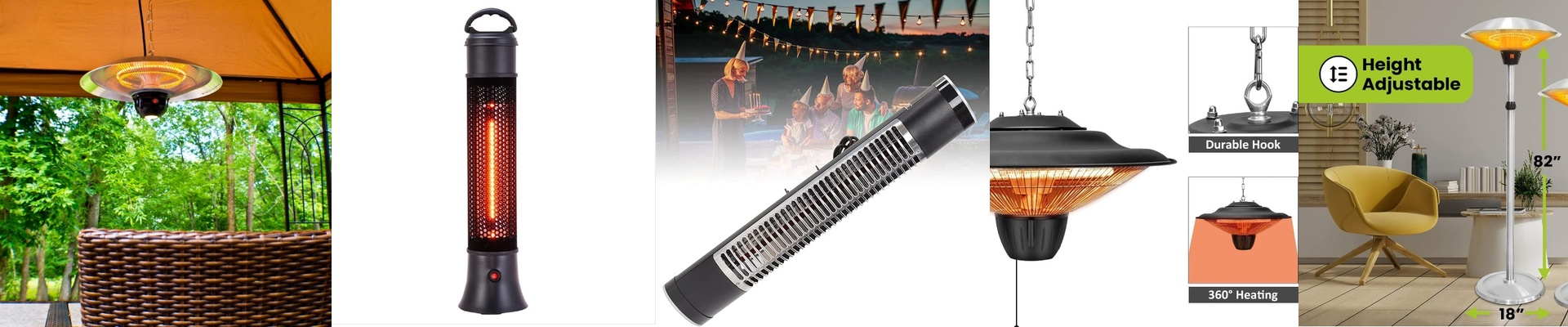
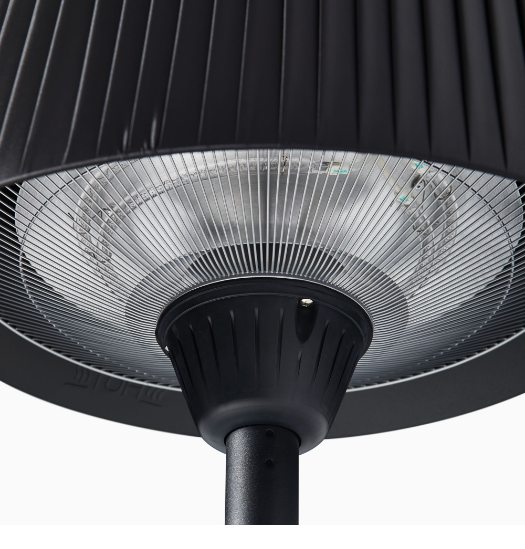
Infrared bedroom heaters don’t work like convection heaters. They deliver warmth asradiant heat, warming people and surfaces directly instead of heating the air first. In practice, you feel comfort faster, and the room doesn’t get that heavy, stuffy feel. Most models use a carbon fiber element or a quartz tube, often paired with a low-noise fan—or no fan at all. Expect operating sound around 35–45 dB, about the level of a quiet conversation. Typical units run on standard 120V outlets, draw 600–1500W, and include a built-in thermostat so temperature holds steady instead of swinging all over the place. For safety, look for tip-over protection and overheat protection. Some are rated for bathrooms or damp areas (IP rating), but that depends on the specific model.
Why this works in a bedroom
In a bedroom, the real target is uninterrupted sleep. Radiant heat meets you the moment you step in, so there’s no long wait for the room to “catch up.” Because the heater isn’t blasting air, it stays quiet. And since the air isn’t being pushed around, dust and allergens stay more settled. Steady temperature control plus calmer air can help you fall asleep sooner and stay asleep longer. Fewer awakenings, less tossing and turning—just a bedroom that feels genuinely cozy as soon as you get into bed.
What you need to know
Infrared bedroom heaters are plug-and-play, but placement matters. Keep the unit at least three feet from bedding, curtains, or furniture, and never block the front air intake. Use a dedicated outlet when you can, and avoid extension cords if you’re running the heater on high for long stretches. And remember: radiant warmth works best when it can reach you. If the heater is tucked behind a big piece of furniture, you’re going to feel a lot less of that direct comfort.