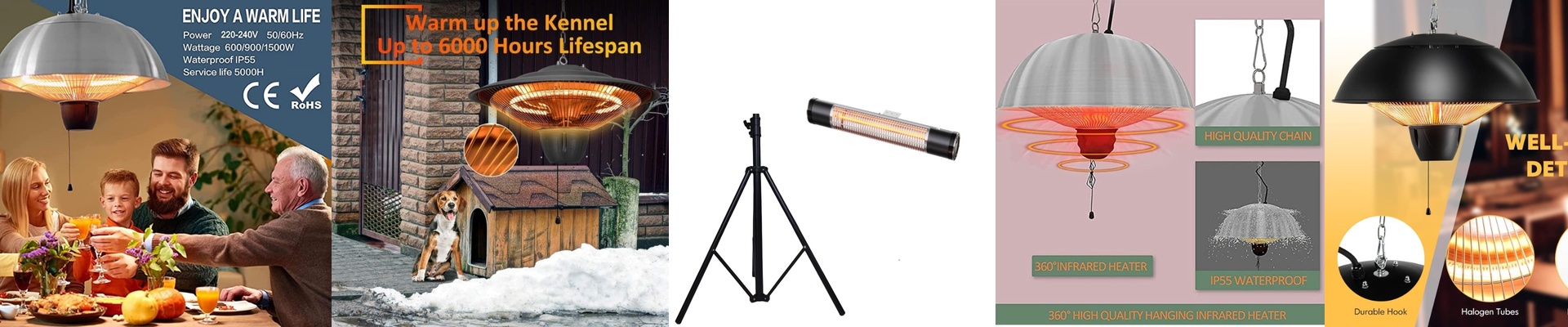
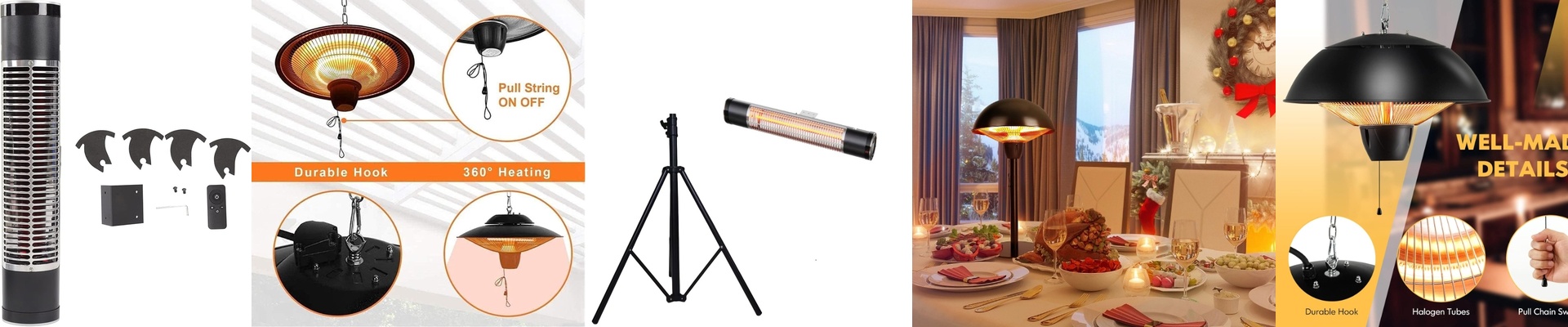
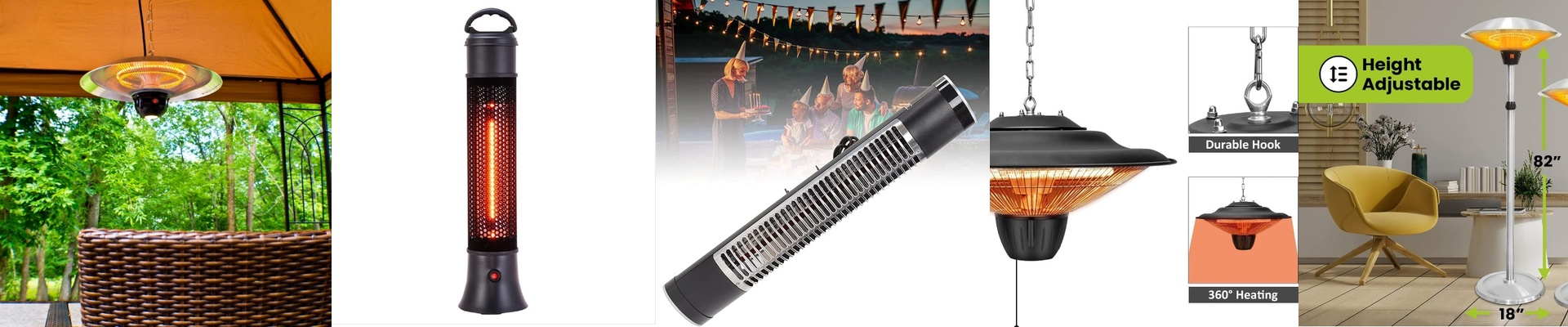
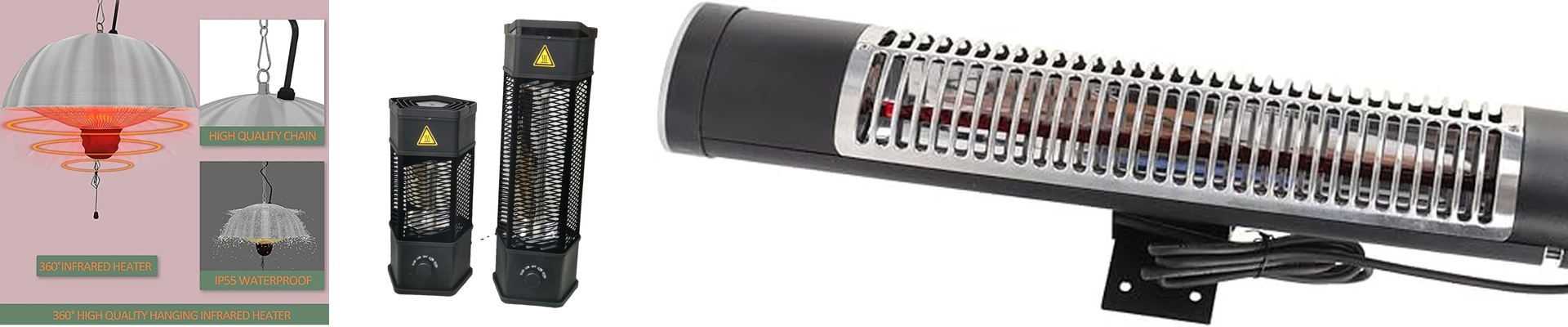
On the IG line, the spacer bond is where yield lives or dies. Let the heat drift and the adhesive cure goes uneven. You end up with glass stress that shows up as optical distortion—or worse, a fracture that shows up after the unit is installed. We built our spacer bonding infrared heater to shut down that variability at the source. What matters under the hood This is short-wave infrared, using quartz emitters for fast response and tight control. The whole point is uniform thermal distribution along the spacer path, so we shape the reflector geometry and power density to keep the hot zone flat—no spikes, no cold edges. That gives repeatable temperature across the glass, keeps thermal stress down, and prevents warp during the seal. The system runs on standard line voltages and drops straight into most OEM frames, so you don’t have to redesign the machine just to get better heating. Why it fits the process Spacer bonding needs heat that keeps up with high-throughput IG cells, but it has to be gentle enough to avoid thermal shock. Short-wave infrared delivers heat on demand, with no warm-up idle time. The uniform field cuts rejects that come from uneven adhesive flow and trapped gas. In practice, that means fewer visual defects, higher first-pass yield, and adhesion that holds up through cutting, handling, and pressure testing. Energy use drops because the heater targets the spacer, not the whole room. What to watch for Infrared is line-of-sight, so emitter layout and standoff distance have to match the spacer profile and glass thickness. Clearance to nearby components matters, and reflectors need regular cleaning to keep output consistent. When we commission, we scan the temperature profile so you start on a stable setpoint—and stay there between maintenance cycles.