Fixing Those Annoying Cold Spots in Glass Annealing
If you’ve ever worked with volumetric flasks or those skinny-necked vials, you know the nightmare. You pull them out of the lehr, everything looks fine, and then—pop. They shatter for no apparent reason. The problem is “dead zones.” In a standard oven, the heat just doesn’t get into the tight spots. Those narrow necks and deep bases stay too cool, leaving internal stress trapped in the glass. It’s a ticking time bomb. We’ve found a way to stop this. Instead of just cranking up the bulk heat and hoping for the best, we use targeted infrared (IR) lamp arrays.
Getting the heat where it actually matters
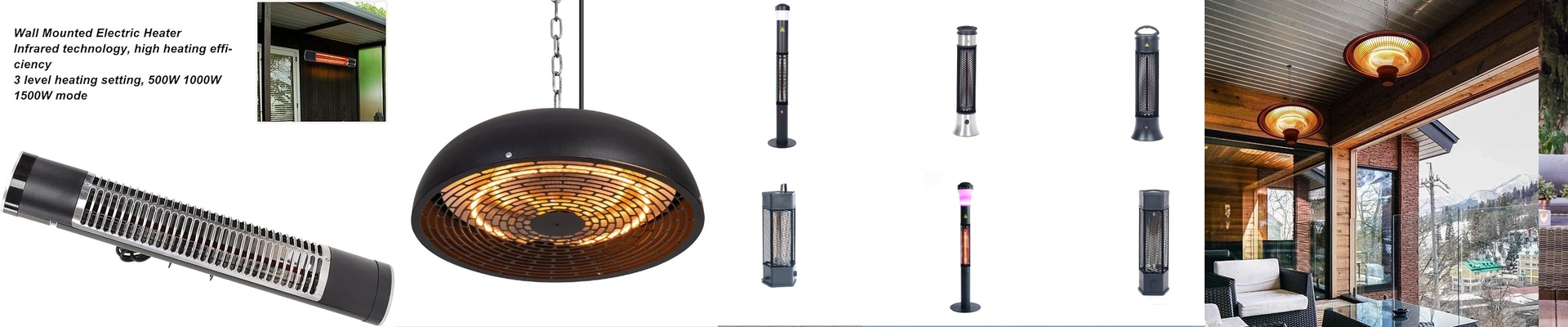
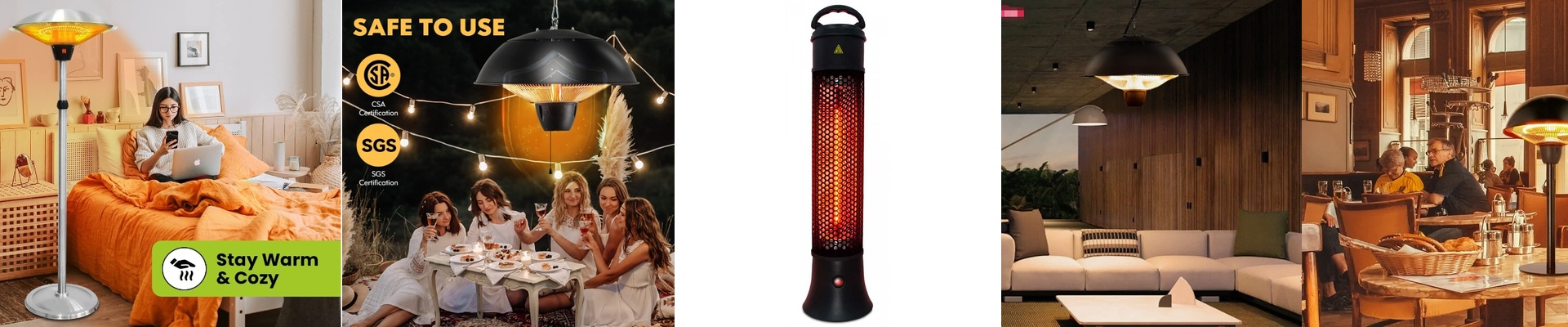
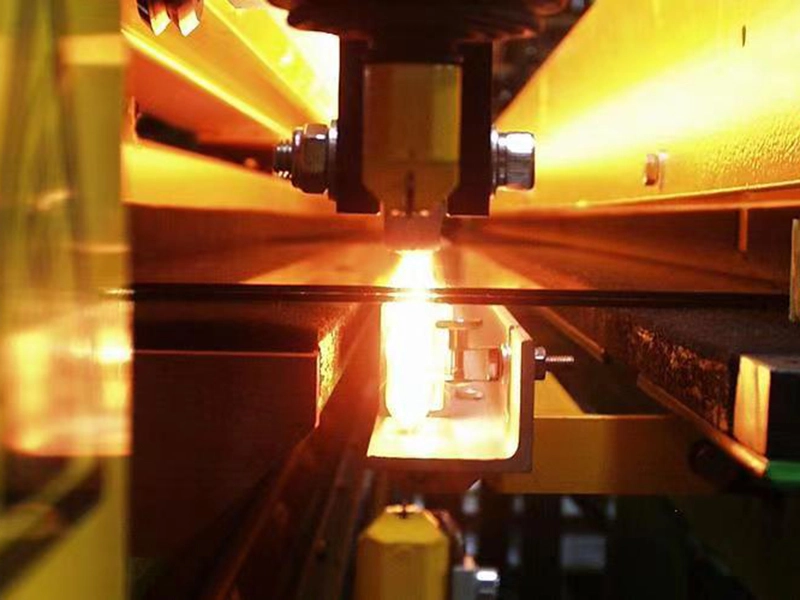
Standard convection heating is basically just blowing hot air. But air is lazy; it doesn’t like to squeeze into a narrow neck or settle in a deep base. IR is different. It’s electromagnetic radiation, which means it hits the glass surface directly. By using short-wave or medium-wave quartz lamps, you can aim the heat exactly where the glass is struggling without turning the entire chamber into a furnace. We usually set these lamps up in a staggered grid. It helps the heat “wrap” around the curves of the glass so nothing gets missed.
The gear and the grind
For most of our setups, we go with high-wattage quartz halogen tubes. They’re great because they ramp up the temperature fast. Plus, if you use standard R7s or SK15 connectors, swapping out a burnt-out tube takes seconds. No one wants to spend an hour on a repair when production is stalled. But you have to be smart about the wattage. A 2000W tube is fast, sure, but it’ll chew through your power supply. There’s also the heat buildup to think about. If you cram too many lamps into one small space, the ambient temperature spikes. Then you’re fighting a new battle: your cooling fans have to scream just to keep the glass from overshooting the annealing point. It’s a balancing act.
The catch
IR isn’t magic. The biggest headache is “line-of-sight.” If one part of the vessel is blocking another, that hidden spot stays cold. It’s basically a shadow, but for heat. You can’t just throw the lamps in and walk away; you have to really think about the angles and the spacing. If you don’t get the orientation right, you’re right back to square one with those spontaneous cracks.