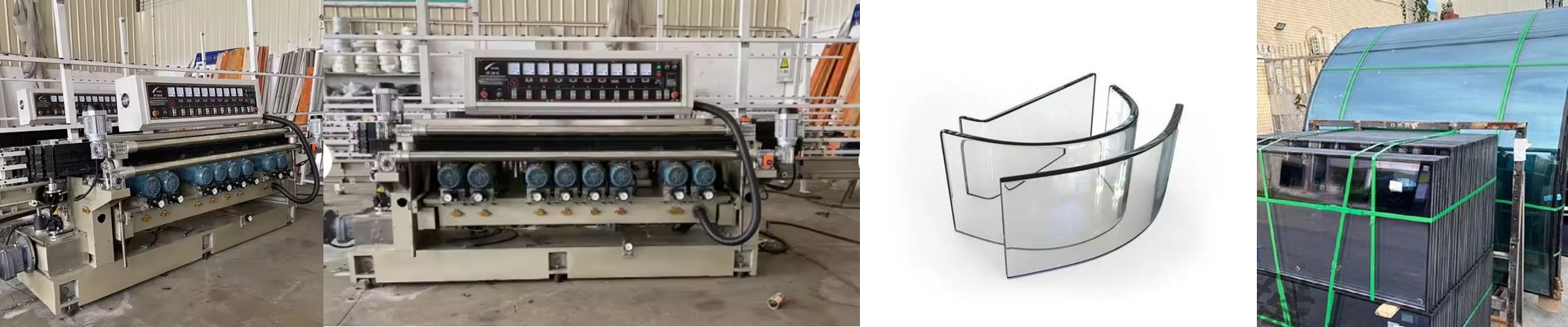
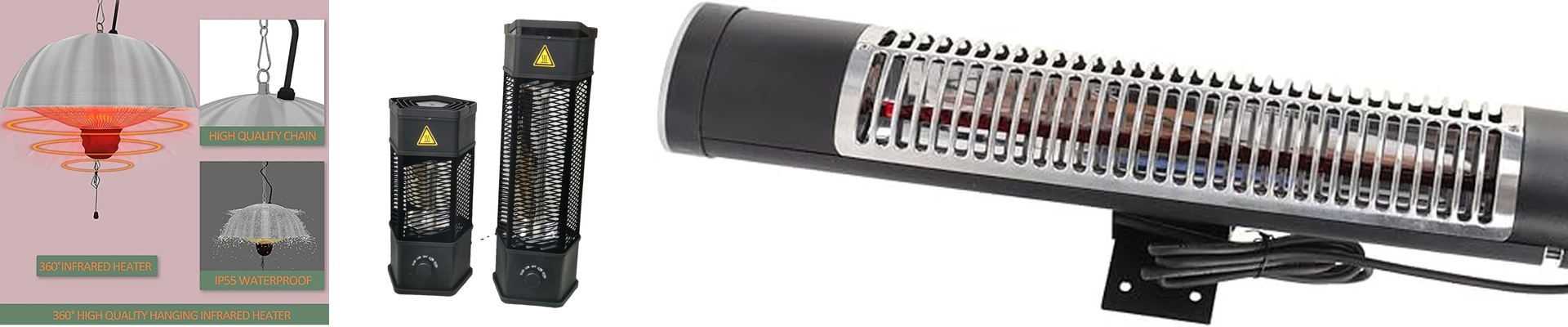



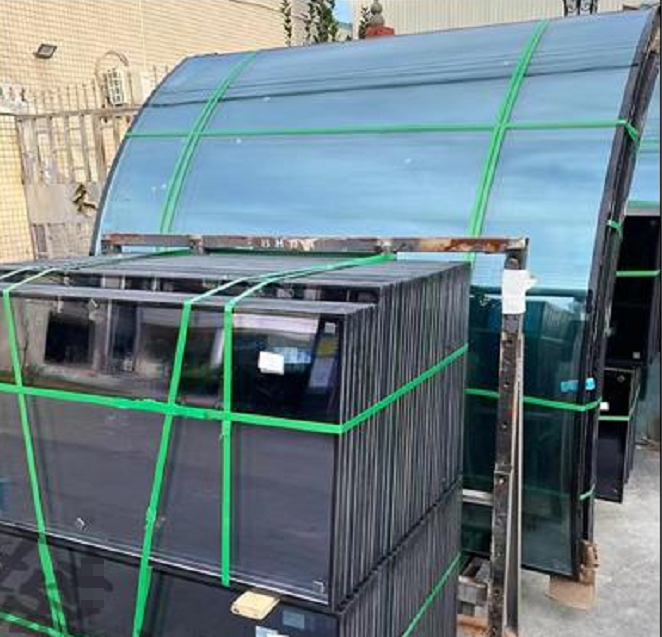
On the line, the oven setpoint looks tidy on paper. Then the batch shows stress fractures and edge warp anyway. In tempering, bending, lamination, and insulating glass sealing, that first thermal step sets the tone for everything that comes after. Preheat off by even a few degrees across the sheet, and you pay in scrap, rework, and sluggish changeovers. What matters, technically We build industrial preheat around short-wave infrared emitters—fast response, tight spectral control. Units come in 230/400 V configurations matched to your plant power, and we size the active length to the glass width plus edge margin so the thermal field covers the whole load without cold zones. Energy hits the surface directly, so air convection takes a back seat and chamber temperature stays stable. The payoff is repeatable heating that keeps the surface within a narrow band, cutting the thermal gradients that drive bow and stress. Why this lands on the floor In tempering, uniform preheat lowers the risk of break during quench and keeps optical distortion in check. In bending, you trim cycle time because the glass hits target temperature faster and more evenly, so the mold profile transfers cleanly. For lamination—EVA, SGP, or PVB—preheat settles the interlayer temperature before pressure, limiting bubbles and voids. In insulating glass, it sets up consistent primary seal integrity by prepping the edge for even adhesive flow. Energy use drops because the heat goes into the glass, not the air, and the quicker ramp supports higher throughput without overworking the furnace. The details that bite you if you ignore them Installation is straightforward, but alignment is not optional. The emitter array has to be parallel to the glass plane, and clearance needs to match the process to avoid hot spots. Plan to tune the profile for thickness and emissivity—low-e coatings change how the glass takes heat. We supply standard mounting brackets and wiring guidance, but you still need to verify temperature uniformity across the full sheet in the field. And don’t run the system above its designed duty cycle; it shortens lamp life. Match the duty to line speed and dwell time, and it behaves.