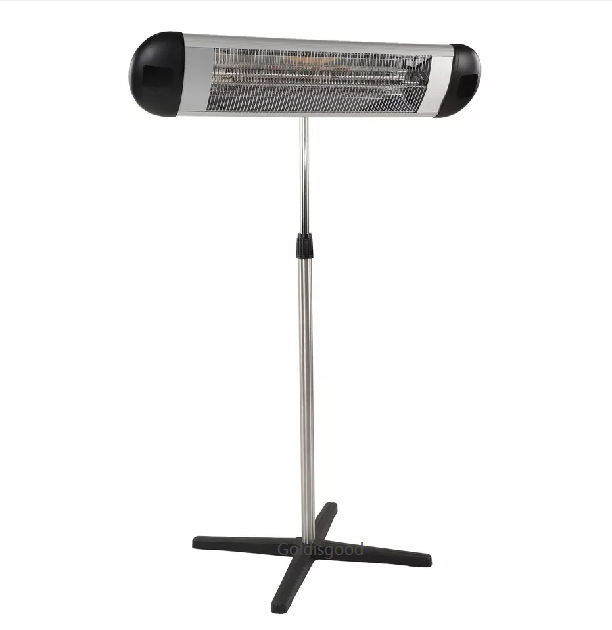
How to Build Infrared Heaters That Don’t Blind You
When you’re designing a bathroom heater, especially one for a nursery or a space where people are relaxed and vulnerable, you can’t just blast heat. It’s not about how many watts you can cram into a fixture; it’s about being gentle. Nobody wants a heat lamp that feels like a stadium floodlight hitting them in the face while they’re trying to bathe a baby. Taming the glow Most standard infrared lamps have this harsh, aggressive glare that just hurts your eyes. We get around that by messing with the guts of the lamp. We use a specific kind of doped tungsten for the filament and add a selective coating to the quartz glass. This basically filters out the blue light. The result? You get all that cozy warmth on your skin, but the light stays soft and dim. It feels natural, not clinical. The nitty-gritty on hardware Most of these run on your standard home power. Depending on how much heat you actually need, you’re usually looking at something between 250W and 600W. That’s plenty to take the chill out of a small room in a few seconds. We stick with quartz glass because it can take the heat. It expands and contracts without snapping. But here’s a tip: watch your mounting. If you put a high-wattage lamp in a tiny, cramped plastic box without enough airflow, you’re basically building an oven. Your housing will warp or melt.Give it room to breathe. Making it work in the real world We keep the connectors simple so they just slide right into existing fixtures. No headaches, no weird adapters. The cool thing about infrared is that it doesn’t waste time heating up the air in the room. It goes straight for the object—or the person. It’s fast. Really fast. Just a heads-up: that quartz tube stays scorching hot long after you flip the switch off. You’ve got to have a solid guard in place. One accidental touch and you’ve got a burn, so don’t skimp on the safety cage.