
Making Your Workshop Heaters Actually Smart
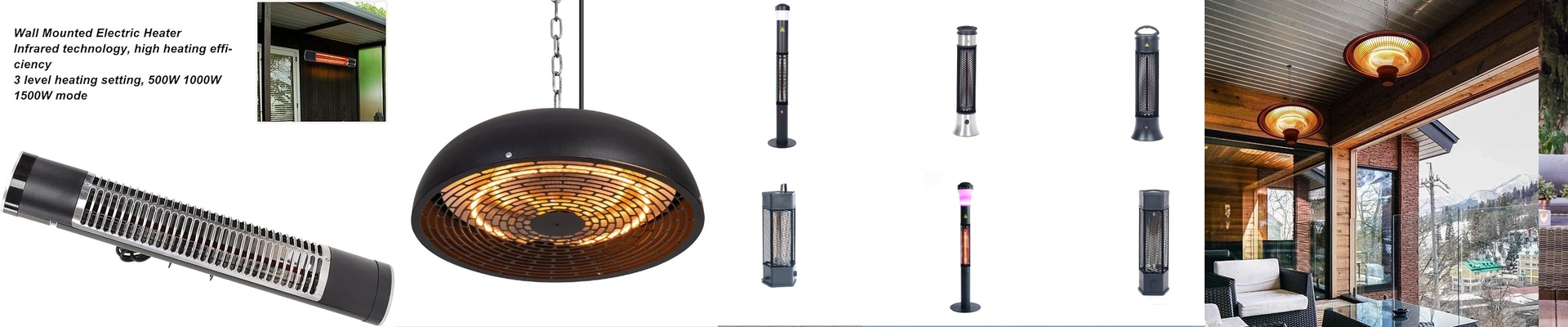
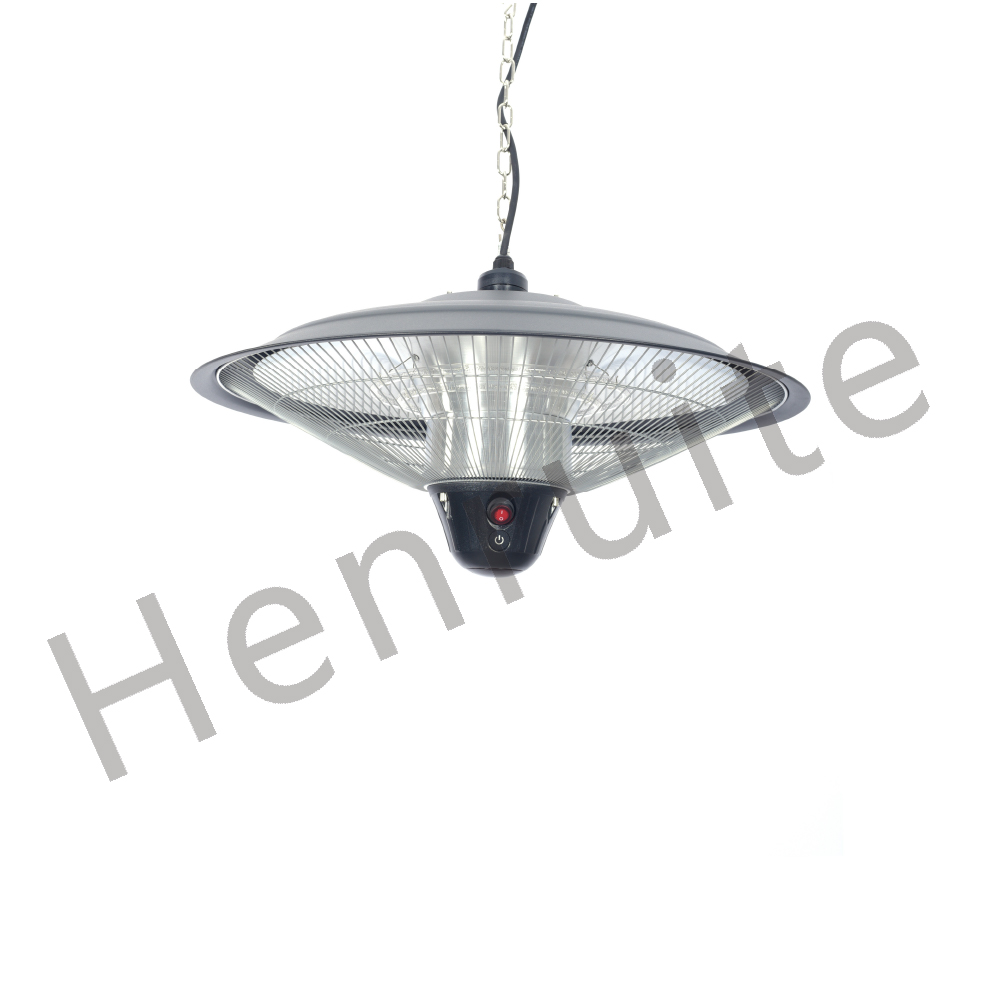
If you’ve ever stepped into a freezing workshop on a Tuesday morning, you know the struggle. You flip a switch, wait forever for the air to warm up, and you’re still shivering for the first hour. That’s where ceiling-mounted infrared heaters change the game. Instead of trying to heat the entire volume of air in a drafty room, these things beam heat straight down onto you and your tools. It feels like standing in a patch of sunlight. But the real magic happens when you stop flipping manual switches and let a smart system handle the heavy lifting.
Why automation feels so different
The best part about infrared is that it’s almost instant. There are no boilers to warm up or pipes to prime. The moment the power hits those elements, you feel the heat. By wiring these heaters into smart relays or a PLC, you can trigger them from your phone before you even leave the house. By the time you walk through the door, the workspace is already cozy. It’s a massive quality-of-life upgrade.
Getting it wired up
To make this work, you basically connect the heater’s power to a gateway—think Zigbee, Matter, or Modbus. From there, you can get creative. You can set a strict schedule or, better yet, link it to an outdoor temperature sensor. When the mercury drops outside, your heaters just kick in automatically. One word of caution: these heaters pull a lot of power. You can’t just plug a bank of industrial heaters into a cheap smart plug and hope for the best. That’s a great way to melt your hardware. You’ll want a heavy-duty magnetic contactor to handle that initial surge of electricity. Do it right, and it’ll last for years.
The “Real World” catches
Now, nothing is perfect. If your Wi-Fi goes haywire or your hub crashes, you don’t want to be stuck in a frozen garage. That’s why I always tell people:**keep a physical override switch on the wall.**It’s your safety net. If the tech fails, you just hit the button and keep working. Also, don’t let your smart system “flutter.” If the heat clicks on and off every two minutes, you’ll burn out the filaments way faster than necessary. I usually program in a minimum run-time—a little bit of breathing room—to keep the lamps healthy and save you from buying replacements too soon.