
Stop Wasting Heat in Your Changing Rooms
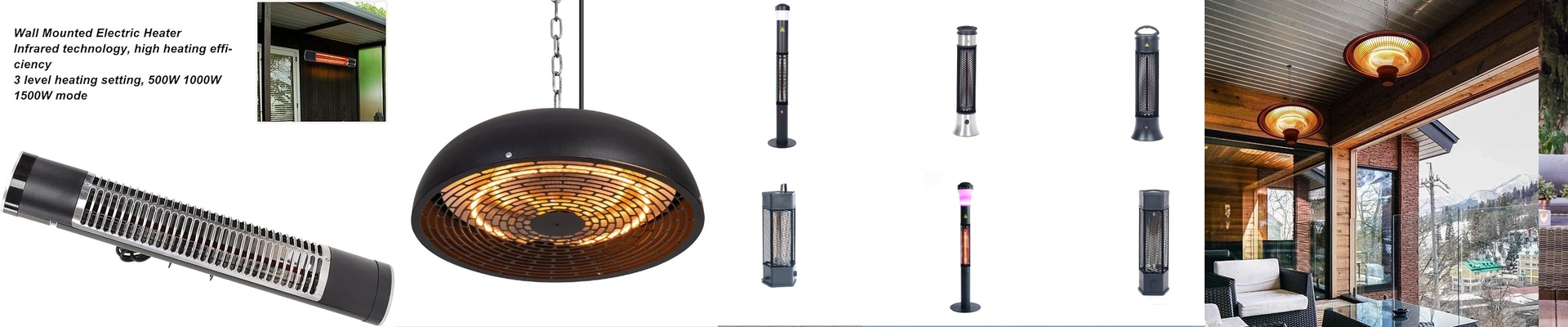
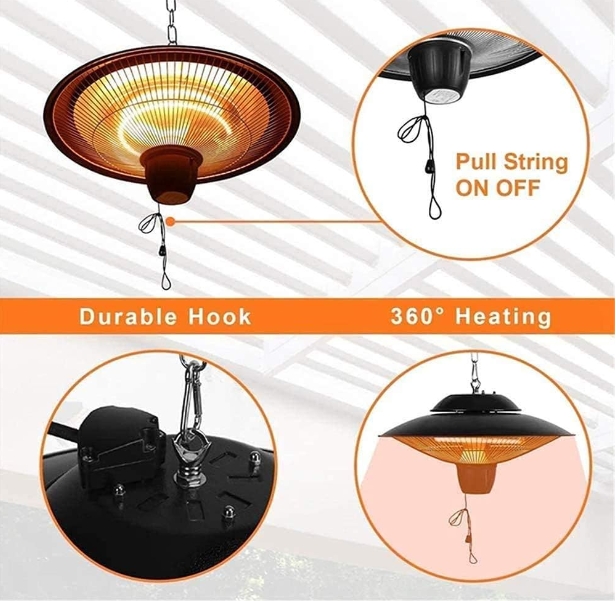
If you’ve ever worked in a cold-climate factory, you know the drill. You walk into the changing room and it’s like stepping into a freezer. Most places try to fix this with forced-air heaters, but it’s a losing battle. The heat just floats straight up to the ceiling, leaving the people on the floor shivering. We do things differently. We use ceiling-mounted infrared heaters. Instead of trying to warm up all that empty air, these units beam heat directly onto the floor and the people standing on it. It’s instant. The second you flip the switch, the heating element hits temperature. Because infrared waves travel at the speed of light, they don’t need to “warm up the room” first. They just hit a solid object—like a worker—and boom. You feel the warmth immediately. We focus all that energy on the “occupied zone” (the first 6 or 7 feet from the floor) and just let the dead air near the roof stay cold. Why pay to heat the rafters? Now, there are a few things to get right during setup. We usually go with short-wave or medium-wave emitters. Short-wave is the way to go for high ceilings because it has the “punch” needed to travel that distance without fading out. But you have to be careful with the wattage. Sure, cranking the power gives you that luxury, five-star warmth, but it can put a massive strain on your electrical board. Plus, if you overdo it without a plan, you’ll end up with “hot spots” where people feel like they’re standing under a heat lamp at a buffet. A simple thermostat or a PID controller fixes this—it just dials the power back once the room feels right. When we install these, we angle them downward to make sure the heat spreads out evenly. One tip: make sure your wiring can handle the initial surge when they kick on. Also, keep in mind that factory environments are brutal. Humidity and grime eat through equipment, so we use moisture-resistant housings to keep the terminals from corroding. And for heaven’s sake, keep the reflectors clean. A thin layer of dust might not look like much, but it can kill your efficiency by 20%. A quick wipe-down saves you a lot of money on your power bill.