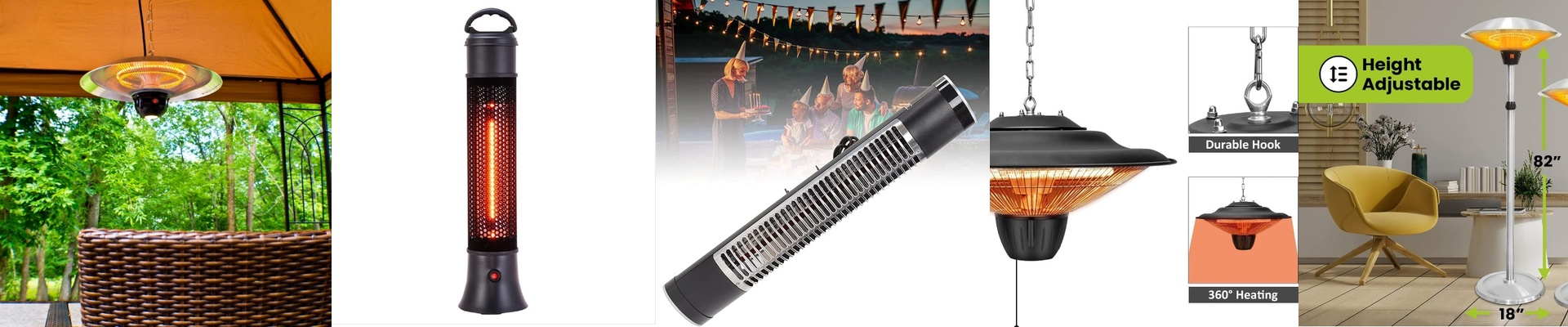
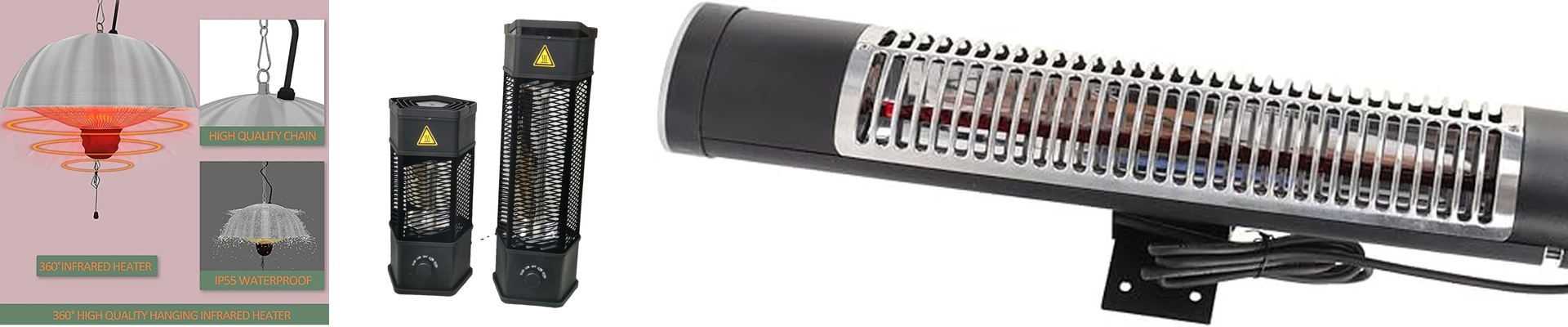
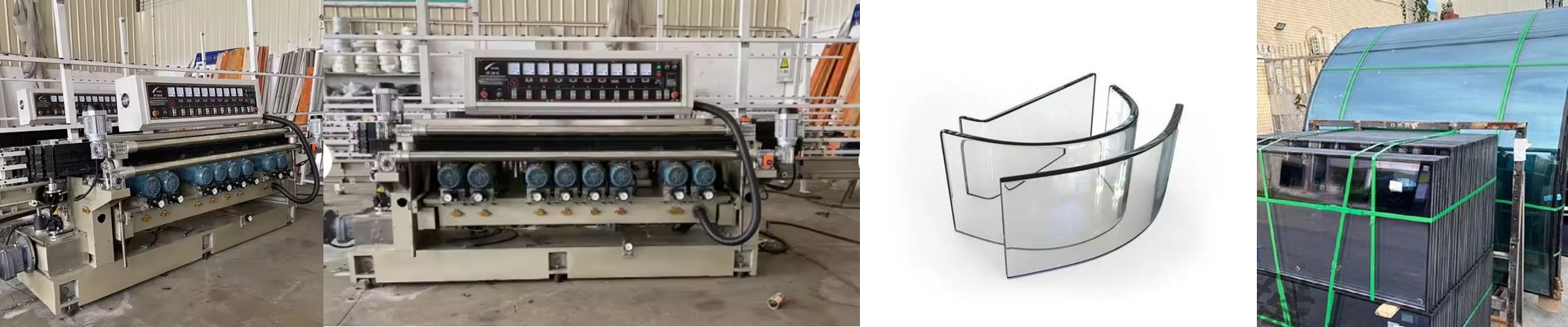
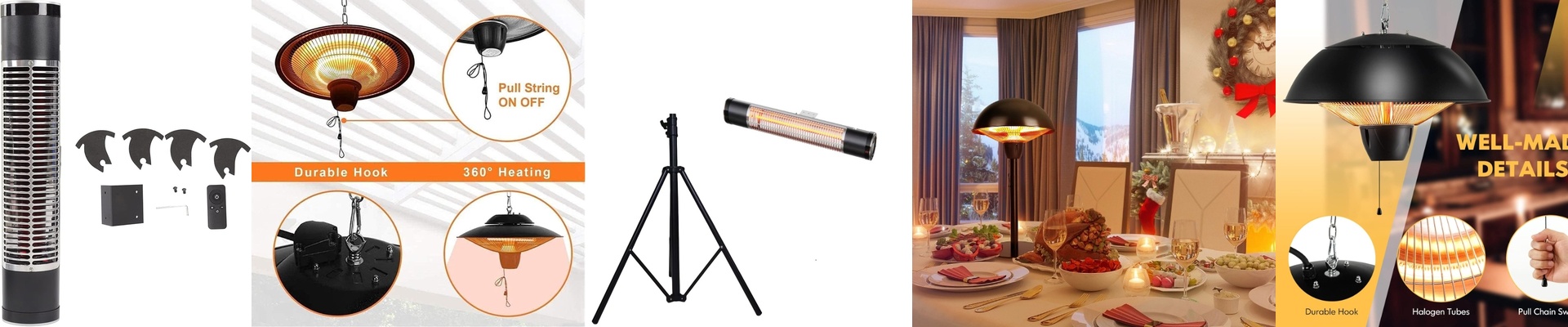
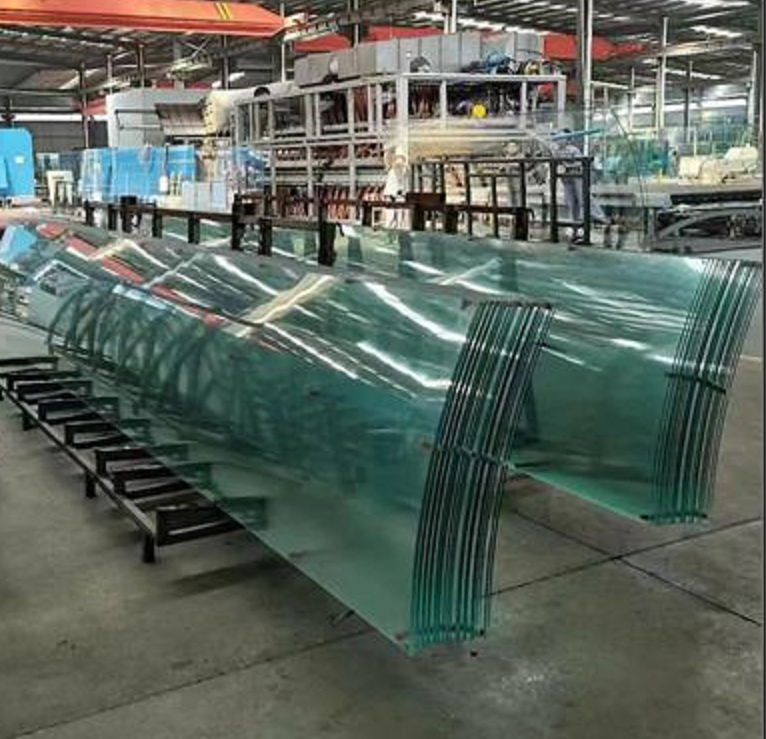
On the line, glass needs heat—not guesswork. When tempering furnaces have to hold tight thermal profiles, or bending stations are chasing repeatable sag curves, uneven heating shows up as optical distortion, thermal stress fractures, and scrap that hits the bottom line. We built a dimmable infrared radiator to cut out that uncertainty, delivering direct-energy heat you can control, so it matches the geometry and cycle demands of actual glass processing. Here’s what matters technically. It leans on near-infrared emission to put energy exactly where you need it—fast, with minimal air movement. The point is response: when you change power, the glass surface temperature moves quickly, so you can follow tight heating curves without overshoot. The output is dimmable across a wide power range, so you can tune intensity to match glass thickness, emissivity shifts from low-E coatings, and the thermal mass of the tooling. The quartz envelope takes thermal shock and stays stable in high-cycle work, and the compact form fits into existing ovens, laminators, and bending stations without reworking the machine envelope. Why it works where we run. In tempering, you need a uniform thermal field to hit compression targets and avoid edge cracks. Dimmable control lets you balance zones—center versus edges—so you cut rejects that come from uneven expansion. In bending, the radiator gives you rapid, localized heating, so the glass hits the desired sag profile faster. Cycle time drops, and repeatability holds across shifts. For lamination and coating drying, controlled infrared energy drives solvent removal and adhesive flow without hot spots. That means fewer bubbles, less haze, and consistent optical clarity. And you use less energy because the heat is applied on demand, not by keeping a big chamber hot between batches. A few things to keep in mind. Installation is straightforward, but the operating window matters. Infrared heating is line-of-sight, so fixture geometry and reflector placement affect uniformity—plan your zones and measure hot spots on the actual tooling. Surface temperature control is strong, but glass with very low emissivity coatings may need slightly higher power density or longer dwell to get the same result. We run trials on the exact stack-up before locking parameters. Expect faster ramp-up and tighter thermal repeatability, but verify clearances and cooling paths so components stay within rated limits.