Stop Fighting With Individual Lamps
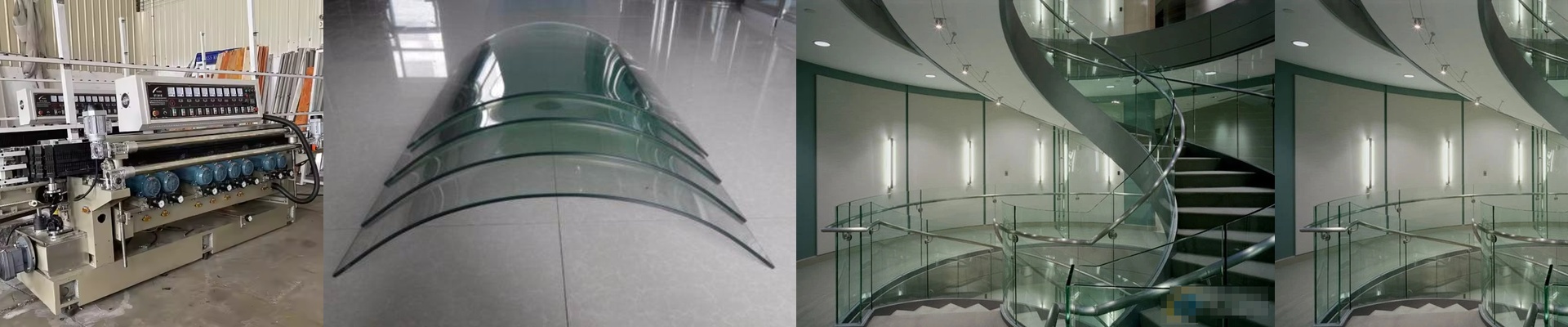
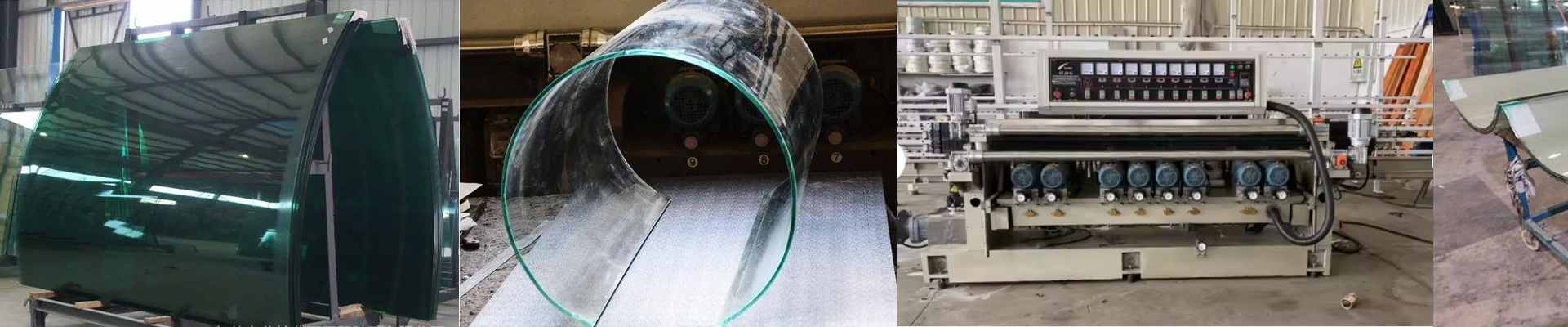
Buying a single quartz lamp is the easy part. The real nightmare starts when you try to cram ten of them into a PET oven or a curved glass bottle cutter. I’ve seen too many shops go down this road. They spend days wrestling with manual wiring, fighting misalignment, and wondering why the heat is hitting some spots and missing others. It’s a massive headache that you just don’t need.
Why a Module Beats a Component
Think of it this way: a standalone lamp is just a part. A heating module is a finished tool. When you go with a pre-assembled, curved module, you can stop worrying about bending supports by hand or wiring a dozen individual sockets. We design these to be “drop-in” replacements. You bolt the module into your frame, connect it to your controller, and you’re done.It just works.
The Heat Factor
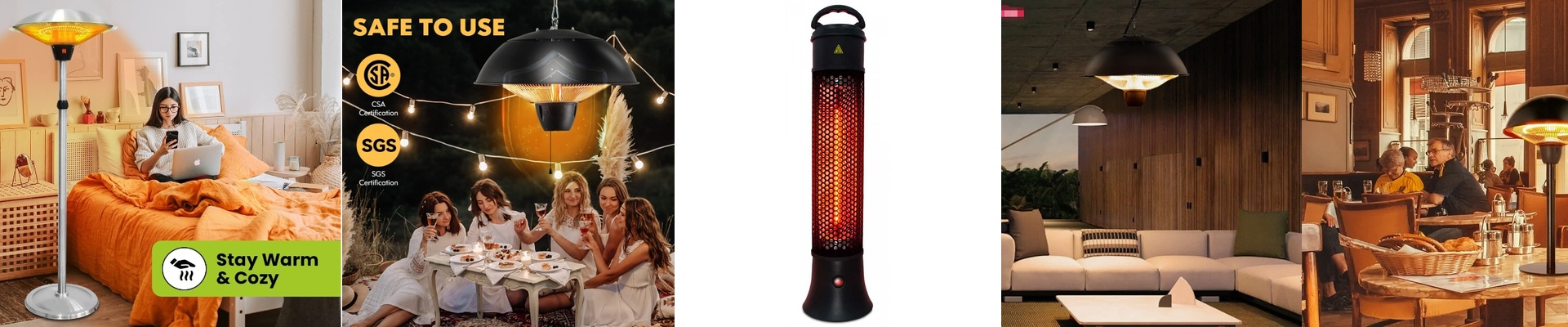
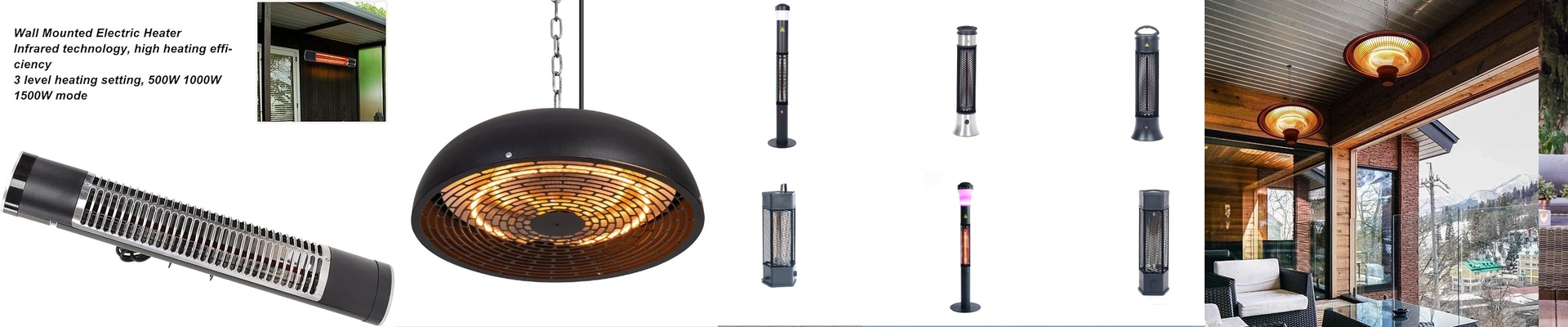
When we put these together, we’re looking closely at the wattage density per linear centimeter. Shortwave lamps are great because they hit hard and fast—which is exactly what you need for glass cutting or plastic forming. But that kind of heat is aggressive. If you pack a high-voltage array into a tight space, your chassis is going to feel it. Here’s a tip: make sure your cooling fans and heat sinks can actually handle the temperature spike. If they can’t, you’ll end up melting your wiring insulation, and then you’re right back to square one.
Getting the Curve Right
If you bend a heating element without the right geometry, you get hot spots. Simple as that. To fix this, we use fixed-position mounting. It keeps the distance between the lamp and your workpiece exactly the same all the way around. This kills that annoying “striping” effect you see in a lot of DIY setups. Look, you could spend the man-hours picking out every single nut and bolt yourself. Or, you could use a system that’s already calibrated and ready for the shop floor. It cuts out the installation errors and gets your line moving way faster.