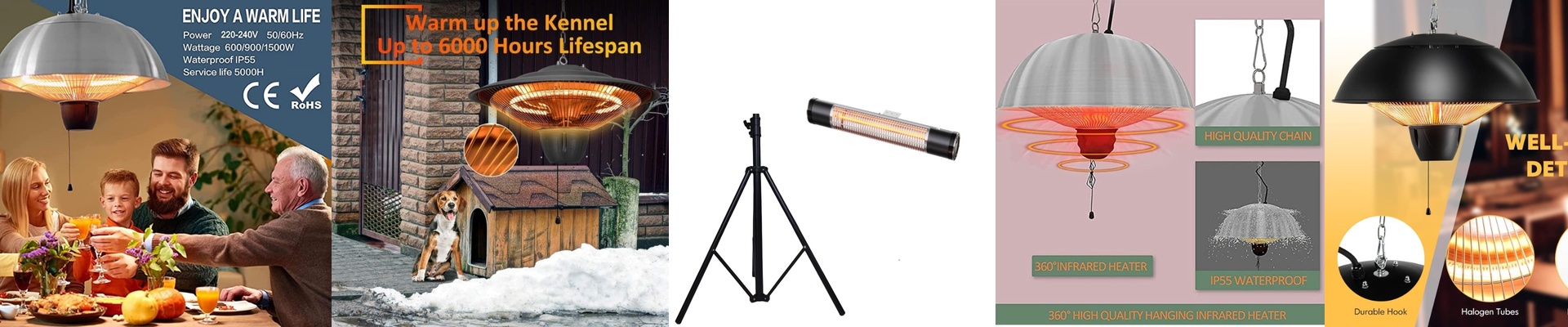
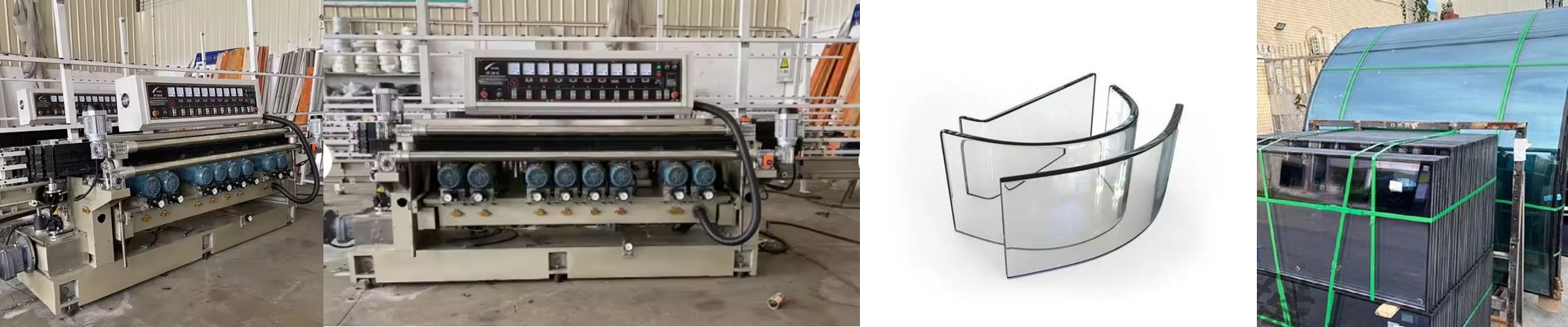
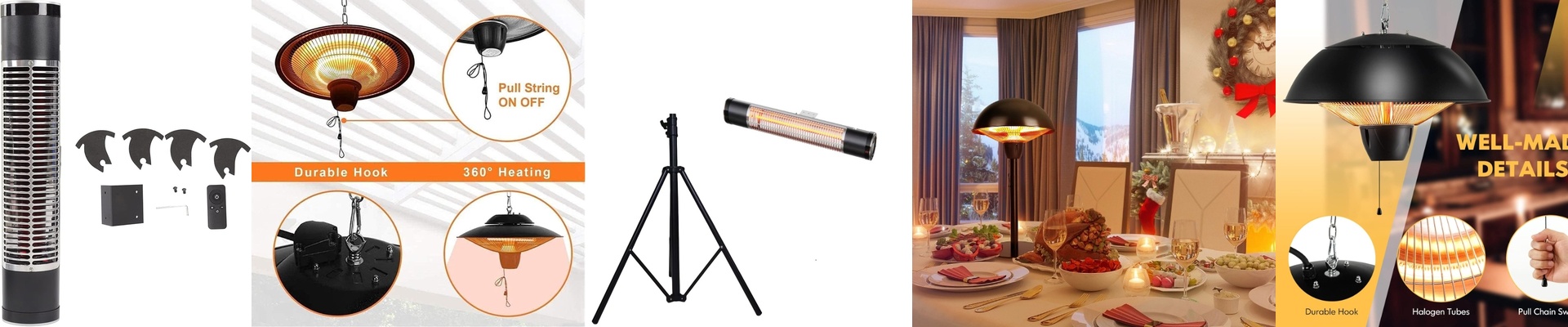
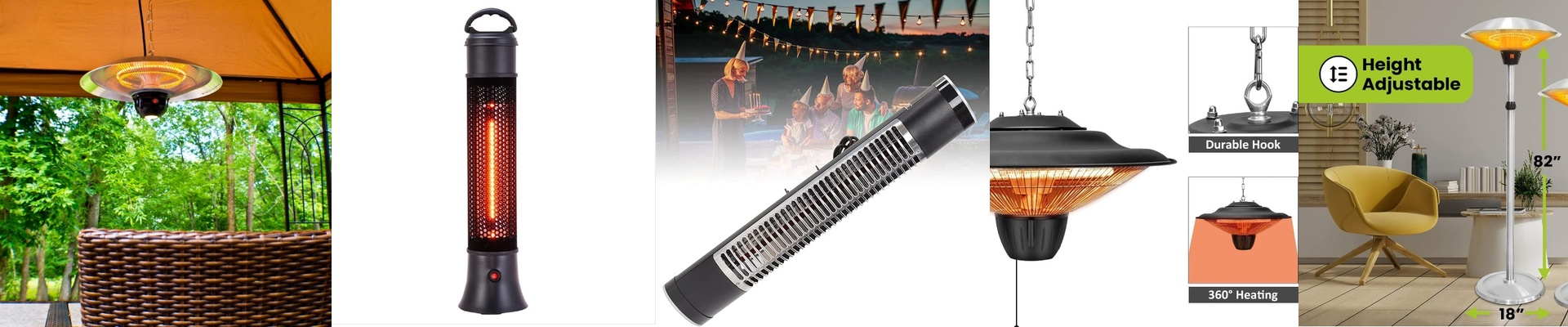
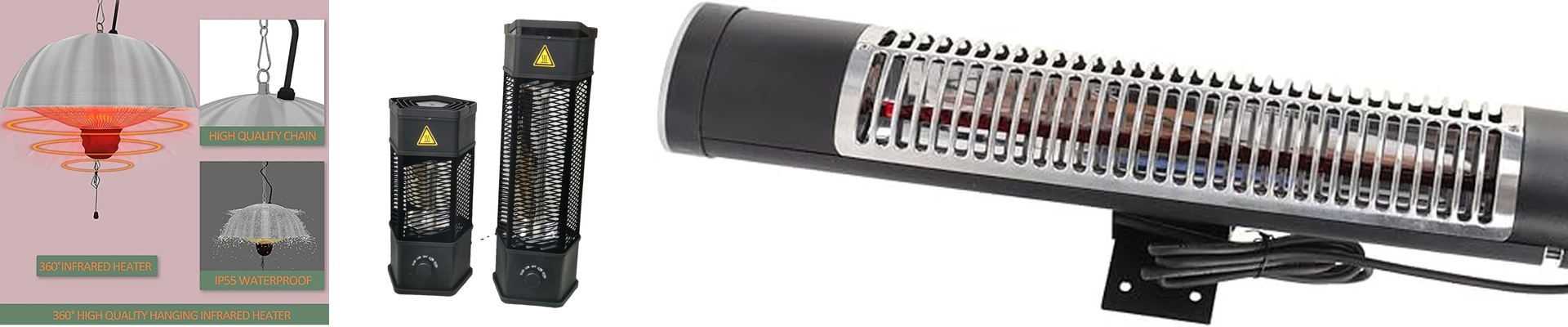
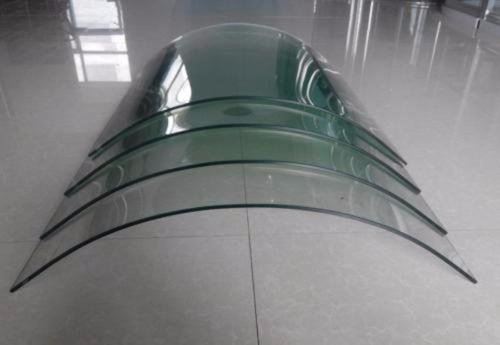
On the glass line, heat isn’t just heat. It’s the lever that decides whether a sheet leaves as product or gets scrapped. When the heating module lags, you pay for it in off-spec bends, tempered glass that fails fragmentation, lamination voids, and wasted energy. And that stainless steel heater housing? Not cosmetic. It’s the backbone that keeps the element stable, the thermal field even, and the process repeatable—shift after shift. We designed this housing for the realities of glass processing: high temperature, relentless duty cycle, and zero room for uneven heat.
What actually matters, technically
A heating module’s performance comes down to four decisions: material, thermal coupling, electrical interface, and control response. **Stainless steel housing.**We use stainless because it holds geometry through thermal cycling. The housing shields the heater core, supports the mounting, and cuts heat loss into the frame. In practice, that means less thermal drift and fewer hot spots that can set up localized stress in the glass. **Element choice matched to the process.**Depending on the machine and temperature profile, we spec short-wave, medium-wave, quartz, or carbon-fiber heaters. For coating drying and lamination preheat, short-wave infrared gives fast response and tight control. For bending and slumping, medium-wave provides deeper penetration with controlled ramp rates. The housing geometry locks the element in a repeatable position relative to the glass path—that’s what makes uniformity possible. **A uniform thermal field.**The housing uses reflectors and thermal baffling to reduce edge losses and keep heat distribution consistent across the width. Uniformity isn’t a slogan; it’s a measurable spread across the active zone. When the field is even, bending curvature stays consistent, tempering bow behaves predictably, and coating issues like pinholes and haze drop off. **Power and electrical interface.**We build the module to the machine’s power class and voltage, with termination and connector options that match common OEM standards. That keeps integration clean. And clean wiring isn’t just tidy—it means fewer hot spots at connections and fewer field failures. **Control compatibility.**The housing works with existing temperature control strategies, including PID and closed-loop feedback from thermocouples or IR sensors. Speed matters because glass processes punish lag: once the temperature chases the setpoint, you risk overshoot, and overshoot shows up as optical distortion or thermal stress.
Why it holds up in real glass work
Glass processing demands three things that often fight each other: speed, uniformity, and repeatability. A stainless steel heater housing delivers on all three. **In tempering, you need rapid, uniform heat to hit the quench window.**Hot bands or cold edges make the glass cool unevenly, and the stress profile drifts. The result shows up as fragmentation failures or unstable optical performance. With a housing that stabilizes the thermal field, the heating profile stays consistent, and the quench becomes repeatable. That’s how you protect yield. **In bending, you need controlled ramps and stable dwell temperatures.**Uneven heat creates unpredictable sag and edge effects. The stainless housing keeps the element positioned and the heat contained, so the temperature across the glass matches the process intent. That means fewer reworks and less operator tweaking. **In lamination, you need precise preheat to drive out moisture and activate the adhesive without boiling it.**Too fast, and you get bubbles. Too slow, and you kill cycle time. The housing geometry supports even heat delivery, which keeps film activation uniform and cuts void formation. On the line, that translates to fewer delaminations and steadier speed. **In coating drying and curing, repeatable temperature control protects film quality.**Coatings are sensitive to hot spots and rapid swings. The housing helps stabilize the thermal environment so the coating cures evenly across the sheet. That’s how you keep gloss, adhesion, and durability in spec. Energy use is a process variable, too. A well-contained heating module reduces wasted heat, which lowers the load on cooling and ventilation. That’s not theory—less wasted heat means lower kWh for the same throughput. And when the housing is engineered as a drop-in module, downtime drops. Replacement becomes maintenance, not a redesign.
What you need to keep in mind
Stainless steel housings are tough, but they’re not set-and-forget. Plan for these real-world constraints. **Mounting and alignment matter.**The housing has to sit flat and secure against the machine throat or chamber. Any gap, and heat leaks out while the temperature profile drifts. Use the hardware and shimming that match the machine tolerances—don’t improvise. **Clearance and airflow are non-negotiable.**Keep the housing clear of obstructions and maintain the designed air path. Crowding the housing shortens element life and can damage nearby components. If your line runs hot, plan spacing and ventilation accordingly. **Match the element to the task.**Short-wave is great for fast response and coating work, but it isn’t the right call for every bending profile. Medium-wave can handle thicker sections, but it needs different control tuning. Tell us your glass thickness range, line speed, and temperature targets. We size the element and housing together. **Treat electrical connections seriously.**High current, high temperature, and vibration don’t forgive loose terminations. Use the right crimp, the right connector, and a torque-checked terminal block. A bad connection turns into heat, and heat turns into failure. **Plan for warm-up.**The housing and element come up fast, but they still need time to equalize. If you chase setpoint immediately, you risk overshoot. Program the ramp as part of the process. If you’re running a glass line—tempering, bending, lamination, or coating—heat is the lever that controls yield, quality, and uptime. A stainless steel heater housing gives you a stable platform to pull that lever precisely. Tell us your machine model, power constraints, and the glass processes you run. We’ll match the housing, element, and interface to the work you do every day.