High Power Electric Heaters: The Real Deal on Specs, Design, and Getting the Job Done
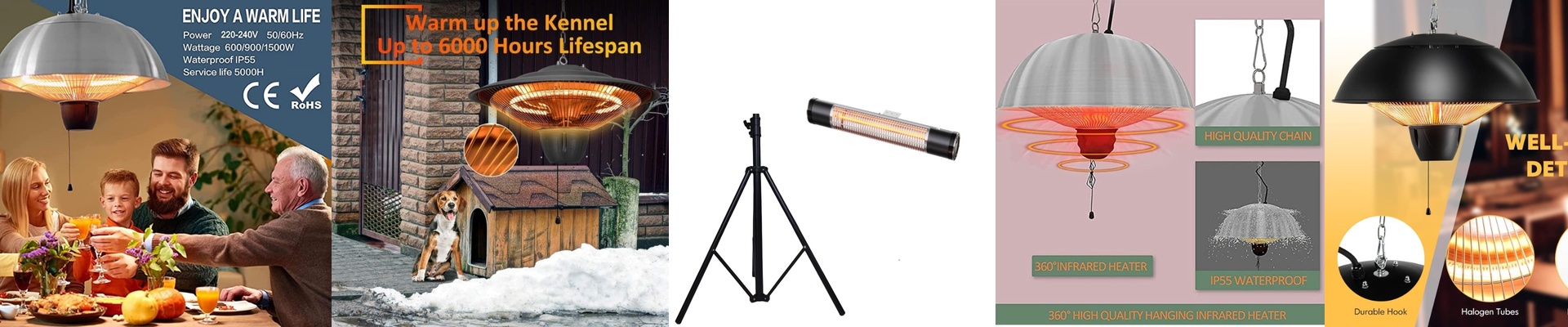
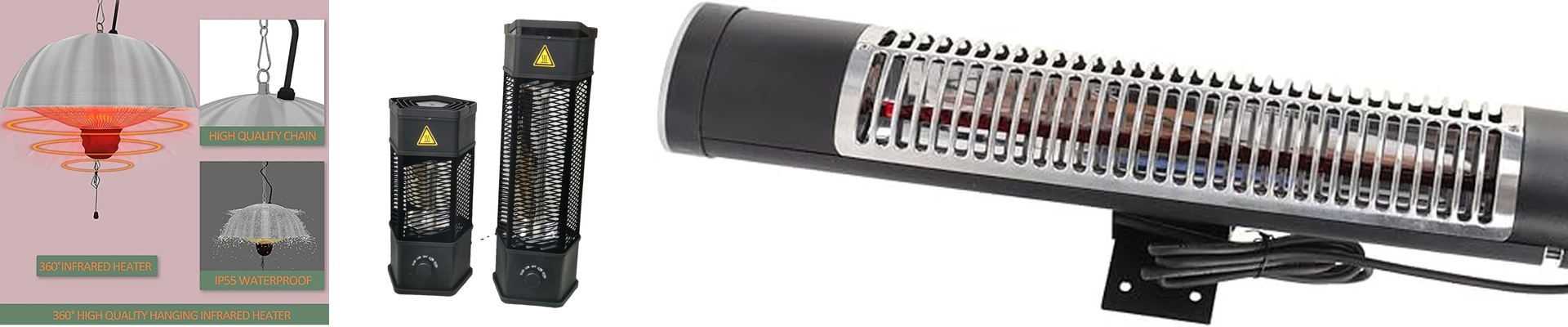
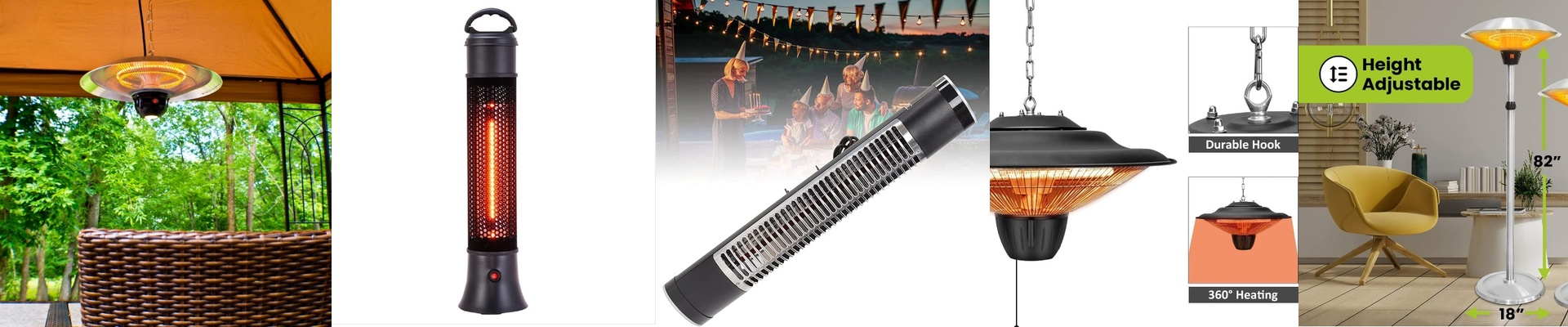
Let’s talk about high-power electric heaters, specifically those halogen infrared tubes. These things are workhorses—built for industrial heating where you need heat, fast, and packed into a small space. We’re talking serious power: 400V and 2500W. It’s the kind of muscle that gets the job done, but it’s smart about it. When you wire them up right, they deliver that kind of heat without tripping over the circuitry.
Power, Voltage, and Size—What It All Means for You
So, why 400V? It’s the secret to running long heaters at high wattage without the current going through the roof. This keeps the voltage drop in check, which means you can run longer cables without needing thicker, heavier wire. Then there’s the 300mm length. It’s compact, but it concentrates all that heat into one precise spot. Perfect for those tight spots inside machinery or when you need to heat a very specific path. And that 2500W output? The heat comes on fast. Seriously fast. But that also means you need a control system and thermal setup that can keep up. They have to be a proper match for the power you’re bringing to the table.
What’s Inside? The Materials That Make It Tough
The halogen elements are what keep the filament steady, even when things get scorching. This helps the heater hold its output over time and handles those on-off cycles without burning out. You’ve got a quartz tube, too, with a reflective coating. It keeps the energy focused outward where you need it and shields the element from getting gunked up. And the R7s connector? It’s a simple, direct fit for standard sockets. When it’s time for a replacement, you can get it done in minutes. No fiddling, no long downtime on the shop floor.
Where They Shine and What to Watch For
These heaters are a go-to for jobs like PET blowing, where you need heat right now, in one specific spot. The combo of high wattage, 400V operation, and that compact 300mm size makes for a pretty straightforward upgrade. Just keep one thing in mind. That intense heat density is powerful, but it also means you need proper cooling and shielding. You’ve got to protect the components nearby from that kind of concentrated energy.