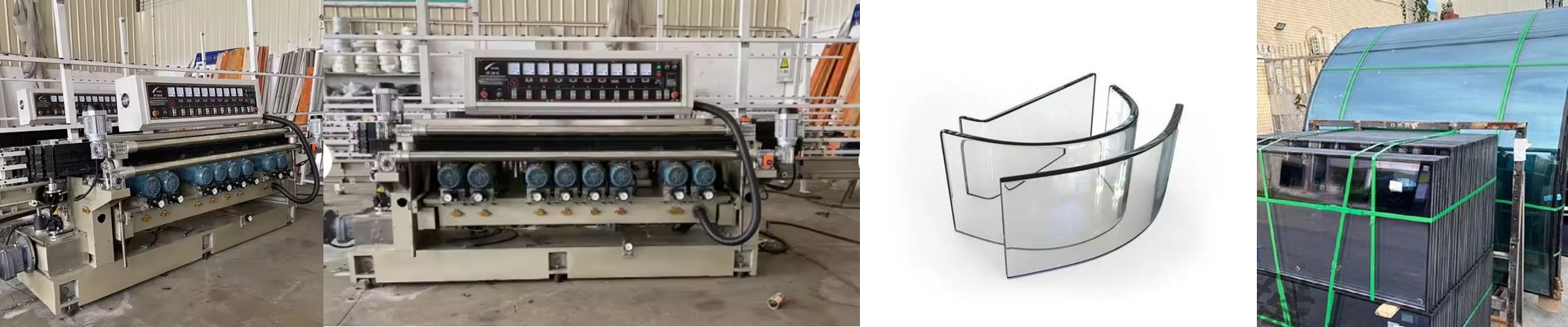
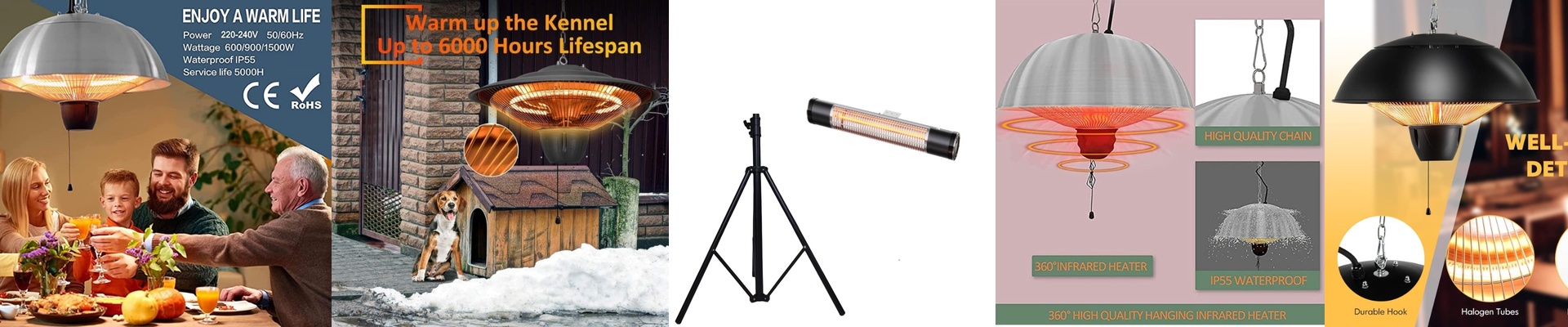
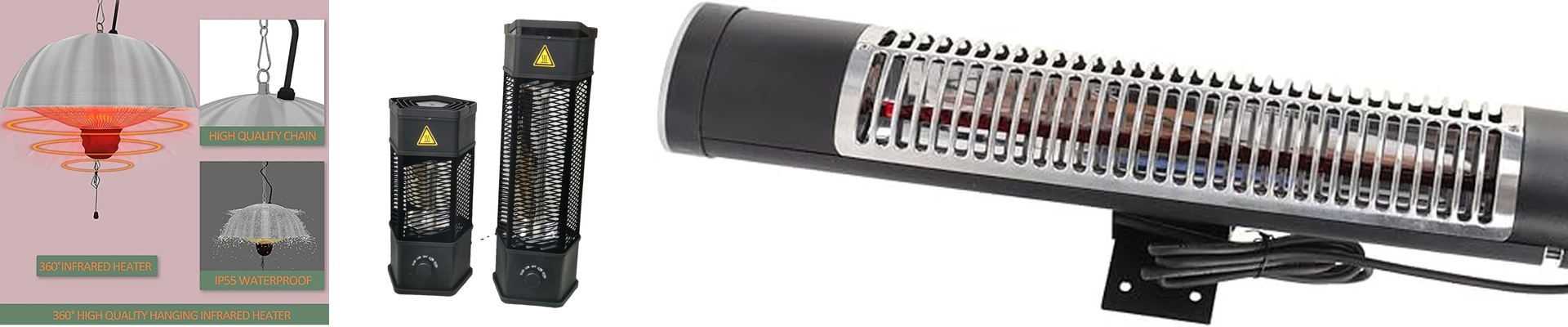
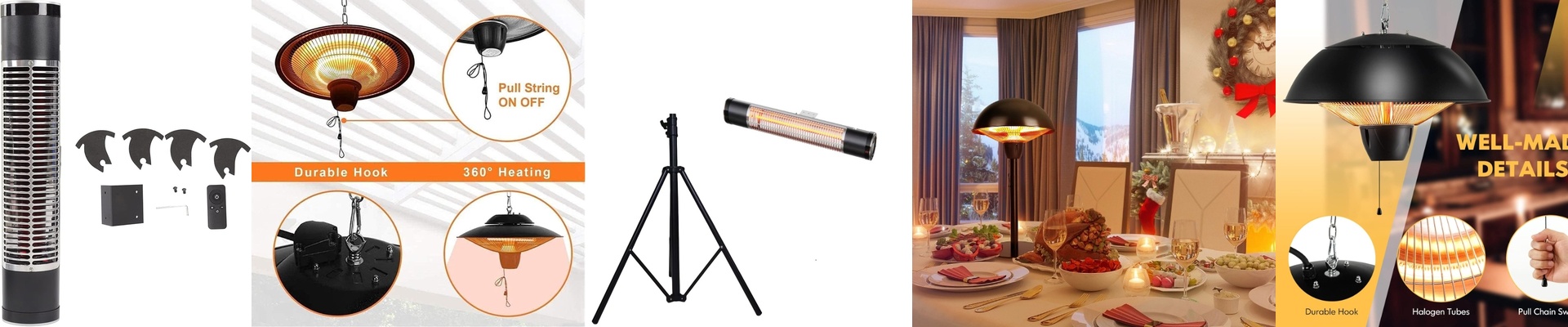
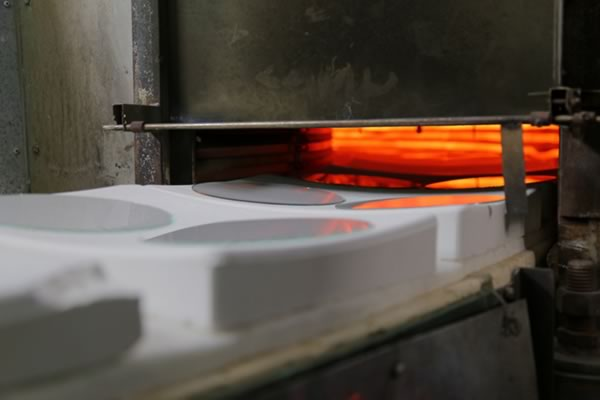
On the plant floor, seconds and kilowatt-hours are the currency. If heating doesn’t deliver fast, even energy, you start seeing warp, thermal stress cracks, and lamination or coating adhesion that falls apart. What you need is heat that hits the setpoint fast, holds the profile, and doesn’t waste power. Here’s what matters technically. The 2000W halogen infrared lamp uses a compact quartz envelope to deliver short-wave radiation at high intensity. That wavelength is absorbed strongly by glass and many coatings, so the energy goes straight into the workpiece instead of heating the air around it. The 2000W rating gives you the power density needed for a fast temperature ramp in tempering, bending, and lamination preheat, while the focused beam keeps thermal control tight across the zone. Response is immediate, and on/off control keeps dwell short and repeatable. That stabilizes the heating curve and cuts scrap from overheating or cold spots. Why it works in glass processing. Speed and consistency drive yield. This lamp shortens heating cycles, so lines can run faster without giving up quality. The concentrated heat cuts convective losses and keeps the thermal field even, which lowers the risk of optical distortion and breakage from thermal stress. Energy use drops because the lamp spends less time idling and more time doing useful work. Many lines see a measurable reduction in kWh per part. The payoff is lower operating cost per unit and output that’s predictable, shift after shift. A few practical notes. Installation is straightforward, but alignment is everything. Position the lamp so the beam covers the target zone evenly, and keep reflectors clean so intensity stays consistent. Make sure your machine’s socket, mounting, and control interface match the lamp specs. Because the output is intense, shield adjacent components and verify cooling and ventilation around the lamp are adequate. Handle with care—quartz is tough, but it can be brittle if you mishandle it during changeover.