Workshop Halogen Heater: The Quick, Focused Heat You Need
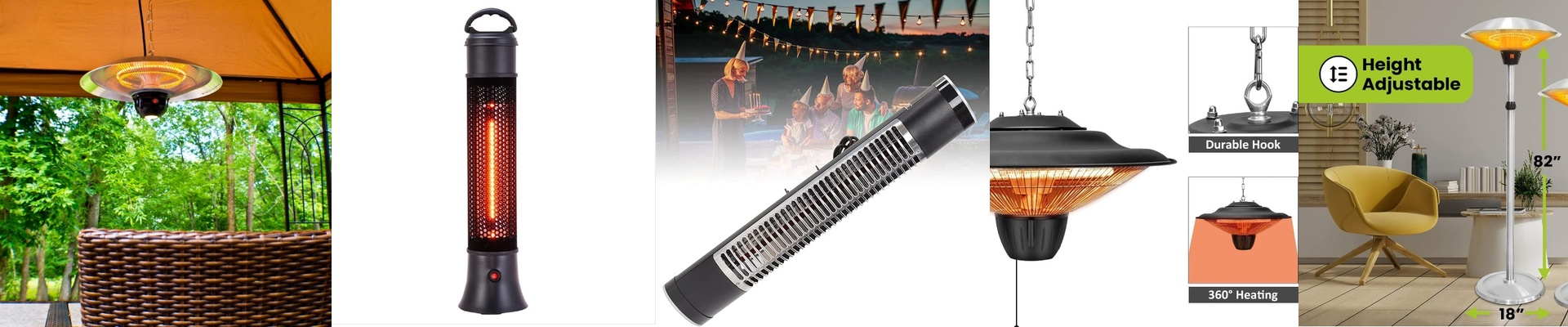
We built this heater for one reason: to give you intense warmth, right where you need it. It’s a compact powerhouse, perfect for spot heating, warming up machine enclosures, or keeping a specific process running. Forget trying to heat the whole building. This thing gets straight to the point.
The Inside Story
Let’s talk specs, but the real-world kind. It runs on a 400V supply, which is a big deal. That means more power in a smaller package, and it keeps the current draw down on your circuit. Less strain on your wiring. Less hassle for you. The 300mm tube concentrates the heat into a tight beam. You’re not wasting energy warming empty air. You’re aiming a focused blast right at a work surface or a stubborn part. And with 2500W of output, it’s serious. This isn’t for dainty jobs. Respect the power. Make sure your fixture and the wiring around it can handle the heat.
What Makes It Tick
The magic is in the halogen tech. It keeps the filament screaming hot, which means you get a strong blast of infrared heat that kicks on almost instantly. The quartz envelope is tough. It can handle the extreme temperature swings without cracking under the pressure. The R7s base is simple and reliable. It’s a straightforward connection that just slips right into standard holders. Easy swap, no fuss. Now, the coating on the tube helps control the light and keeps things stable. But don’t let that fool you—this thing gets seriously hot. Treat it with the same respect you’d give any industrial heater. Burns are real.
How It Works for You
Out in the shop, this heater shines. Think about thawing frozen lines, warming up adhesives for a clean bond, pre-heating bearings before an install, or keeping delicate electronics safe from condensation. It’s the go-to for those small, critical zones. Because the heat is so focused, you run shorter cycles and waste less energy when things are idle. The catch? That intense heat density means you need to plan your setup. Give it proper clearance. Make sure you’ve got ventilation. Get that right, and you’ll have predictable, on-demand heat, every single time.