The Secret to Not Breaking Your Glassware
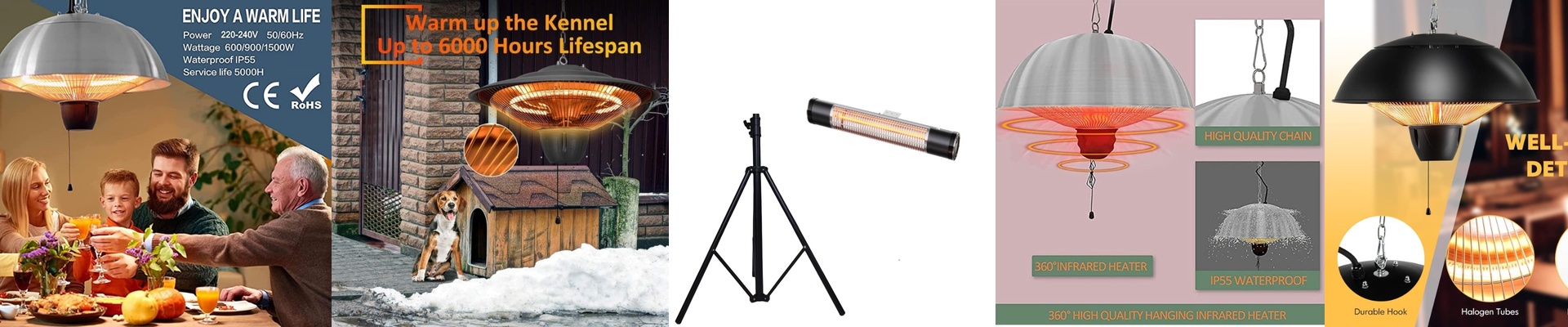
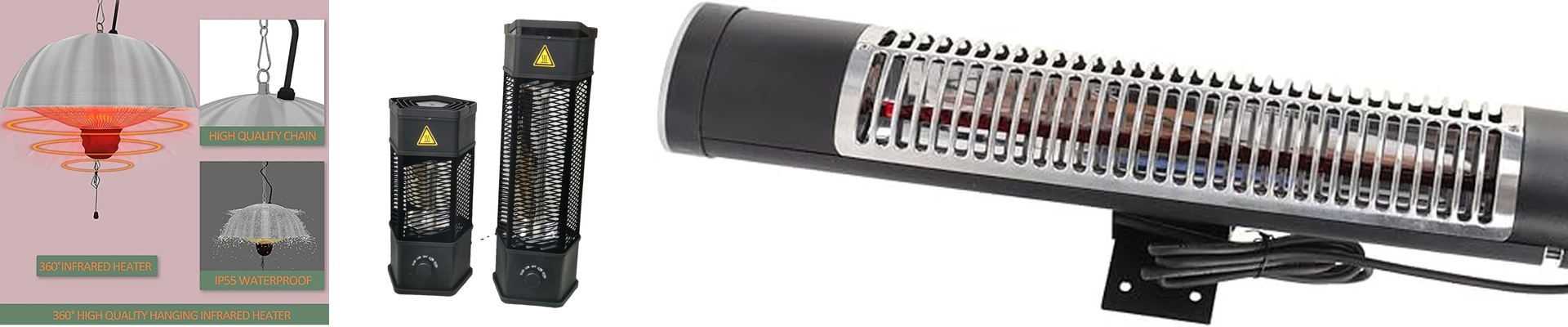
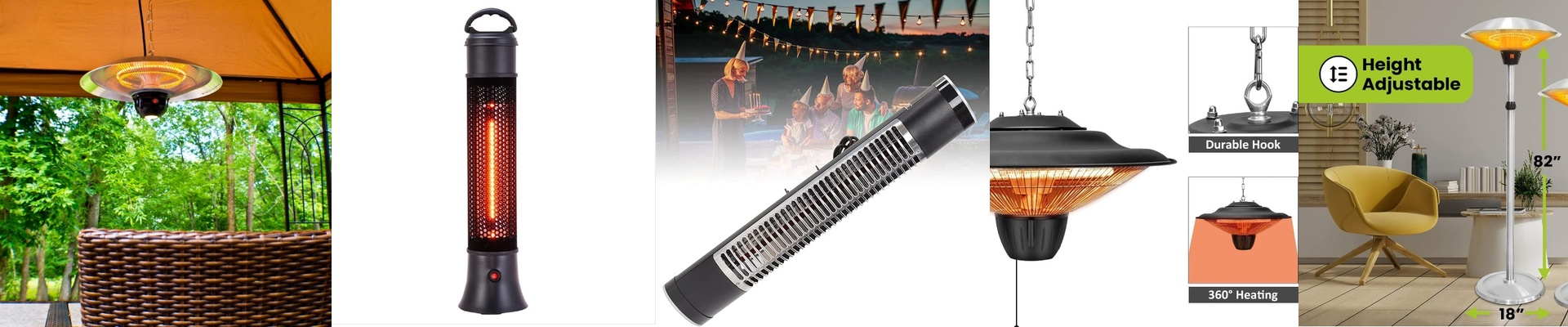
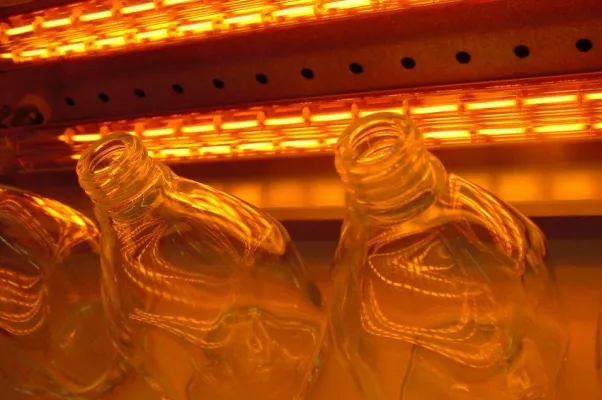
Anyone who’s worked with lab-grade glass knows that one bad cooling cycle can ruin everything. You spend hours on a piece, only for it to crack because the temperature swung by a couple of degrees. It’s frustrating. That’s why we’re obsessed with a 0.1°C precision window. To get there, we use quartz halogen emitters. They react fast. Really fast. And that speed is exactly what you need when your PID loop is trying to keep things steady.
Why that tiny 0.1°C difference actually matters
When you’re annealing, you’re working in a very tight window. If the heat spikes? Your vessel might deform. If it dips? You’re left with internal stress that’s just waiting for a reason to shatter. We use halogen bulbs because they’re linear. This means the controller can trim the power in real-time, stopping that “thermal shock” before it kills your thin-walled glass.
A quick look at the physics
Here is how it works: you’ve got a tungsten filament inside a quartz envelope filled with halogen gas. The gas keeps the filament from evaporating too quickly, so the lamps actually last. But the real magic is the quartz. It lets short-wave infrared (SWIR) pass right through. Instead of the lamp absorbing the heat, the energy goes straight into the glass surface. One heads-up: these things getinsanely hot. If you’re running high wattages, standard wiring will literally melt. Stick with nickel-plated or ceramic leads if you don’t want your connection points to burn out.
The trade-offs you should know about
The bulb is only half the battle. You can’t just plug it in and expect magic. You’ll need a fast-acting SSR (Solid State Relay) and a thermocouple that actually knows what it’s doing. Plus, keep an eye on your insulation. If your housing leaks heat, the emitter has to work overtime to keep up. That puts a lot of pressure on your power supply. Make sure your cooling fans can handle the ambient heat buildup, or you’ll end up frying your quartz array prematurely.