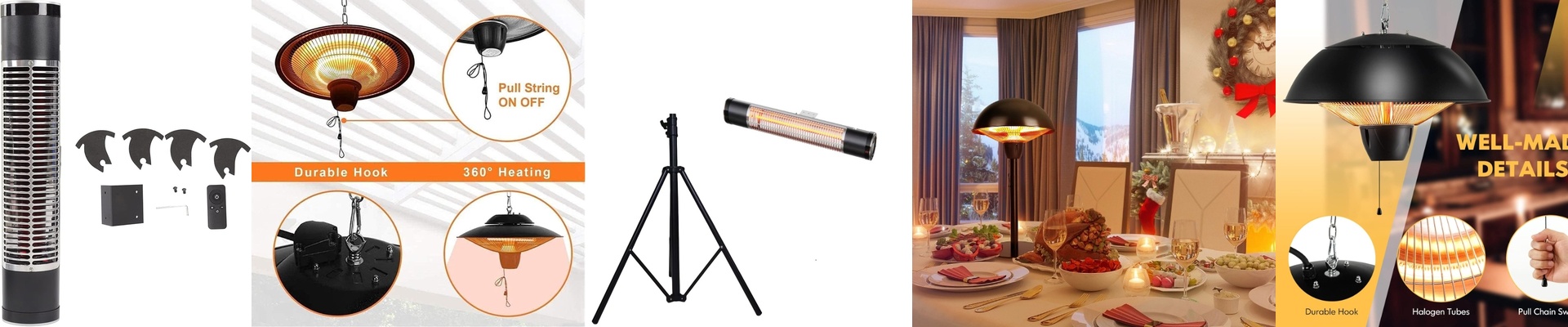
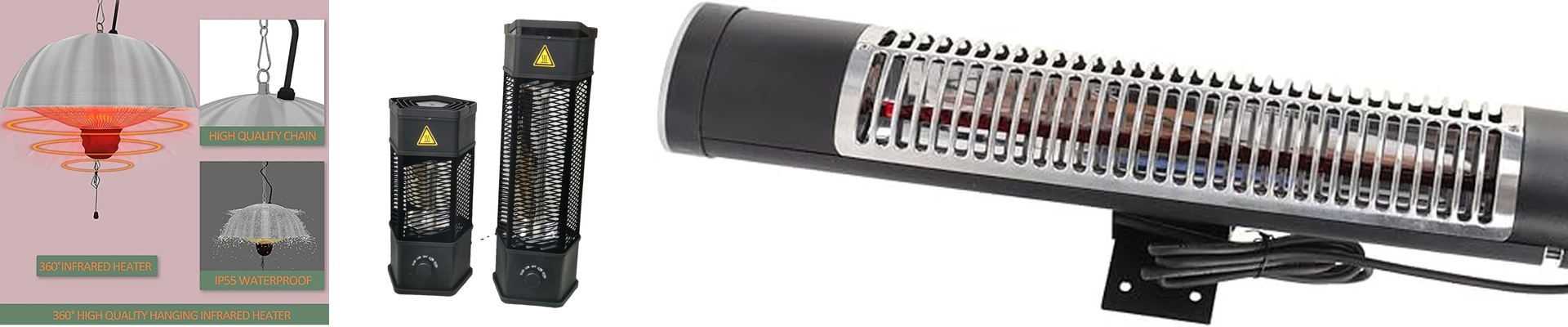
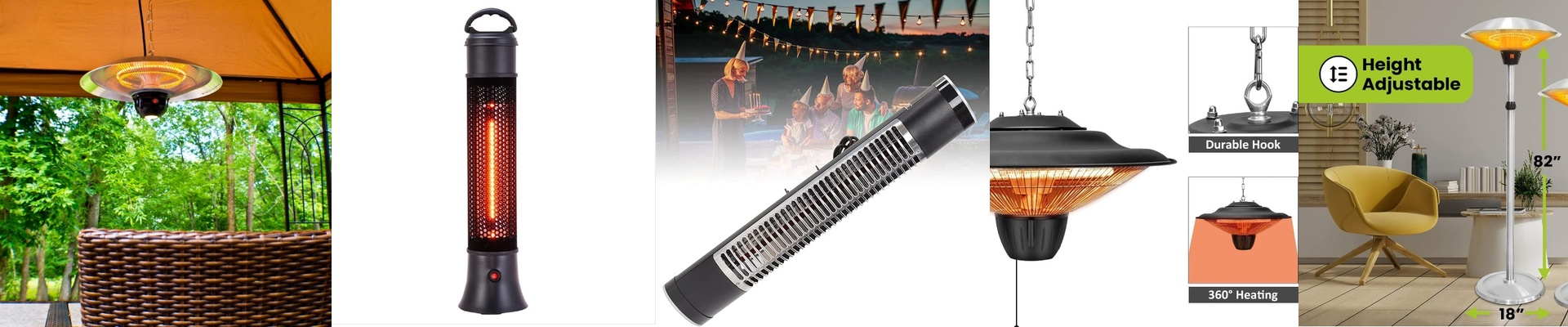


Winter hits offices in a way that’s hard to put your finger on. You’re sitting there, the thermostat says one thing, but your hands and wrists tell another story. Comfort drains, focus goes with it, and it feels like bugs get a free pass around the room. Turning up the central heat just blasts dry air and makes the problem worse. What works is adding a solid infrared electric heater—the kind that warms people and surfaces directly, not the air around them.
What matters, under the hood
Infrared electric heaters run on radiant heat, not convection. You get a clean, instant-on element—usually a carbon fiber element or a quartz tube—throwing warmth outward that gets absorbed by desks, chairs, and skin. In a 120V office, a typical unit puts out 1,500W of focused comfort. You’ll usually find a built-in thermostat to hold output steady, plus tip-over protection that cuts power if the heater gets knocked over. The payoff is heat that feels natural, with no fan noise and less air movement to stir up dust.
Why this makes sense in an office
Comfort in an office isn’t a perk. It’s a performance lever. Radiant warmth keeps wrists and shoulders loose, which helps with typing and cuts down on fatigue. Because the heat is local, you can run the main HVAC lower—saving energy while keeping the spots people actually occupy at the right temperature. People warm up faster, so meetings start with less fidgeting and more attention. Over the winter months, fewer shivering interruptions and more stable warmth can translate into steadier output and healthier teams.
The practical stuff—placement and expectations
Infrared heaters are easy to set up, but placement matters. Keep the unit 3 to 6 feet from people, aimed toward work areas, and off direct line-of-sight to avoid glare. Radiant heat warms what it hits, so don’t aim it at plastic plants or sensitive gear. Most models plug into a standard outlet, but they should run on a dedicated circuit. And here’s the part that trips some people up: because radiant heat warms objects, surfaces can feel warm while the air still reads a bit cool. Pair it with gentle air circulation, and the overall feel comes together.
ฤดูหนาวส่งผลต่อสำนักงานในลักษณะที่ยากจะระบุชัดเจน คุณนั่งอยู่ตรงนั้น เทอร์โมสแตทแสดงอุณหภูมิหนึ่ง แต่มือและข้อมือของคุณกลับบอกอีกเรื่อง ความสบายลดลง การจดจ่อก็หายไป และรู้สึกเหมือนมีแมลงเดินทั่วห้องโดยไม่มีใครขัดขวาง
การปรับเพิ่มความร้อนกลางเพียงแค่เป่าลมแห้งและทำให้ปัญหารุนแรงขึ้น วิธีที่ได้ผลคือการเพิ่มเครื่องทำความร้อนแบบอินฟราเรดไฟฟ้าที่มั่นคง—ชนิดที่ให้ความร้อนแก่คนและพื้นผิวโดยตรง ไม่ใช่การทำความร้อนในอากาศรอบตัว
สิ่งที่สำคัญภายใต้ระบบทำงาน
เครื่องทำความร้อนอินฟราเรดไฟฟ้าทำงานด้วยความร้อนแผ่รังสี ไม่ใช่การพาความร้อน คุณจะได้องค์ประกอบที่สะอาด เปิดใช้งานทันที—โดยทั่วไปเป็นองค์ประกอบไฟเบอร์คาร์บอนหรือหลอดควอตซ์—ซึ่งปล่อยความร้อนออกไปที่ถูกดูดซับโดยโต๊ะ เก้าอี้ และผิวหนัง
ในสำนักงานที่ใช้ไฟ 120V เครื่องแบบทั่วไปจะให้ความสบายที่โฟกัสได้ 1,500W โดยปกติจะมีเทอร์โมสแตทในตัวเพื่อควบคุมกำลังไฟให้คงที่ พร้อมระบบตัดไฟเมื่อเครื่องล้ม ความร้อนที่ได้จะให้ความรู้สึกเป็นธรรมชาติ ไม่มีเสียงพัดลมและการเคลื่อนไหวของอากาศน้อยลงจึงก่อฝุ่นน้อยกว่า
เหตุผลที่เหมาะสมในสำนักงาน
ความสบายในสำนักงานไม่ใช่สิ่งพิเศษ แต่เป็นตัวเร่งประสิทธิภาพ ความร้อนแผ่รังสีช่วยให้ข้อมือและไหล่ผ่อนคลาย ซึ่งช่วยในการพิมพ์และลดความเหนื่อยล้า
เนื่องจากความร้อนอยู่ในพื้นที่จำกัด คุณจึงสามารถปรับระบบ HVAC หลักให้อยู่ในระดับต่ำลง—ประหยัดพลังงานแต่ยังรักษาอุณหภูมิในจุดที่คนใช้งานจริงได้เหมาะสม ผู้คนจะอุ่นขึ้นเร็วขึ้น ทำให้การประชุมเริ่มต้นด้วยการเคลื่อนไหวน้อยลงและมีสมาธิมากขึ้น
ในช่วงฤดูหนาว การหยุดชะงักจากการหนาวสั่นน้อยลงและความร้อนที่เสถียรขึ้นสามารถแปลเป็นผลผลิตที่คงที่และทีมงานที่มีสุขภาพดีขึ้น
เรื่องปฏิบัติ—การวางตำแหน่งและความคาดหวัง
เครื่องทำความร้อนอินฟราเรดติดตั้งง่าย แต่การวางตำแหน่งมีความสำคัญ ให้เครื่องอยู่ห่างจากคน 3 ถึง 6 ฟุต โดยชี้ไปยังพื้นที่ทำงาน และหลีกเลี่ยงการวางในแนวสายตาโดยตรงเพื่อป้องกันแสงสะท้อน
ความร้อนแผ่รังสีจะทำความร้อนกับสิ่งที่มันกระทบ ดังนั้นอย่าชี้ไปที่ต้นไม้พลาสติกหรืออุปกรณ์ที่ไวต่อความร้อน รุ่นส่วนใหญ่เสียบปลั๊กกับเต้ารับมาตรฐาน แต่ควรเดินสายไฟแยกเฉพาะ
และนี่คือจุดที่ทำให้บางคนสับสน: เนื่องจากความร้อนแผ่รังสีทำความร้อนกับวัตถุ พื้นผิวอาจรู้สึกอุ่นในขณะที่อากาศโดยรอบยังเย็นอยู่เล็กน้อย ควรใช้ร่วมกับการหมุนเวียนอากาศเบา ๆ เพื่อให้ความรู้สึกโดยรวมสมดุลกัน