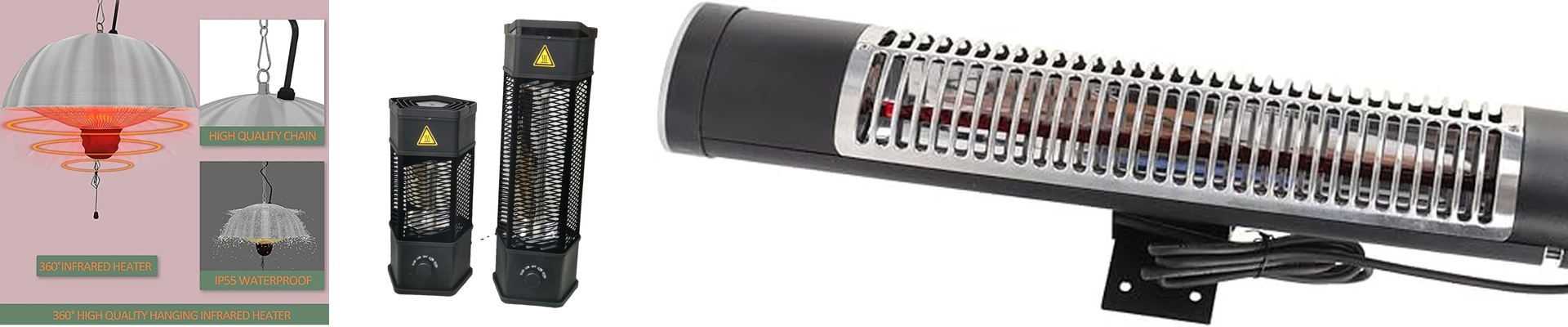
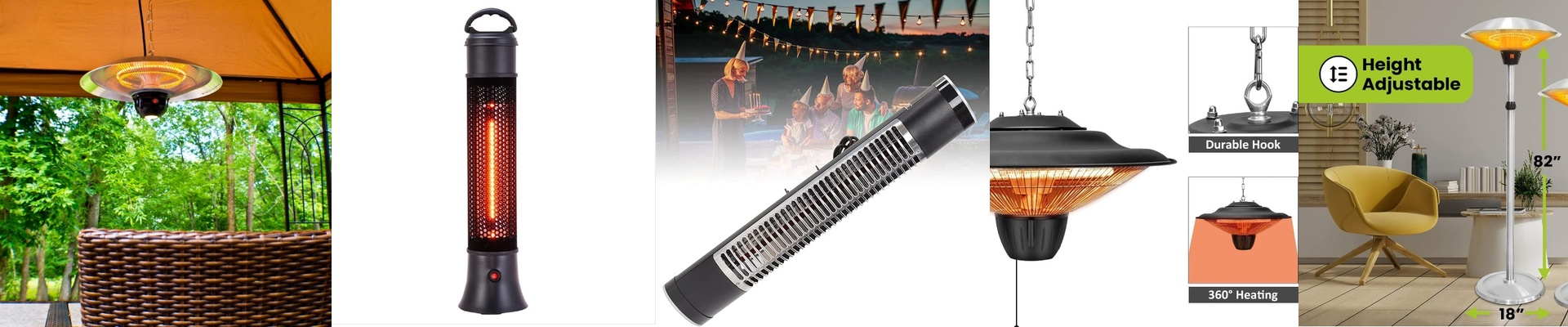
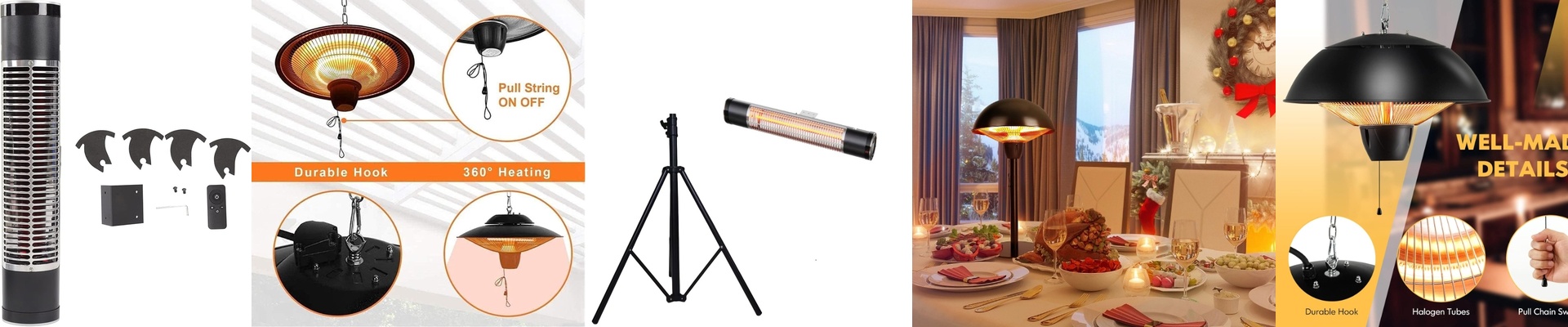
Cold hits fast—whether you’re pouring a sunrise espresso at a corner café or waiting on a late-night platform. Hands stiffen, service slows, and people just stop moving when the heat can’t keep up. Drafty entries, open waiting halls, and those indoor-outdoor transitions make conventional heating a slow, expensive mess. Infrared electric heaters cut through that by delivering warmth you feel the second you step into range. What matters under the hood We build these around quartz tube elements that throw radiant heat straight onto people and surfaces, not the air. That means immediate comfort, not a long slog waiting for a room to warm up. Match the power to the space and traffic with 1.5 kW to 3.0 kW options, and pick 120 V or 240 V models with standard NEMA plugs for straightforward plug-and-play. A built-in thermostat keeps things steady, while tip-over protection and an overheat cutoff keep operation safe. For exposed spots, look for IP34 or higher to keep splashing water and dust out. Here’s why this works in the real world. Coffee shops, train stations, and transit hubs need heat that shows up fast and stays consistent. Infrared warmth targets patrons and staff where they actually stand, so lines move, seats stay filled, and staff can work without freezing. Because the heat is directed, you’re not wasting energy trying to warm ceiling air that just drifts out through doorways and high roofs. The upshot is lower operating cost, fewer drafts, and a more comfortable experience for everyone passing through. Placement makes all the difference. Mount heaters 6–8 feet high, about 6–12 feet from occupants for even coverage, and keep them out of direct line-of-sight to eyes. Maintain clearance from combustibles and fabrics, and always check local codes for commercial installations. Even with an IP rating, in very wet weather, position heaters so the element stays shielded from driving rain. For best performance, pair with an outdoor-rated thermostat and a dedicated circuit to keep everything stable.
ความเย็นมากระทบทันที—ไม่ว่าจะเป็นการชงกาแฟเอสเปรสโซ่ยามเช้าที่ร้านกาแฟมุมถนน หรือรอรถไฟในชานชาลายามดึก มือจะแข็ง การบริการช้าลง และผู้คนจะหยุดเคลื่อนไหวเมื่อความร้อนไม่เพียงพอ ทางเข้าเปิดโล่ง ห้องรอที่ไม่มีผนังปิดกั้น และการเปลี่ยนผ่านระหว่างในอาคารกับนอกอาคารทำให้ระบบทำความร้อนทั่วไปช้าและมีค่าใช้จ่ายสูง เครื่องทำความร้อนไฟฟ้าอินฟราเรดแก้ปัญหานี้โดยส่งความอบอุ่นที่รู้สึกได้ทันทีที่ก้าวเข้าสู่ระยะทำงาน
สิ่งสำคัญภายในตัวเครื่อง
เราออกแบบโดยใช้หลอดควอตซ์ที่ปล่อยความร้อนรังสีตรงไปยังคนและพื้นผิว ไม่ใช่การทำความร้อนอากาศ ซึ่งหมายถึงความสบายทันที ไม่ต้องรอนานเพื่อให้อุณหภูมิภายในห้องสูงขึ้น เลือกระดับกำลังไฟฟ้าที่เหมาะสมกับพื้นที่และจำนวนผู้ใช้ตั้งแต่ 1.5 kW ถึง 3.0 kW พร้อมรุ่นไฟ 120 V หรือ 240 V ที่มาพร้อมปลั๊ก NEMA มาตรฐานสำหรับการใช้งานแบบเสียบปลั๊กง่ายๆ เทอร์โมสตัทในตัวช่วยควบคุมอุณหภูมิให้คงที่ พร้อมด้วยระบบตัดไฟเมื่อเครื่องล้มและตัดไฟหากร้อนเกิน เพื่อความปลอดภัย สำหรับตำแหน่งที่เปิดโล่ง ควรเลือกที่มีมาตรฐาน IP34 ขึ้นไปเพื่อป้องกันน้ำกระเซ็นและฝุ่น
เหตุผลที่ระบบนี้ทำงานได้จริงในภาคสนาม
ร้านกาแฟ สถานีรถไฟ และศูนย์กลางการเดินทางต้องการความร้อนที่มาไวและคงที่ ความร้อนอินฟราเรดจะมุ่งเป้าไปที่ลูกค้าและพนักงานในตำแหน่งที่พวกเขายืนจริงๆ ทำให้แถวเคลื่อนไหวได้ที่นั่งเต็ม และพนักงานทำงานได้โดยไม่หนาวเย็น เนื่องจากความร้อนถูกส่งตรงไปยังเป้าหมาย จึงไม่สูญเสียพลังงานไปกับการทำความร้อนอากาศบริเวณเพดานที่ไหลออกทางประตูและหลังคาสูง ผลลัพธ์คือค่าใช้จ่ายในการดำเนินงานต่ำลง ลมกระโชกน้อยลง และประสบการณ์ที่สบายขึ้นสำหรับทุกคนที่ผ่านเข้ามา
การติดตั้งมีความสำคัญอย่างยิ่ง
ติดตั้งเครื่องทำความร้อนที่ความสูง 6–8 ฟุต ห่างจากผู้ใช้งานประมาณ 6–12 ฟุตเพื่อให้ความร้อนกระจายอย่างทั่วถึง และหลีกเลี่ยงการติดตั้งในแนวสายตาตรงเข้าตา รักษาระยะห่างจากวัสดุไวไฟและผ้า และตรวจสอบกฎระเบียบท้องถิ่นสำหรับการติดตั้งเชิงพาณิชย์ แม้ว่าจะมีมาตรฐาน IP แต่ในสภาพอากาศที่เปียกมาก ควรวางตำแหน่งเครื่องทำความร้อนให้ส่วนปล่อยความร้อนถูกปกป้องจากฝนที่กระหน่ำ เพื่อประสิทธิภาพสูงสุด ควรใช้ร่วมกับเทอร์โมสตัทสำหรับใช้งานกลางแจ้งและวงจรไฟฟ้าแยกเพื่อรักษาความเสถียรในการทำงาน