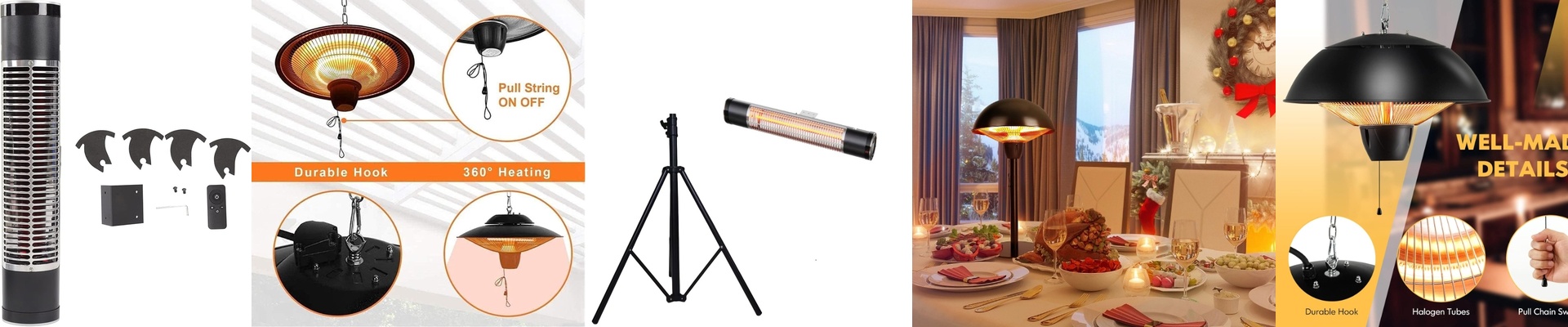
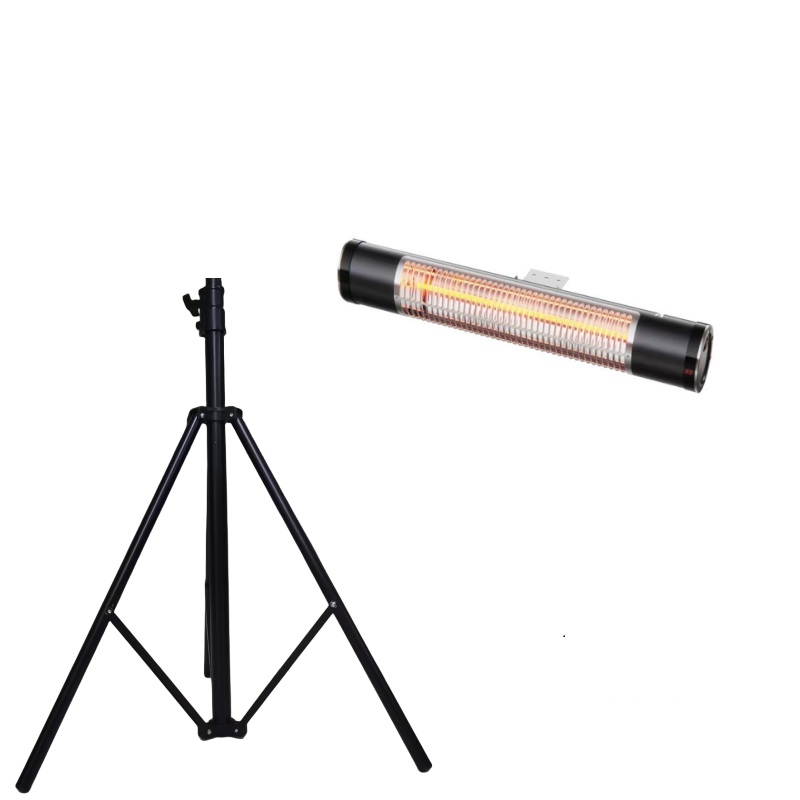
Electric shoe dryers aren’t just fancy heaters. They’re built for one job: pulling moisture out of footwear fast. They use a mix of warm air and gentle radiant heat to speed up evaporation, and they do it without wrecking the materials. On the production floor, that means your shoes dry quickly, and the whole space stays cleaner.
Getting the power right
We set these units up to run on the same power your plant already uses—usually 220V or 240V. The wattage is matched to the airflow and temperature needed, so the dryer delivers steady heat. The internal heating elements are sized to keep output stable, and the footprint is compact enough to slip into tight drying stations or right along a conveyor line. You get consistent performance, no surprises. Just know this: because it draws serious power, it needs its own dedicated circuit.
Built to take the beating
The heating core uses a tough halogen or quartz element, and it’s coated to handle heat shock and harsh chemicals. That coating stops hot spots and helps the element last, even when you’re running it day after day. The connectors are industrial-grade, too. They’re made for real-world conditions—vibration, frequent maintenance, the whole nine yards—so once you wire it up, you can count on a solid connection.
Where it shines, and what to keep in mind
Electric shoe dryers really earn their keep wherever wet shoes slow people down or create safety risks. They dry fast, and the temperature stays under control, so the materials hold up. They’re built for continuous use, which is great, but that does mean you get some heat density. Plan for enough airflow and proper heat management to keep the surrounding area safe and comfortable.