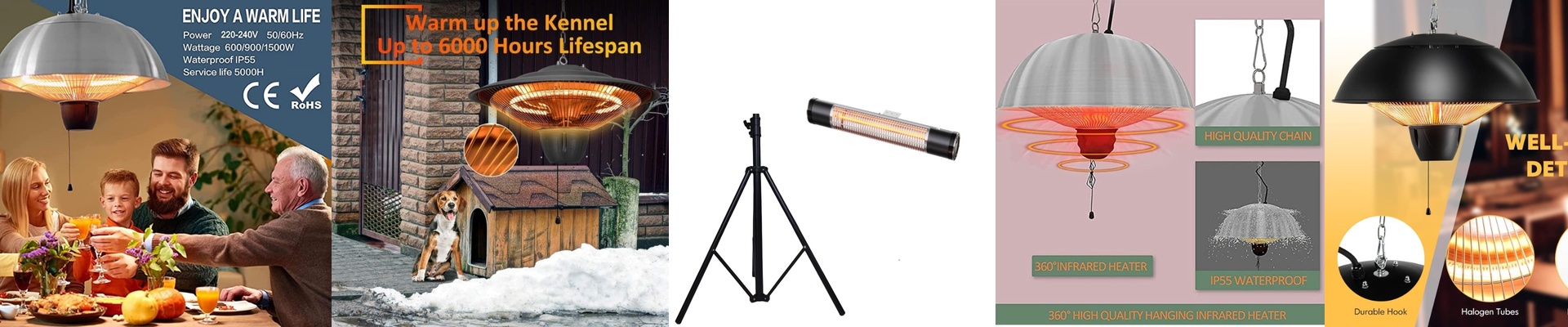
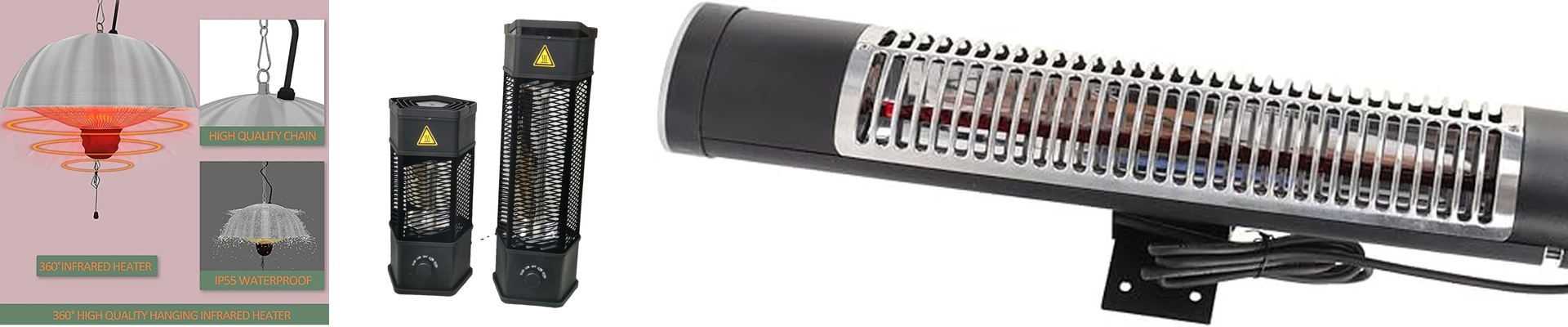
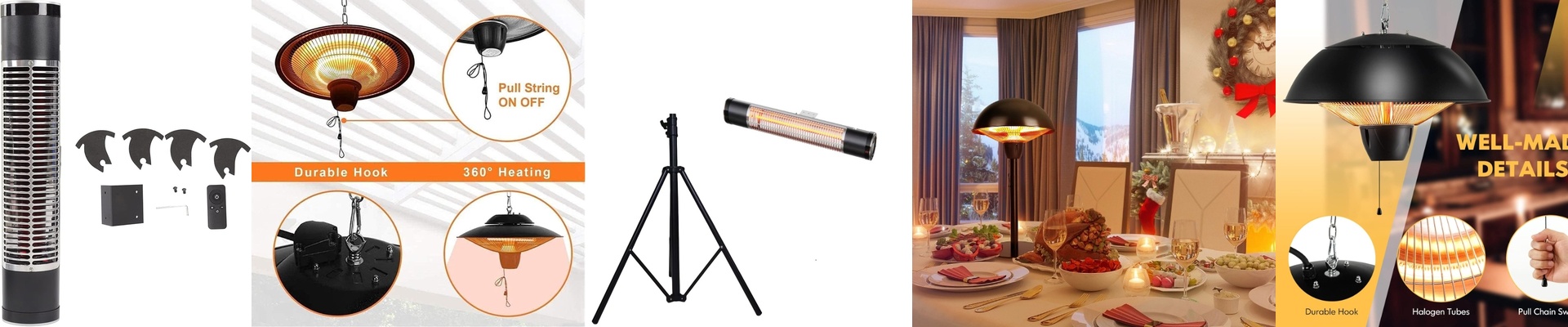
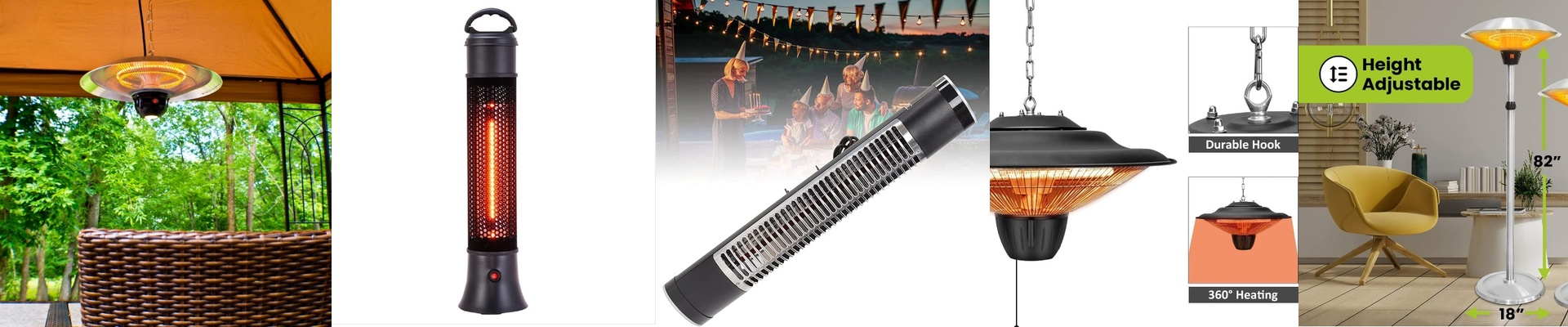
Cold hits fast—whether you’re pouring a sunrise espresso at a corner café or waiting on a late-night platform. Hands stiffen, service slows, and people just stop moving when the heat can’t keep up. Drafty entries, open waiting halls, and those indoor-outdoor transitions make conventional heating a slow, expensive mess. Infrared electric heaters cut through that by delivering warmth you feel the second you step into range. What matters under the hood We build these around quartz tube elements that throw radiant heat straight onto people and surfaces, not the air. That means immediate comfort, not a long slog waiting for a room to warm up. Match the power to the space and traffic with 1.5 kW to 3.0 kW options, and pick 120 V or 240 V models with standard NEMA plugs for straightforward plug-and-play. A built-in thermostat keeps things steady, while tip-over protection and an overheat cutoff keep operation safe. For exposed spots, look for IP34 or higher to keep splashing water and dust out. Here’s why this works in the real world. Coffee shops, train stations, and transit hubs need heat that shows up fast and stays consistent. Infrared warmth targets patrons and staff where they actually stand, so lines move, seats stay filled, and staff can work without freezing. Because the heat is directed, you’re not wasting energy trying to warm ceiling air that just drifts out through doorways and high roofs. The upshot is lower operating cost, fewer drafts, and a more comfortable experience for everyone passing through. Placement makes all the difference. Mount heaters 6–8 feet high, about 6–12 feet from occupants for even coverage, and keep them out of direct line-of-sight to eyes. Maintain clearance from combustibles and fabrics, and always check local codes for commercial installations. Even with an IP rating, in very wet weather, position heaters so the element stays shielded from driving rain. For best performance, pair with an outdoor-rated thermostat and a dedicated circuit to keep everything stable.
寒さは速く襲う。角のカフェで日の出のエスプレッソを淹れている時も、夜遅くのプラットフォームで待っている時も同様だ。手はこわばり、サービスは遅れ、暖房が追いつかないと人は動きを止めてしまう。隙間風のある入口、開放的な待合ホール、屋内外の移行部は、従来の暖房では時間がかかりコストも嵩む問題を引き起こす。赤外線電気ヒーターは、その問題を解消し、範囲内に入った瞬間に感じる暖かさを提供する。
内部構造のポイント
これらは、空気ではなく人や物体に直接放射熱を放つ石英管ヒーター素子を中心に設計している。つまり、部屋全体が温まるのを長時間待つ必要がなく、即座に快適さを得られる。出力は1.5 kWから3.0 kWまで用意し、設置場所の広さや人の流れに合わせて選択可能。120 Vまたは240 Vのモデルには標準のNEMAプラグを採用し、簡単なプラグアンドプレイを実現している。内蔵サーモスタットによって温度を安定させ、転倒時の安全装置や過熱遮断機能で安全な運転を確保。露出した場所にはIP34以上の防水・防塵性能を備えたモデルを推奨する。
実際の使用環境での効果
コーヒーショップや駅、交通ハブは、素早く安定した暖房を必要とする。赤外線暖房は実際に人が立つ場所を狙って熱を届けるため、列はスムーズに動き、座席も埋まり、スタッフは寒さに凍えることなく作業可能だ。熱が指向性をもつため、ドアや高い屋根から逃げてしまう天井付近の空気を温めるための無駄なエネルギーを使わない。結果として、運転コストは抑えられ、隙間風も減り、通行するすべての人にとって快適な環境となる。
設置が重要なポイント
ヒーターは地上6〜8フィートの高さに設置し、使用者から約6〜12フィート離して均等な暖房範囲を確保する。目に直接熱源が入らないように設置し、可燃物や布製品との間隔を十分に取ること。商業施設での設置の場合は、必ず地域の法規を確認すること。IP等級があっても、非常に雨の強い場合は素子が直接雨にさらされないように配置する。最適な性能を得るには、屋外対応のサーモスタットと専用回路を組み合わせて、安定した運転を維持することが望ましい。