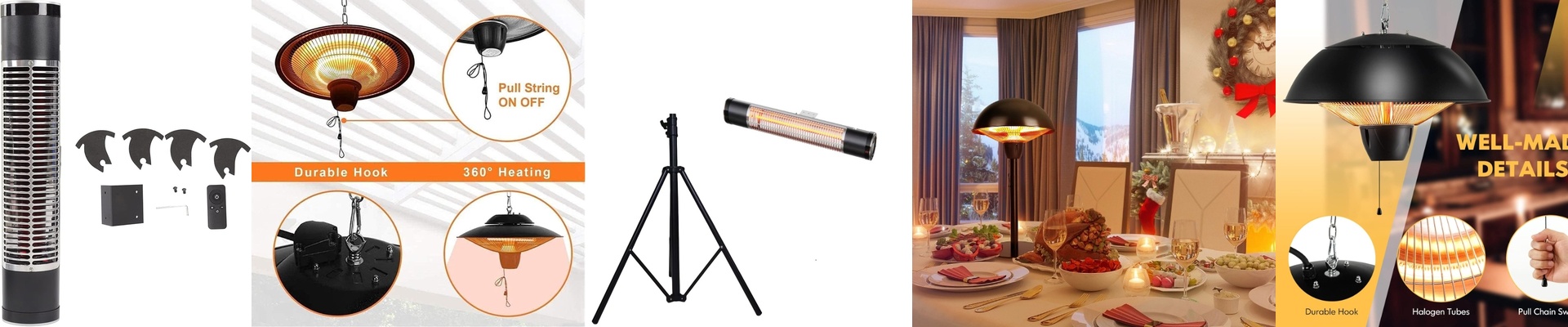

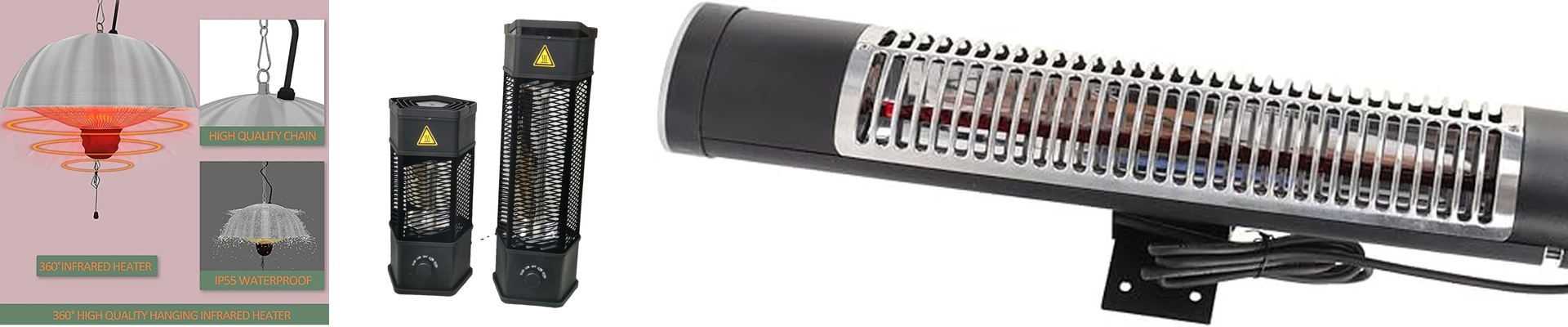
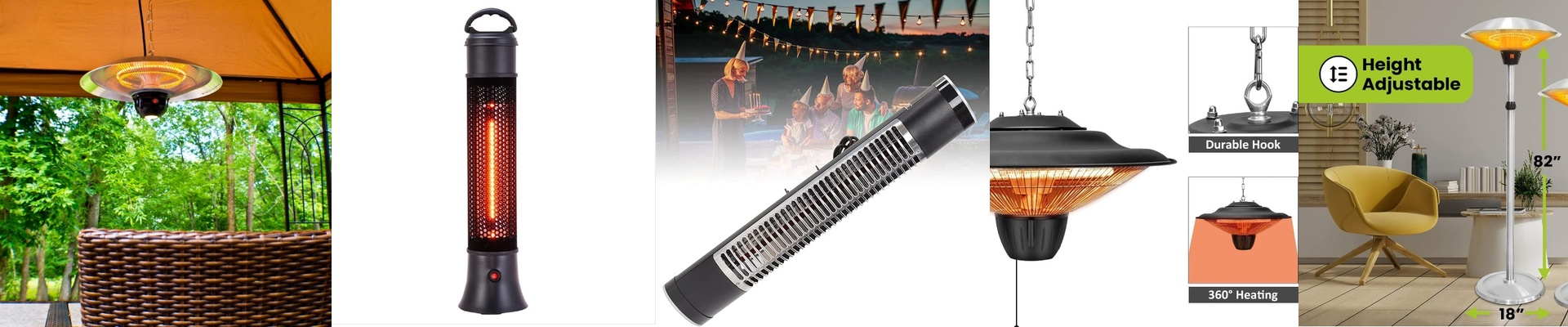
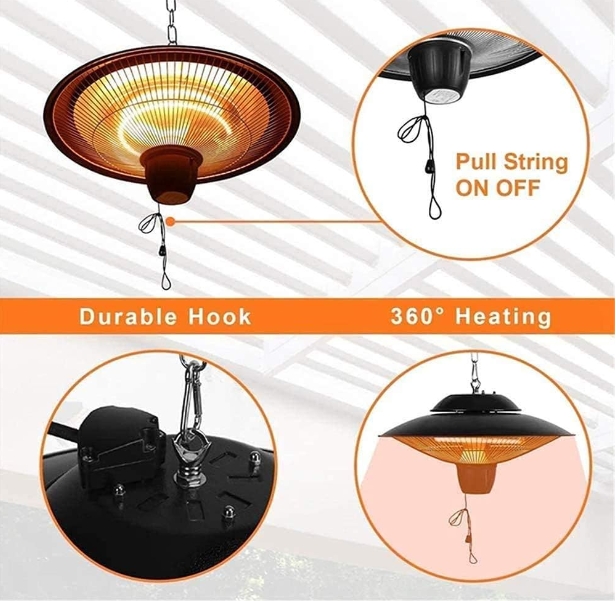
Winter has a way of quieting the evening—and turning your hands and feet into ice. When the air sits still and drafts hang around, a conventional heater leaves you waiting for warmth that never really arrives. That’s where a mantle fireplace heater changes the feel of the room: it puts out infrared radiant heat that warms people and objects directly, not just the air. What matters under the hood A mantle fireplace heater is built around radiant technology, usually with a quartz tube or a carbon fiber element to generate infrared warmth. The heat travels outward fast, hitting your skin and clothing the moment it reaches you. You feel it almost immediately, without waiting for the room air to cycle. Most units run on standard household circuits—often 120V—and many include an adjustable thermostat so you can hold a steady comfort level. Safety is practical, not a sales pitch: look for tip-over protection, overheat protection, and a housing that stays cool to the touch. Why this works where you need it Cold hands and feet are often your body’s way of conserving core heat, which dials down circulation in the extremities. Infrared radiant warmth helps by gently heating the skin’s surface, encouraging local blood flow and supporting microcirculation. The heat is even and steady, without the blast of hot air that leaves you feeling dry. In a living room or a covered outdoor sitting area, a mantle fireplace heater turns a cold, still night into a spot where you can read, talk, or just relax—without constantly rubbing your fingers together. Here’s the thing about infrared: it heats surfaces directly, so the warmth is strongest within its line of sight. Put the heater where you spend most of your time, and you’ll feel the payoff right away. If the unit will live in damp or covered outdoor spaces, check the IP rating—moisture protection matters. Keep it clear of furniture and drapes, and use it as a targeted comfort solution, not a full-house heater.